
















































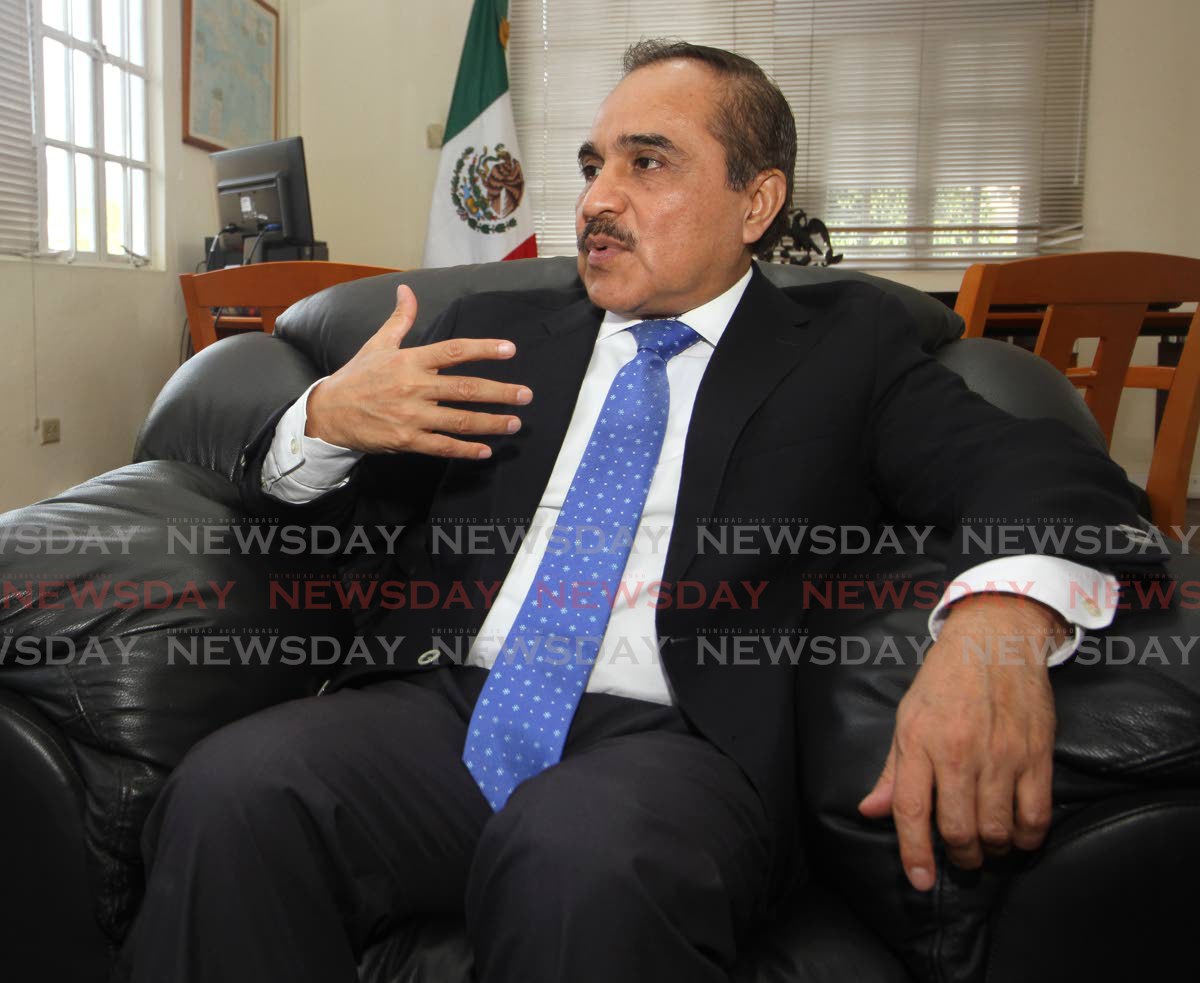
Mexican Ambassador Víctor Hugo Morales Meléndez has emphasized the significance of artificial intelligence (AI) in navigating the complex geopolitical landscape influencing the Caribbean, particularly amid rising tensions between the United States and Venezuela. In a letter to the editor, the ambassador underscored that Caribbean nations, including Trinidad and Tobago (TT), must enhance their diplomatic agility to safeguard economic and political interests.
As regional dynamics evolve, AI is increasingly becoming an essential tool for diplomats. Morales Meléndez noted that during his tenure, Mexico has fostered connections with Caribbean states through various initiatives, including trade facilitation and cultural diplomacy. This strategy aligns with Mexico’s broader vision for regional partnership, offering TT opportunities for economic diversification and knowledge exchange.
In parallel, Panama, led by ambassador Diomedes Carles, enhances regional engagement through its logistical and aviation capabilities. The expansion of Copa Airlines in TT exemplifies this connection, facilitating greater participation in discussions on pressing issues such as security, migration, and climate adaptation.
Amid these geopolitical shifts, the role of AI cannot be understated. The technology aids in analyzing cross-border energy flows, identifying potential economic disruptions, and monitoring migration pressures related to regional instability. AI-driven insights are becoming vital for diplomats facing uncertainties stemming from US-Venezuela tensions.
AI is also reshaping economic diplomacy. Tools that provide market analytics, supply-chain monitoring, and investment trend forecasting allow smaller economies to pinpoint sectors where they can competitively thrive. As Mexico invests in nearshoring and regional integration, TT has a unique opportunity to utilize AI to attract investments and engage in emerging manufacturing and services networks.
Furthermore, AI is revolutionizing consular services. Through faster visa processing and automated document verification, embassies can better serve citizens, particularly during times of geopolitical strain. These advancements help maintain regional stability while ensuring that citizens receive the support they need.
However, Morales Meléndez cautioned that while technology enhances decision-making capabilities, the essence of diplomacy remains inherently human, demanding judgment, negotiation skills, and cultural understanding. He called on the next generation of Caribbean diplomats and business leaders to prepare for a future where geopolitics, economics, and technology intersect.
By effectively harnessing AI, TT can deepen ties with strategic partners like Mexico and Panama. This approach will enable the nation to navigate regional volatility with both vision and prudence. As geopolitical landscapes shift and technology advances, the diplomatic playbook for the Caribbean is being rewritten. Those who combine analytical rigor with cultural intelligence will be poised to influence the region’s trajectory in an increasingly complex world.
The evolving role of AI in diplomacy signifies a crucial turning point for Caribbean nations. As they adapt to these changes, the emphasis on strategic foresight and collaboration will be essential in securing a stable and prosperous future.
See also Sankei Shimbun Demands Immediate Action Against Perplexity for Copyright Violations
 Global AI Growth: Why Ignoring Emerging Markets Risks Your Competitive Edge
 Sam Altman Declares Code Red as OpenAI Halts Projects to Revamp ChatGPT Quality
 APSU Unveils AI Prompts to Maximize Holiday Budgets, Enhancing Gift-Giving Strategies
 Runway Launches Gen 4.5 Video Model, Outshining Veo 3 and Sora 2 Pro in Tests