





















AI Takes a Role in HR Decisions
As organizations increasingly adopt artificial intelligence (AI) tools to streamline human resources (HR) functions, the implications for employee evaluations, promotions, and even terminations are significant. A recent study by ResumeBuilder highlights that over 60% of managers are employing AI agents, such as ChatGPT and Google Gemini, to aid in crucial decisions regarding their workforce. This shift points to a growing reliance on technology to manage one of the most delicate relationships within the workplace: that between employers and employees.
The increasing automation of HR processes raises questions about the human element traditionally associated with performance reviews and other sensitive evaluations. Industry reports suggest that the appropriate deployment of AI can lead to enhanced efficiency, potentially offering time savings of up to 25%. However, a concerning trend emerges: only one-third of managers using AI have received formal training in these technologies, with about 20% allowing AI systems to make decisions without any human oversight.
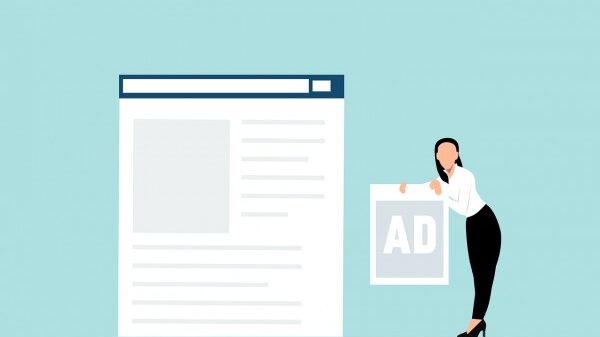
The consequences of such reliance on AI could be dire. A scenario in which an employee’s job is terminated solely based on an AI-driven decision raises substantial legal risks. Experts predict a surge in lawsuits if companies continue to delegate sensitive HR functions to AI without human intervention. Some legal analysts foresee law firms specializing in these cases, with advertisements targeting employees who may feel wronged by automated decisions.
Despite the potential pitfalls, numerous organizations are racing to integrate AI into their HR departments. This trend is particularly pronounced among both large corporations and smaller firms eager to leverage cutting-edge solutions. However, the removal of the human touch in HR could lead to mistakes that might not only affect individual employees but could also tarnish corporate reputations and complicate workplace dynamics.
For those concerned about job security in an increasingly automated world, a list of roles deemed irreplaceable by AI has surfaced. According to the US Career Institute, certain professions, such as healthcare providers and artists, are less likely to be affected by AI advancements. These roles require creativity, empathy, and human interaction—qualities that AI has yet to replicate fully.
As AI continues to evolve, the conversation surrounding its application in HR will only intensify. Stakeholders must grapple with the balance between efficiency and the essential human element that defines effective HR practices. The development and implementation of guidelines for AI usage in HR may become critical as organizations navigate this complex landscape.
For more on the implications of AI in HR, visit Seattle Times and explore the ongoing discussions about technology’s evolving role in the workplace.
See also Nvidia GB10 System Automates Reporting, Reducing Staffing Needs by Over 99%
 OneStream’s IDC Leadership Nod Reinforces AI Finance Edge Amid Deal Risks
 Midjourney Surpasses 19.83M Users, Generates $500M Revenue in 2025
 Qualcomm Unveils 2nm Chip Design, Boosting Edge AI Performance and Efficiency
 Singapore’s Shery Chan Transforms from Product Designer to AI Strategy Director at Standard Chartered