




























In a pioneering approach to branded merchandise, Julia Saxon, creative director at BeeGraphix, effectively harnessed the power of artificial intelligence to bring the vision of the Branding Together podcast to life. The initiative aimed to encapsulate themes of collaboration and creativity through a collection of merch that visually represented the synergy between the print and promotional industries. By integrating tools like ChatGPT and Midjourney with traditional design software, Saxon was able to streamline the design process and align visuals with the core values of the podcast.
Saxon began by inputting the full project scope into ChatGPT, which generated a structured creative roadmap. Among the three concepts proposed, “Sound Waves of Collaboration” resonated deeply, drawing a vivid parallel between the podcast’s auditory energy and the visual dynamics of the print industry. This concept laid the groundwork for what would become a cohesive and expressive line of branded merchandise.
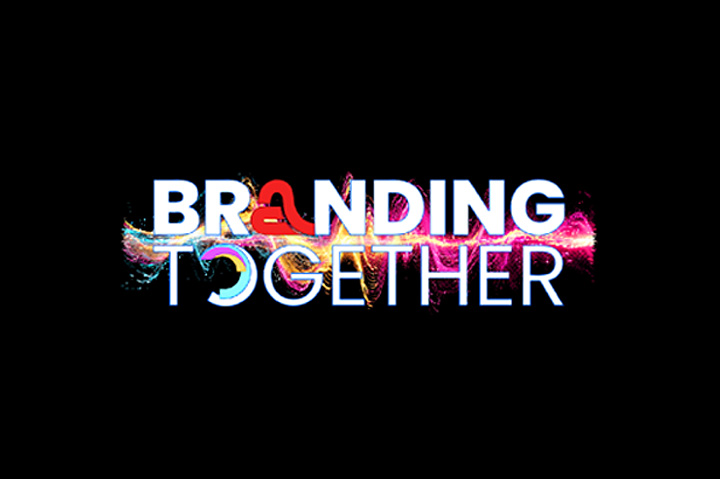
To develop the visual foundation, Saxon utilized Midjourney, employing a detailed prompt crafted in ChatGPT that specified characteristics of CMYK sound waves. After multiple iterations, she produced an image that encapsulated the desired aesthetic: glowing CMYK patterns on a dark background, embodying both modernity and vitality. This image was then upscaled using Topaz Gigapixel AI to ensure production readiness before being refined in Photoshop. Saxon lightened the print weight by halftoning the image, making it suitable for dark garments.
Color flexibility allowed Saxon to creatively reinterpret the Branding Together logo. She inverted its colors, maintaining a red “a” to connect with the ASI logo, while also reworking the PRINTING United Alliance logo for contrast. Adding a glowing 3-D effect completed the visual cohesion, resulting in a design that effectively bridged the distinct identities of the brands involved.
The project culminated in a collection that featured three distinct designs. The first, titled “The Pulse of Collaboration,” embodied energy through neon CMYK sound waves, accompanied by the glowing logo. This dynamic visual expressed the essence of the Branding Together initiative—creativity amplified through partnership.
The second design offered a playful remix of the initial concept, characterized by bold graphics that could stand alone yet resonated with the overarching brand narrative. This design was ultimately printed onto hoodies, establishing a tangible connection between the digital design process and physical apparel.
The third design focused on unity by merging both the ASI and PRINTING United Alliance logos into a single iconic mark, while retaining the CMYK theme. Although initial attempts using Google Gemini’s Nano Banana did not yield the desired results, Saxon pivoted to CorelDRAW to refine the design. The final product not only represented a fusion of identities but was also upscaled for print, resulting in a chenille-style icon that visually stitched together the print and promotional realms.
Seeing these designs transition from digital platforms to physical garments provided Saxon with a gratifying experience. The interplay of textures, colors, and glowing elements manifested the collaborative spirit that the Branding Together podcast aimed to promote. The project not only showcased the potential of AI tools in the design process but also illustrated how shared creative efforts can lead to cohesive branded merchandise that tells a unified story.
See also SentinelOne Acquires Observo AI for $225M to Enhance AI Security Platform
 India AI Impact Summit 2026: Global Tech Leaders Unite for AI Innovation and Growth
 OpenAI and Anthropic Secure $20B in Historic Funding Round with Shared Investors
 Global Tech Titans Including Sundar Pichai and Sam Altman Convene at India’s AI Impact Summit, Feb 16-20.
 Moltbook Exposed: AI Consciousness Claims Unraveled as Human Roleplay Behind Viral Posts