













































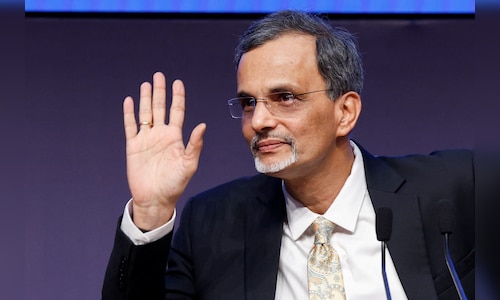
V Anantha Nageswaran, Chief Economic Adviser (CEA) of India, addressed the ongoing impact of artificial intelligence (AI) on the labour market, stating that both India and the global economy are still navigating this transformative phase. Speaking on February 2, he emphasized that the nation’s economic trajectory remains stable, attributing this resilience to a two-pronged governmental strategy: skilling the workforce to collaborate with AI and fostering job creation in sectors less susceptible to AI disruption, such as allied healthcare, tourism, and the orange economy.
During his remarks, Nageswaran also highlighted the disconnect between stable macroeconomic indicators and underperforming markets. He noted that factors such as foreign institutional investor (FII) outflows, uncertainties surrounding tariffs with the United States, and a lack of AI-related investment opportunities in Indian equities have contributed to this trend. “Over time, this divergence will close as markets recognize that the India story remains intact,” he asserted.
Nageswaran characterized the current global landscape as a transitional period, an “interregnum” between established and emerging world orders. He warned that uncertainties are likely to persist beyond 2026 and emphasized that the Indian Budget is designed to prepare the nation for these shifts. Key initiatives include promoting indigenisation, ensuring self-sufficiency in critical sectors like medicines and chemicals, and providing incentives for nuclear power generation and the development of rare earth corridors.
On the topic of corporate investment, Nageswaran pointed out that incentives alone are insufficient to spur private capital expenditure. “Corporates invest based on demand,” he explained, stressing that reduced input costs and long-term competitiveness are crucial. While the government has offered direct tax relief and indirect incentives, investment decisions ultimately hinge on market conditions and profitability.
India’s manufacturing sector, currently accounting for 17% of GDP, aims to reach a target of 25%. Nageswaran mentioned various measures to enhance competitiveness, including exemptions on customs duties, high-speed rail corridors, and electronics missions. He noted that India is performing relatively better than other Southeast Asian nations facing similar economic pressures.
Addressing wage growth, the CEA indicated that recent labour code notifications aim to ensure a fairer distribution of earnings, which he believes will contribute to consumption growth. He observed that changing work preferences, including flexible hours and entrepreneurial opportunities, are influencing household incomes positively.
Nageswaran also introduced the concept of an entrepreneurial state, asserting that the government is adopting a deregulated and long-term strategic planning approach reminiscent of the policies that propelled India’s software sector growth in the 1980s. He pointed to budget initiatives such as AI data centre incentives, semiconductor missions, and high-speed corridor projects as reflections of this strategy.
Lastly, he addressed concerns regarding the migration of high-net-worth individuals abroad, suggesting that this trend is not likely to be permanent. “Relative to wealth creation in India, outflows are temporary. Over time, growth will attract investments back,” he stated. Nageswaran maintained the GDP growth forecast for India at 6.8–7.2%, noting that a quicker resolution of tariff issues could enhance the upside potential for the economy.
See also Google’s Project Genie Sparks Mixed Reactions: Analysts Downplay AI Disruption in Gaming
 AMD Surges 107.1% as AI Demand Grows; Targets $9.6B Q4 Revenue
 GHC-SCW Launches World’s First Epic AI Charting Tool, Reducing Clinician Burnout by 60 Minutes Daily
 Google’s Project Genie Launch Triggers Stock Plunge in Major Game Developers
 Virginia Beach Mom Sues Character.AI, Claims Son Harmed by Chatbot Sexting with Celebrities