























































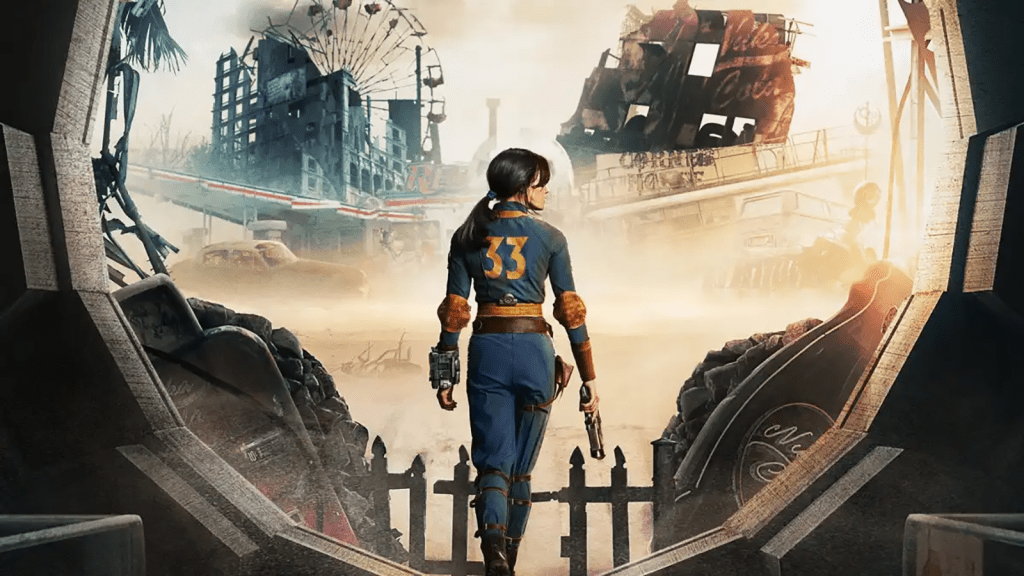
Amazon’s use of artificial intelligence to generate recap videos for its shows has come under fire following a significant error in a recap for the highly anticipated “Fallout” TV series. The recap mistakenly stated that the Great War, a pivotal event in the series’ lore, occurred in the 1950s, when in fact it takes place in 2077. This misrepresentation was first highlighted by Games Radar and has since led to the removal of the erroneous recap from Amazon Prime Video.
The incident underscores the potential pitfalls of relying on AI technologies without adequate oversight, particularly for a company that has invested heavily—reportedly over $100 million per season—into its original programming. Recap videos, akin to “previously on” segments familiar to many viewers, are designed to enhance the viewing experience by summarizing prior events, and are especially useful when there is a significant gap between seasons.
However, Amazon opted for an automated approach, utilizing AI to compile clips and generate voice-overs for these recaps. The fallout (no pun intended) from this decision became clear when viewers noticed the glaring historical inaccuracy regarding the timeline of events in the “Fallout” universe. The mishap not only misrepresented the show’s narrative but also raised concerns about the accuracy of similar AI-generated content across other series, including “Tom Clancy’s Jack Ryan,” which were also taken down after being flagged.
The aesthetic and thematic design of the “Fallout” series draws heavily from 1950s and 1960s American culture, yet its narrative extends far into the future, exploring themes of unchecked corporate power and technological advancement amid societal collapse. The distinction between the 1950s setting and the actual timeline of the Great War is not merely trivial; it is central to the identity of the “Fallout” series. Such nuances are often lost on large language models, highlighting a significant limitation in the technology’s ability to interpret context accurately.
This is not the first time Amazon has faced backlash due to AI-generated content on its platform. Recently, the company retracted AI-generated audio tracks in both English and Spanish from several anime series after complaints from viewers who criticized the “performances” of the synthetic voices. Clips circulated online demonstrated how these AI-generated audio tracks fell short of the quality expected by fans, leading to calls for better oversight in the creation of such content.
Amazon’s ongoing challenges with AI-generated materials raise broader questions about the implications of relying on automated systems in creative industries. As technology continues to evolve at a rapid pace, companies must weigh the benefits of efficiency against the potential risks to brand credibility and audience trust. In a market where premium content commands high production values, the stakes are especially high.
As Amazon navigates these challenges, it remains to be seen whether the company will reassess its reliance on AI for content creation or introduce more rigorous quality control measures. The fallout from this latest incident may serve as a cautionary tale for not only Amazon but also for other companies exploring similar technological solutions in their content production.
See also AI Pioneer Fei-Fei Li Prioritizes Skills Over Degrees, Shaping Tech Talent Acquisition
 Wall St Plunges as Treasury Yields Rise, Broadcom Warns of AI Margin Risks
 Disney Licenses 200+ Characters to OpenAI, Invests $1 Billion in AI Video App Sora
 Silicon Valley Summit Spotlights Humanoid Robots Amid High Skepticism and Global Competition
 Hitachi’s ITxOT and AI Strategy Reshapes Investment Outlook Amid Rising Costs