











































In a rapidly evolving landscape, AI startups are grappling with both the promise and pitfalls of their technologies. A founder at one such company recently lamented the “slop in the air,” a term that captures both the prevalence of low-quality digital content generated by artificial intelligence and the challenges in effectively marketing sophisticated AI systems to advisory firms that may lack a deep understanding of the technology. This disconnect is not entirely surprising, given the advisors’ focus on serving their clients using established tech stacks, which often involve lengthy contracts that hinder their ability to adopt new solutions.
The pace of innovation in AI is staggering, outstripping even those working in the field. The conversation has shifted from generative AI products to what many are now calling agentic AI, a term that has gained traction since 2024 in the advisory tech sector. The optimistic vision is that advisory firms will soon have a virtual, fully digital workforce capable of handling mundane tasks. This would allow advisors—both seasoned and new—to concentrate on relationships with clients and organic growth.
Yet, the specifics of agentic AI’s architecture remain murky. Freedom Dumlao, Chief Technology Officer at Vestmark, provides a clear framework for understanding agents. He describes an agent as a system that continuously performs four key functions: sensing, thinking, acting, and remembering. “Sense” refers to the agent’s ability to perceive its surroundings and the tools at its disposal, while “think” captures its capacity for autonomous reasoning based on its goals and the current state of the world. The “act” function involves executing tasks that produce observable outcomes, and “remember” signifies the retention of information across interactions to enhance future performance. Dumlao cautions that if a system can perform only two or three of these functions, it should not be labeled an agent, as this may lead to unmet expectations.
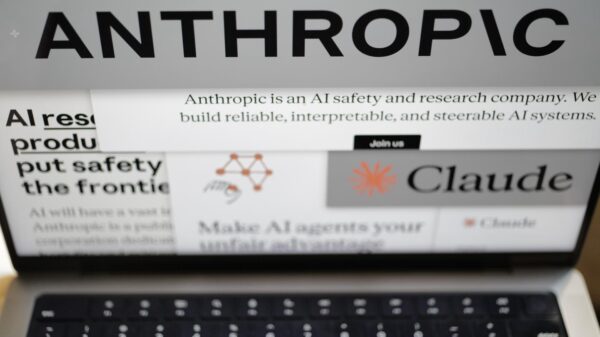
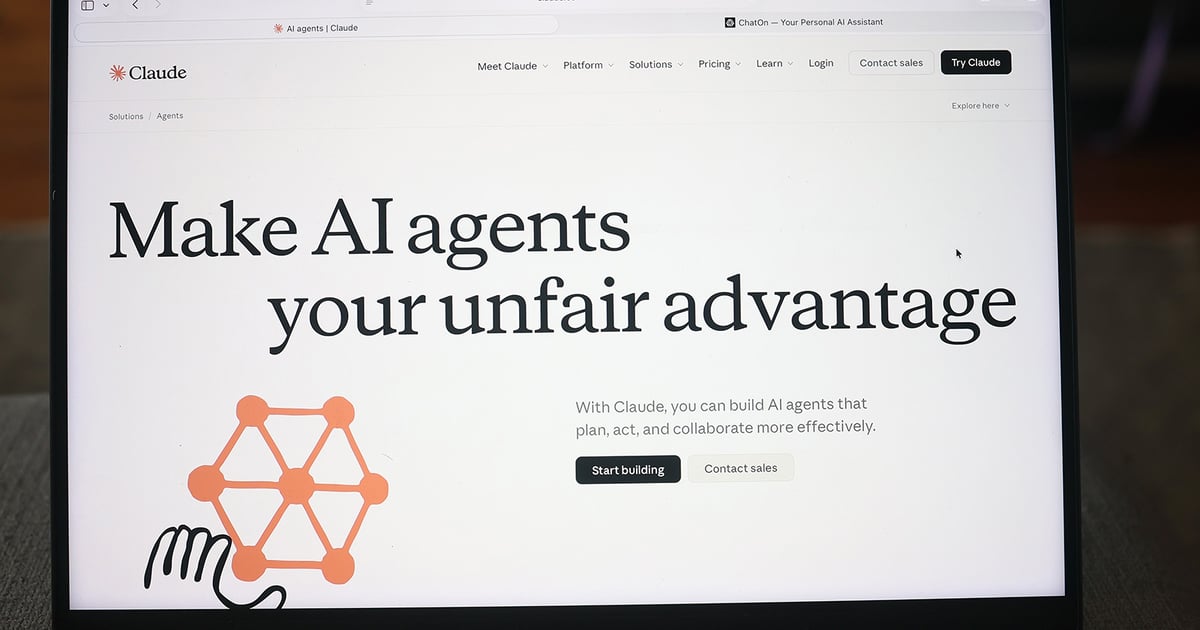
Amid this backdrop, **Anthropic**, a relatively young player in the AI industry, has made significant strides. Recently, the company secured a $30 billion Series G funding round, reaching a post-raise valuation of **$380 billion**, bringing its total funding to nearly **$64 billion**. The announcement of **Claude CoWork plug-ins**, tailored for wealth management, has sent ripples across the financial services sector. These plug-ins promise to automate portfolio and tax analysis, make rebalancing recommendations, and execute rebalances at scale, potentially disrupting a burgeoning ecosystem of developers customizing AI solutions for advisory firms.
Anthropic’s emergence as a major player underscores the fierce competition among AI companies, particularly as this week’s developments may provoke similar offerings from other industry giants, such as **OpenAI** and **Google DeepMind**. However, the innovation landscape is also vibrant among smaller, RIA-driven startups focused on agentic AI solutions. In an upcoming column, insights gathered from numerous co-founders and developers in this space will be shared, highlighting the challenges and opportunities they face.
Mike Shannon, co-founder and CEO of **Impruve**, offers a practical perspective on the integration of AI within advisory firms. His company has been working with advisory firms to leverage **Claude** and its associated tools well before Anthropic’s recent announcements. Impruve’s approach involves a consultative process that identifies data or process gaps that can provide immediate benefits and improve return on investment. “It’s why we think we have something with our Impruve Approach, our hybrid model where we begin with a consultative approach and identify the data or process gaps that will most immediately benefit the firm or improve ROI,” Shannon noted. His firm aims to help advisory groups realize their first valuable AI workflows within just 30 days.
As AI continues to reshape the advisory landscape, the challenge will be ensuring that firms are not only equipped with the right technological tools but also supported by a deep understanding of their potential. The future of advisory services may hinge on the ability to effectively integrate these advanced AI systems into existing frameworks, allowing for enhanced client interactions and growth strategies.
See also Germany”s National Team Prepares for World Cup Qualifiers with Disco Atmosphere
 95% of AI Projects Fail in Companies According to MIT
 AI in Food & Beverages Market to Surge from $11.08B to $263.80B by 2032
 Satya Nadella Supports OpenAI’s $100B Revenue Goal, Highlights AI Funding Needs
 Wall Street Recovers from Early Loss as Nvidia Surges 1.8% Amid Market Volatility