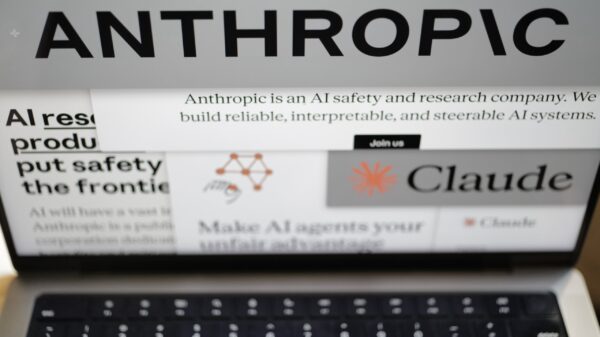













































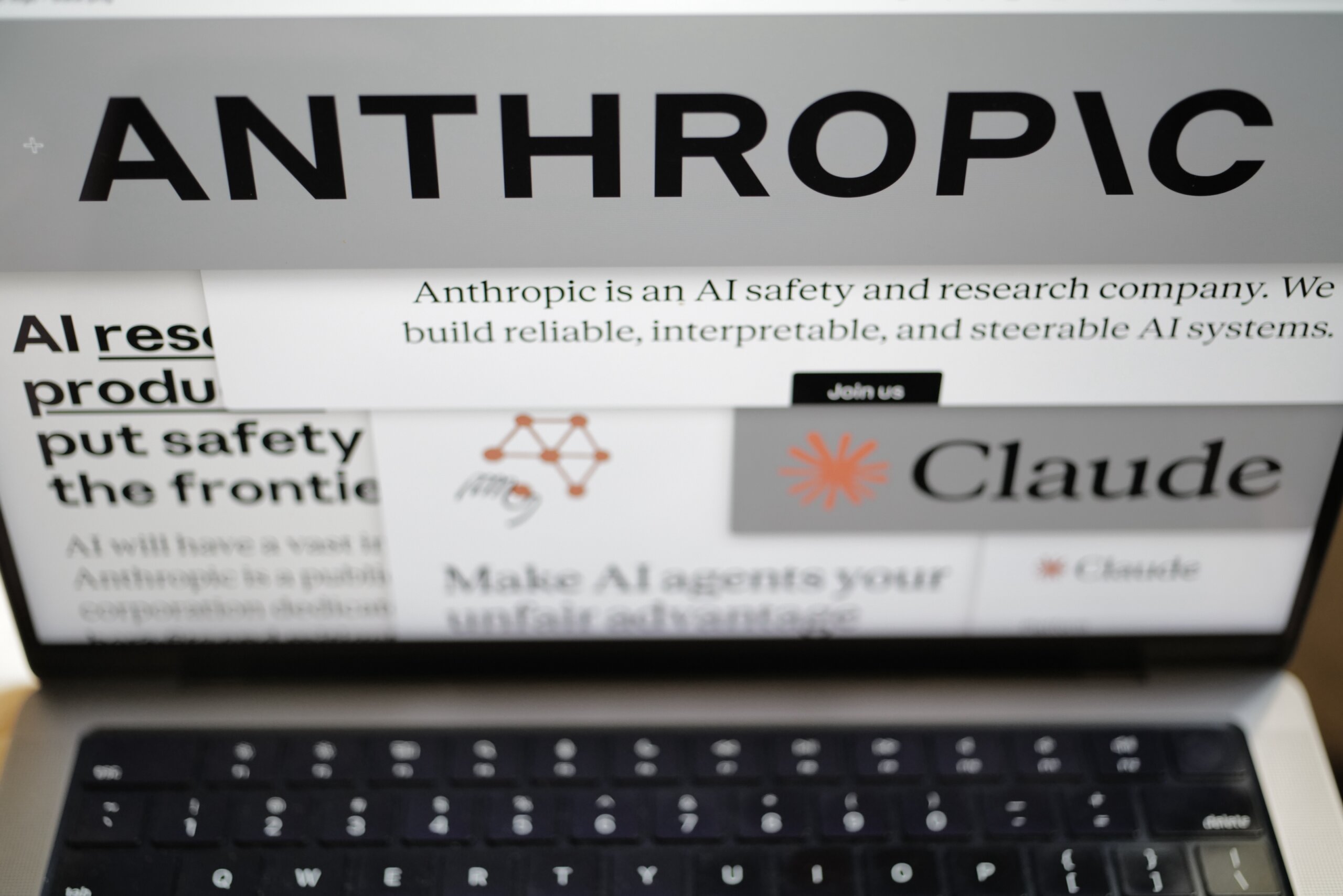
SAN FRANCISCO (AP) — Artificial intelligence company Anthropic is seeking a federal court’s intervention to temporarily halt the Pentagon’s designation of the firm as a “supply chain risk.” The hearing, scheduled for Tuesday in a California federal court, is a pivotal moment in the ongoing dispute between Anthropic and the Trump administration regarding the potential military applications of its AI technology.
Earlier this month, Anthropic filed a lawsuit to block what it describes as an “unlawful campaign of retaliation” from the Trump administration, following its refusal to permit unrestricted military use of its AI tools. The company argues that the Pentagon’s designation is not only unprecedented but also stigmatizing, posing significant risks to its reputation and business.
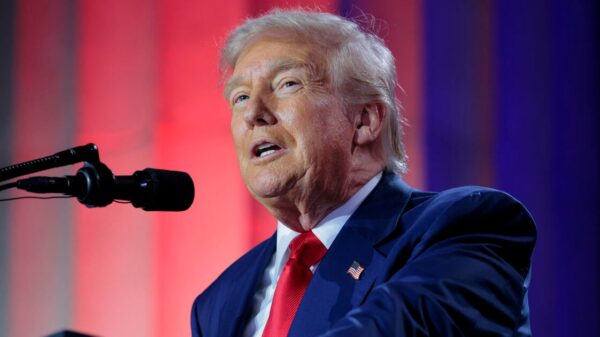
In its legal action, Anthropic is requesting an emergency order from U.S. District Judge Rita Lin that would temporarily reverse the Pentagon’s decision. The company is also asking the court to invalidate an order from President Donald Trump that directs all federal employees, including those outside the military, to cease using its AI chatbot, Claude.
Judge Lin has posed several questions to both parties ahead of the hearing, including inquiries about inconsistencies between Defense Secretary Pete Hegseth’s formal directive labeling Anthropic as a potential threat to national security and his statements on social media regarding the issue. This scrutiny underscores the complexities and implications of the case, not only for Anthropic but also for broader discussions surrounding AI technology and its applications in national defense.
The company has also initiated a separate, more focused case in the federal appeals court in Washington, D.C., amplifying its legal strategy to counter the Pentagon’s actions. Anthropic’s legal maneuvers come amid increasing scrutiny of the role of AI technologies in military contexts, a topic that has sparked debate among lawmakers, technologists, and the public.
As AI technologies evolve, the boundaries of their applications in national security are becoming increasingly blurred. Anthropic’s case highlights ongoing tensions between innovation and regulation, particularly concerning technologies that could alter the landscape of warfare. The outcome of this hearing could set a precedent affecting not only Anthropic but also other AI firms navigating similar challenges.
The legal battle reflects a growing apprehension about the implications of AI in military contexts, as stakeholders grapple with varying perspectives on ethical use, accountability, and technological stewardship. As the hearing unfolds, the discussions may influence future regulatory frameworks governing the intersection of AI technology and national security.
With the stakes high for both Anthropic and the broader AI industry, the developments in this case could shape the discourse around technological innovation and its governance in a rapidly evolving landscape. The implications of the court’s ruling may resonate beyond the confines of this particular lawsuit, impacting future interactions between tech companies and government entities as they navigate the complex terrain of AI deployment.
See also Germany”s National Team Prepares for World Cup Qualifiers with Disco Atmosphere
 95% of AI Projects Fail in Companies According to MIT
 AI in Food & Beverages Market to Surge from $11.08B to $263.80B by 2032
 Satya Nadella Supports OpenAI’s $100B Revenue Goal, Highlights AI Funding Needs
 Wall Street Recovers from Early Loss as Nvidia Surges 1.8% Amid Market Volatility