
















































Anthropic is partnering with the US Department of Energy (DOE) as part of the Genesis Mission to advance scientific discovery through artificial intelligence. This collaboration, which spans several years, will concentrate on enhancing energy production, biological sciences, and overall scientific productivity across all seventeen national laboratories. Anthropic will provide access to its AI model, Claude, along with a dedicated team of engineers, to expedite research cycles while leveraging fifty years of DOE data.
The Genesis Mission aims to strengthen American scientific leadership by focusing on critical areas such as energy dominance and life sciences. Anthropic’s contribution includes not just access to Claude, but also the development of specialized tools designed to address high-priority challenges within the DOE framework. These tools will consist of AI agents aimed at solving complex problems, Model Context Protocol servers to integrate Claude with scientific instruments, and tailored “Skills” for efficiently navigating scientific workflows.
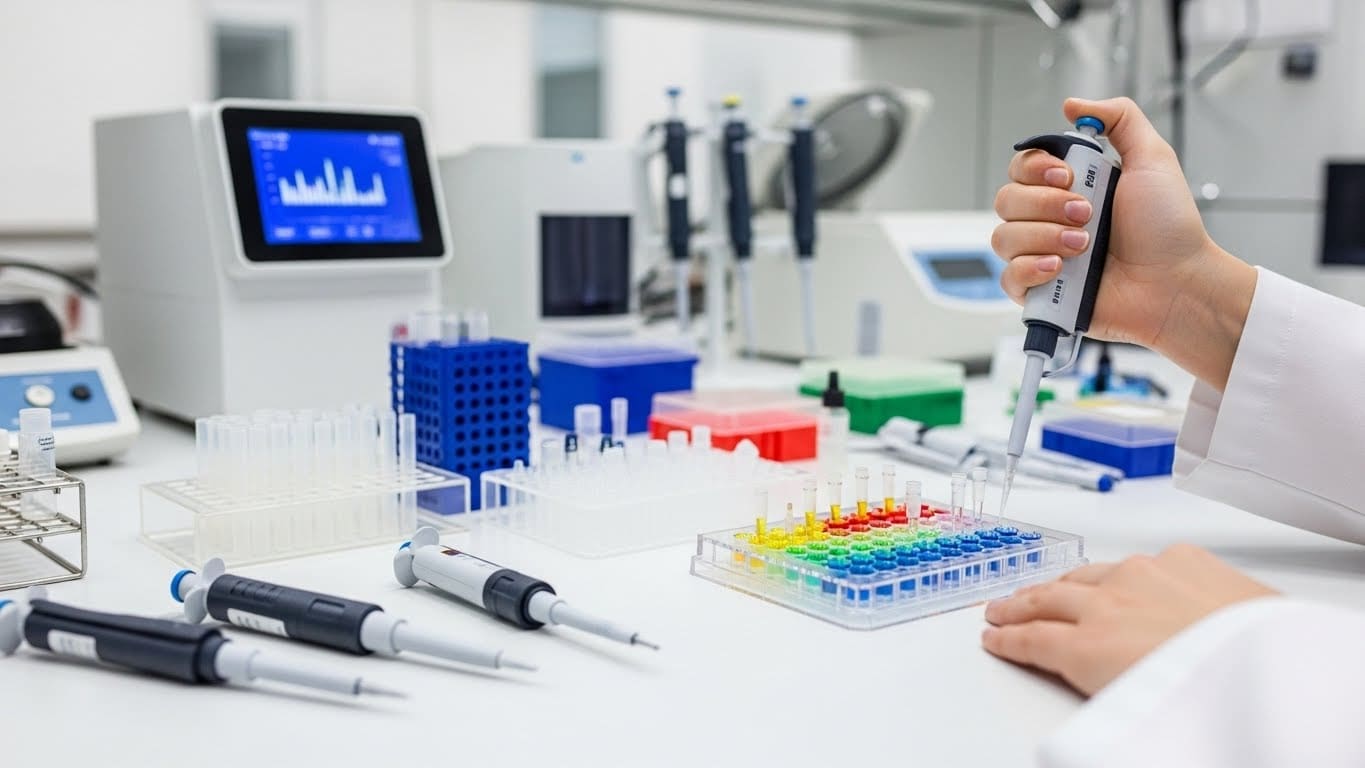
Claude’s capabilities will help accelerate tasks such as energy permitting, advancing nuclear technology research, and establishing pandemic early-warning systems. The initiative will utilize a wealth of historical data to enhance research productivity, making it easier for scientists to identify trends and propose new investigative avenues. By streamlining processes, this partnership hopes to create a measurable impact across various scientific fields.
Anthropic’s vision extends beyond this initial phase, with plans to broaden its collaboration with the DOE and extend AI integration to other American research institutions. Past projects, including the co-development of a nuclear risk classifier with the National Nuclear Security Administration and Claude’s deployment at Lawrence Livermore National Laboratory, will inform this expansion. The overarching goal is to establish a robust model for effective human-AI collaboration, continuously improving AI tools based on real-world research experiences.
Access to fifty years of accumulated research data positions Claude to significantly enhance research cycles within the DOE’s vital domains. This collaboration will facilitate advancements in energy, biological sciences, and overall scientific output, allowing researchers to draw from a rich archive to support their work. Claude’s analytical capabilities will be instrumental in optimizing processes for energy expansion and advancing nuclear technology, while also contributing to drug discovery and pandemic preparedness.
By building on its prior collaborations and focusing on continuous improvement, Anthropic aims to refine its AI tools based on feedback from the DOE’s research institutions. This effort seeks to pave the way for transformative developments in American scientific research, ultimately reflecting a commitment to leveraging AI for meaningful progress. As stated by Jared Kaplan, a co-founder of Anthropic, “AI can deliver transformative progress for research itself.”
The Genesis Mission is not just a partnership; it represents a strategic endeavor to harness the power of AI in addressing some of the most pressing challenges facing scientific research today. As Anthropic and the DOE work towards these ambitious goals, the implications for the future of research and innovation in America are profound.
For more details, visit Anthropic’s official site or the Department of Energy’s website.
See also Amazon and Alphabet Set to Surpass Nvidia in Market Cap by 2026, Analysts Predict
 Business Ethics in AI: UN Forum Urges Transparency Amid Rising Adoption Risks
 Kulicke and Soffa’s EMIB Strategy Signals Potential Shift in AI Chip Packaging Landscape
 China’s Deepseek and ‘Little Dragons’ Surpass US in Open AI Model Adoption
 Holiverse Develops Groundbreaking Offline AI Device to Reinstate User Data Control