









































Markets experienced a significant downturn this week following the announcement from AI company Anthropic regarding new add-ons to its AI model, Claude. This development suggests that Claude can execute a variety of tasks typically managed by traditional software providers.
Shares of major software-as-a-service firms, including Adobe, Intuit, and Salesforce, plummeted as investors feared that AI tools could undermine their business models. The impact was felt across the tech sector, with legacy firms like Microsoft, Amazon, and Google also seeing substantial losses. In total, the market capitalizations of these companies lost approximately $1 trillion within a week, although some recovery was noted on Friday.
Market analysts are still assessing the implications of Anthropic’s advancements. While its progress in developing superior AI models may pose challenges for legacy competitors, it is not viewed as an existential threat. Notably, Anthropic collaborates with both Amazon and Google to leverage the necessary data center capacity to launch its products. The prevailing sentiment among experts is that the recent developments underscore a lasting commitment to AI within the market.
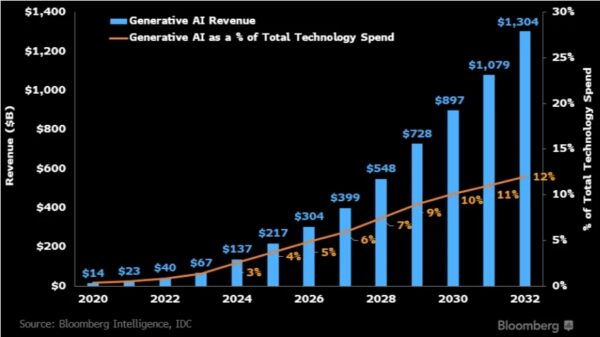
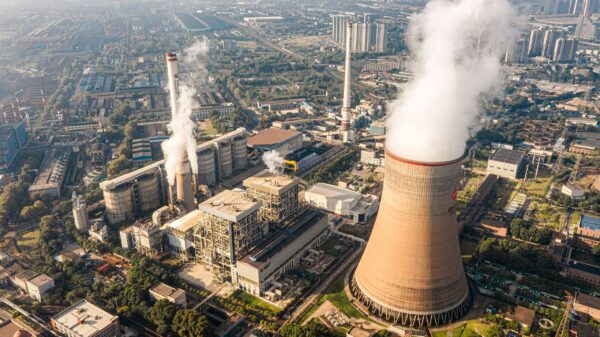
This week’s news is particularly relevant to the energy and climate sectors. The capital investment directed towards AI has the potential to unlock new energy technologies and reshape the landscape for clean energy solutions. This development reinforces the notion that faith in AI transcends mere hype and suggests that the trillions invested in the sector are unlikely to form a bubble. In fact, utility company stocks saw gains this week, even amidst a broader market decline.
For the hyperscalers—large technology firms that provide cloud services and have invested heavily in AI—the current situation is a pivotal moment. Much of the discourse surrounding their AI initiatives has centered on the race to develop superior models. However, recent market reactions indicate a more complex reality: these legacy companies are not merely striving to enhance their models but have also become integral to AI infrastructure, offering essential components such as chips, land, and power for data centers that meet both their own needs and those of their clients. Anthropic is expected to become an increasingly significant customer in this regard.
As AI continues to become more embedded in various sectors, the demand for supporting infrastructure is set to escalate. The recent comments from Microsoft CEO Satya Nadella during an earnings call further illustrate this trend. He highlighted “tokens per watt per dollar” as a critical performance metric, emphasizing the importance of energy efficiency alongside cost in AI development.
This focus on power consumption carries direct implications for decarbonization efforts. In the short- to medium-term, increased power usage, including reliance on fossil fuels, is anticipated. In contrast, the long-term outlook is likely to result in heightened investments in low-carbon energy technologies, ranging from advanced nuclear to geothermal power. While the recent market turmoil was ostensibly related to software advancements, its ramifications extend far beyond, influencing future infrastructure and energy dynamics.
As the market adapts to these changing realities, the trajectory of AI and its intersections with energy policy will continue to evolve, signaling a profound shift in how industries approach both technology and sustainability.
This article is supported by a partnership with the Outrider Foundation and Journalism Funding Partners. TIME retains sole responsibility for the content.
See also Unlock Wealth: Microsoft and Broadcom Set to Capitalize on $10 Trillion AI Surge
 Anthropic Launches Ad-Free Claude Chatbot, Takes Aim at OpenAI During Super Bowl
 Astera Labs Jumps 19% Amid AI Chip Surge; Analysts Project $202 Target by 2026
 1 in 5 Americans Turn to AI for Tax Filing Assistance Amid Procrastination and Stress
 Crushon AI Launches Unfiltered Roleplay Platform with Advanced Models and Privacy Risks