
















































In its latest economic analysis, the Commonwealth Bank of Australia (CommBank) forecasts a cautiously optimistic outlook for the global economy as it approaches 2026, buoyed by the unexpected resilience demonstrated throughout 2025. Despite ongoing challenges such as trade disputes and geopolitical tensions, the global economy has remained robust, largely driven by significant investments in artificial intelligence (AI) and easing monetary policies.
The report indicates that the United States is poised to spearhead this moderate global growth, benefiting from continued innovation spurred by AI and lower borrowing costs. This growth trajectory is shaped by three key factors: sustained inflationary pressures, the transformative capabilities of AI, and persistent geopolitical risks.
In the bond markets, yields have risen, primarily due to expectations of increased government borrowing and a general shift toward higher long-term interest rates, rather than spikes in inflation. Commodities, including oil and gold, have exhibited volatility, subject to supply disruptions and the ongoing tensions between major powers such as the US and China. These elements contribute to a heightened sense of risk, keeping financial markets on alert.
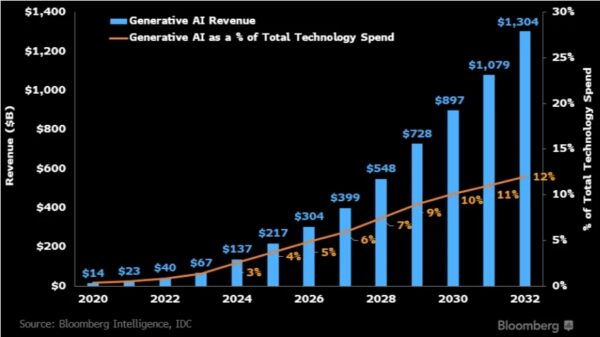
However, the AI sector remains a bright spot, driving capital expenditures in critical areas like data infrastructure and energy systems. Initial signs of productivity gains in advanced economies suggest that this wave of technological advancement could sustain economic momentum while alleviating some of the broader challenges.
Focusing on Australia, CommBank’s analysis reveals a domestic economy that outperformed expectations in 2025, creating a dual scenario of renewed vigor coupled with inflationary concerns. Strong consumer demand, fueled by rising household incomes, has brought the economy closer to its capacity limits, tightening the labor market more than initially anticipated. Companies are increasingly investing in AI and renewable energy projects to meet growing needs.
Meanwhile, the housing market has also seen a resurgence, with national property values expected to rise by approximately 5% in 2026, driven by population growth, income increases, and limited housing supply. Yet this economic buoyancy comes with a caveat: inflation has re-emerged as a pressing issue, prompting decisive action from the Reserve Bank of Australia (RBA).
The RBA raised its cash rate to 3.85% in February 2026, with further increases anticipated in May. This move reflects a diminished tolerance for inflation levels exceeding targets, as noted by CommBank’s Head of Australian Economics, Belinda Allen. She underscores the central bank’s heightened vigilance in managing price pressures, recognizing clear limits to acceptable inflation.
Consequently, economic expansion is projected to moderate throughout the year. The anticipated rise in borrowing costs is likely to curb household spending and overall GDP growth. While inflation is expected to remain elevated initially, forecasts indicate a gradual alignment with the RBA’s goals by the end of the year.
CommBank’s Chief Economist, Luke Yeaman, describes 2026 as a “year of boundaries” for Australia, where the focus shifts from recovery to managing constraints. Policymakers are tasked with balancing growth while preventing the economy from overheating, all while leveraging productivity gains from AI to progressively extend those boundaries.
Globally, the interplay between AI advancements and geopolitical strains is expected to dominate market discourse, potentially heightening volatility. CommBank’s insights emphasize the necessity for adaptability in an increasingly interconnected environment. While AI presents opportunities for innovation and efficiency, the challenges posed by inflation and international discord require careful navigation.
For businesses and households, keeping a close watch on these dynamics will be essential to thriving amid uncertainty. This outlook underscores that economic progress in 2026 will depend on addressing immediate pressures while investing in long-term resilience.
For further information, visit the Commonwealth Bank of Australia and the Reserve Bank of Australia.
See also AI’s Limitations Exposed: Skyscraper and Trombone Illustrate Lack of Common Sense
 Amazon Defends $200B AI Investment, Reports 14% Revenue Growth in Q4 2026
 Anthropic’s AI Disruption Triggers $1 Trillion Market Shift, Impacts Energy Sector Investments
 Unlock Wealth: Microsoft and Broadcom Set to Capitalize on $10 Trillion AI Surge
 Anthropic Launches Ad-Free Claude Chatbot, Takes Aim at OpenAI During Super Bowl