

















































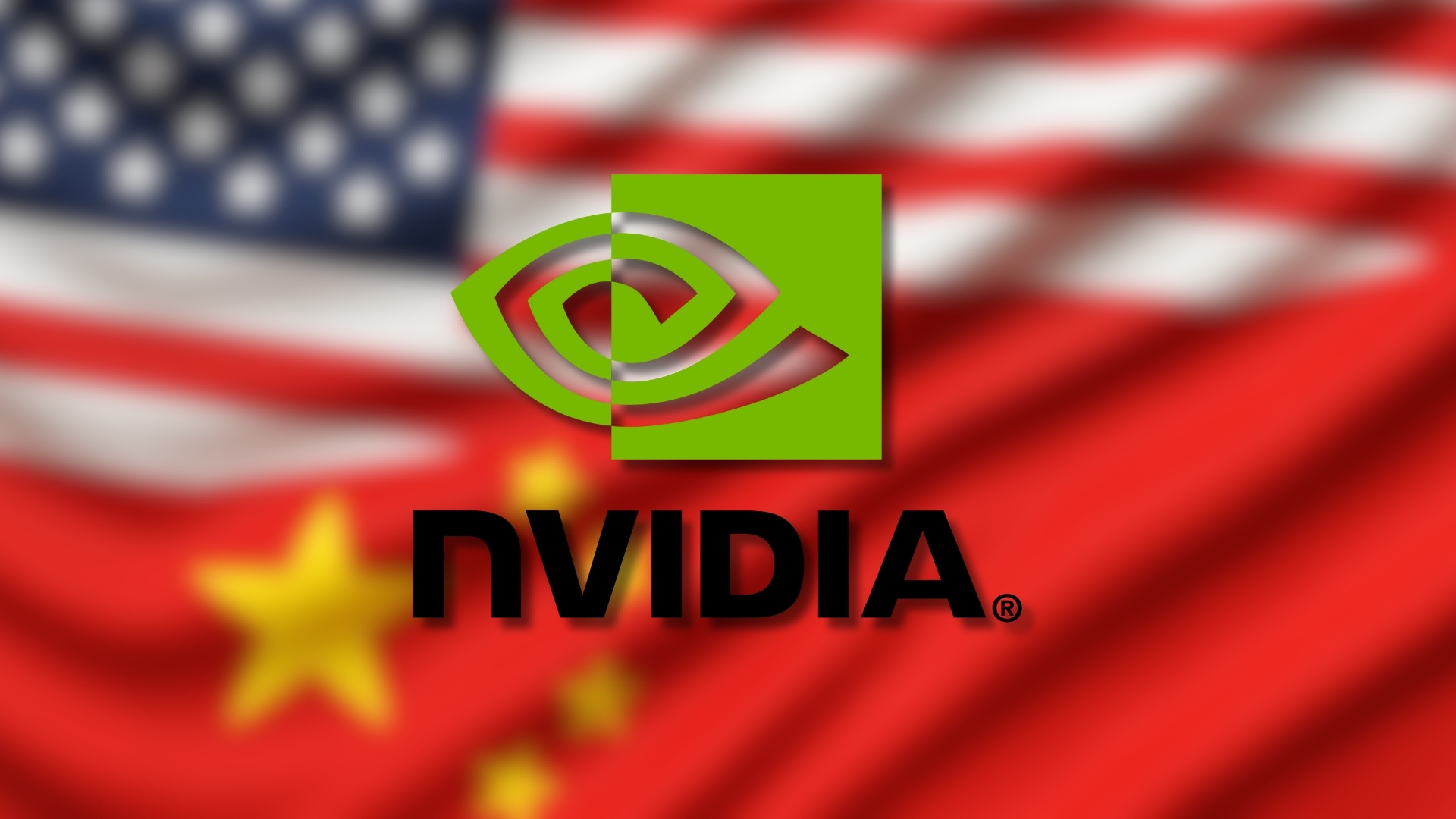
The H200 chip, a pivotal element in US-China relations, is under scrutiny due to concerns regarding its potential military applications. Recently, China has conditionally approved its leading AI startup, DeepSeek, to purchase Nvidia’s H200 AI chips, with regulatory requirements still being finalized. This decision adds DeepSeek to a growing roster of Chinese firms seeking access to the H200, which is regarded as one of Nvidia’s most powerful data-center chips.
The reported approval follows earlier developments where ByteDance, Alibaba, and Tencent were granted permission to acquire a combined total of over 400,000 H200 chips. This suggests that Beijing is shifting from a broad stance of caution towards more selective, case-by-case permissions regarding chip imports. Previous coverage indicated that these approvals represented a shift after a period of uncertainty about whether China would allow imports, even as the US continued to move forward with its export licensing process.
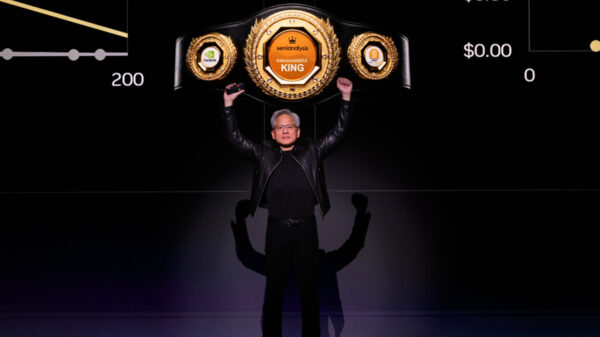
Nvidia CEO Jensen Huang, speaking in Taipei, noted that the company had not yet received confirmation regarding DeepSeek’s clearance and emphasized that the licensing process remains in flux. This uncertainty poses challenges for both suppliers and buyers. China’s industry and commerce ministries have been involved in the approval process, with conditions reportedly influenced by the National Development and Reform Commission, the state planner.
The H200 chip has emerged as a significant flashpoint in the technology rivalry between the US and China because access to high-tier chips directly impacts AI capabilities and competitiveness. Political scrutiny in the US has intensified, with a senior US lawmaker alleging that Nvidia provided technical support that enabled DeepSeek to develop advanced models later used by China’s military. Nvidia has disputed such claims in subsequent reports.
Meanwhile, DeepSeek is preparing for the launch of its next-generation model, V4, expected in mid-February. This development underscores the critical significance of access to high-performance computing, as it could influence both timelines and performance for the company.
If China’s conditional approvals result in actual shipments, they could alleviate a significant bottleneck for Chinese AI development while simultaneously expanding Nvidia’s influence in a market increasingly constrained by geopolitical factors. However, this episode illustrates that AI hardware is now subject to regulations from both US export controls and Chinese import approvals, placing companies in a position where they must navigate shifting policy priorities. With US lawmakers advocating for tighter safeguards and China balancing market demand against strategic risks, the implementation of these H200 decisions may indicate whether the two nations are moving toward a more permissive environment for certain “frontier” chips or simply refining a more restricted supply chain.
See also NVIDIA’s Earth-2 Delivers 15-Day Weather Forecasts in Minutes, Revolutionizing Meteorology
 Google’s Project Genie Reveals AI’s Potential to Revolutionize Game Design and NPC Behavior
 India’s Economic Survey Urges Creation of AI Economic Council to Mitigate Labor Market Disruption
 Amazon Shares Rise 0.5% as Citizens JMP Raises Price Target to $315 Ahead of Earnings