












































Colorado has become the first state in the U.S. to enact a law protecting criminal defendants from wrongful arrests stemming from unreliable roadside drug tests. The legislation, known as H.B. 26-1020, was unanimously passed by the Colorado House and Senate and signed into law by Governor Jared Polis on March 26.
The new law stipulates that police can no longer arrest individuals solely based on the results of colorimetric field drug tests for misdemeanor drug possession. Instead, officers must issue a summons to appear in court. Additionally, the statute mandates that courts inform defendants of the known error rates associated with these tests and their right to request laboratory testing before entering a plea.
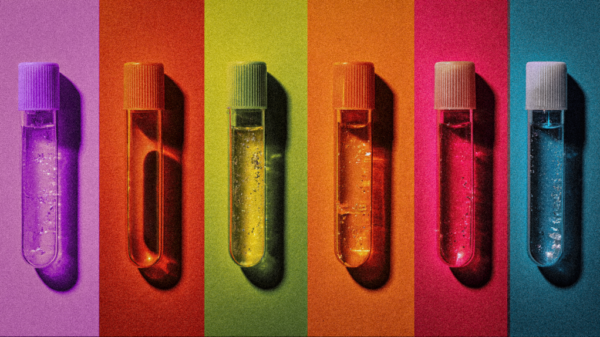
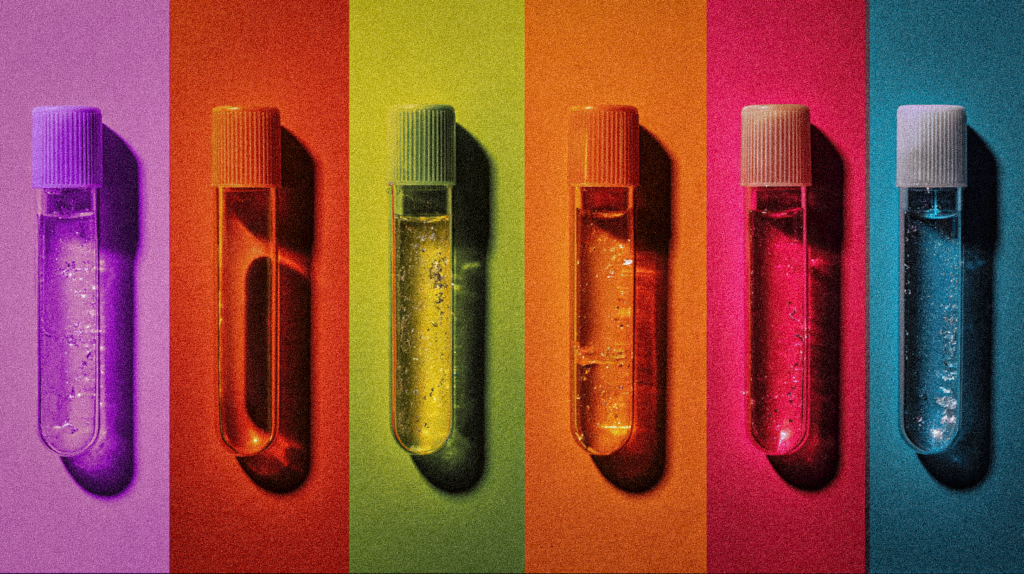
This pioneering legislation highlights a growing bipartisan acknowledgment of the significant issues posed by unverified drug field tests. Investigations and lawsuits have consistently documented instances where innocent individuals were arrested, jailed, and prosecuted based on faulty test results. Colorimetric field tests, which rely on chemical reactions to indicate the presence of narcotics, are popular with law enforcement due to their low cost and portability. However, these tests can yield false positives from innocuous substances, leading to wrongful arrests.
Over the years, there have been numerous cases across the country where individuals have faced legal consequences due to erroneous drug test results. For example, a recent profile in Reason detailed the case of Bryan Getchius, who was wrongfully arrested and charged with fentanyl trafficking after South Carolina sheriff’s deputies tested a bottle of prescription pills he was carrying. Getchius spent 15 days in jail and was placed under house arrest for seven months before the state forensics lab confirmed that the pills were legitimate medication for irritable bowel syndrome.
The problem has escalated to alarming levels, with a 2024 study from the Quattrone Center for the Fair Administration of Justice at the University of Pennsylvania estimating that approximately 30,000 wrongful arrests occur each year due to these field tests. The report indicated that these tests were used in nearly half of the 1.5 million drug arrests annually in the U.S. between 2010 and 2019.
Tricia Rojo Bushnell, executive director of the Quattrone Center, emphasized the need for other states to adopt similar reforms in a Washington Post op-ed. “While this reform may seem small and technical, for the people impacted, it is anything but,” she stated. “A false positive can cost someone their job, destabilize their family, interrupt their education and damage their standing in the community long before a laboratory corrects the record.”
In response to these issues, the American Legislative Exchange Council (ALEC) introduced a model policy in January aimed at limiting the use of colorimetric field tests in state legislatures. Nino Marchese, director of ALEC’s judiciary task force, praised Colorado’s bill for reinforcing the principle that the state’s burden of proof should be based on “accurate, verifiable evidence.”
Although some prison systems and police departments have ceased using these field kits, they continue to be widely employed by law enforcement agencies and are still accepted by courts as probable cause for arrests. The new law in Colorado marks a significant step in addressing the ramifications of inaccurate drug testing methods, highlighting the need for reform across the nation.
As more states consider similar legislation, the focus will increasingly shift toward ensuring that law enforcement practices are rooted in reliable and scientifically validated evidence. The potential to reduce wrongful arrests could lead to profound changes in how drug-related offenses are handled across the United States.
See also Microsoft Launches MAI-Image-2, Securing 3rd Place on ArenaAI Leaderboard
 RWS Integrates Cohere’s LLMs into Language Weaver Pro, Enhancing Context-Aware Translation
 Meta Suspends Collaboration with $10B AI Startup Mercor After Major Security Breach
 Germany”s National Team Prepares for World Cup Qualifiers with Disco Atmosphere
 95% of AI Projects Fail in Companies According to MIT