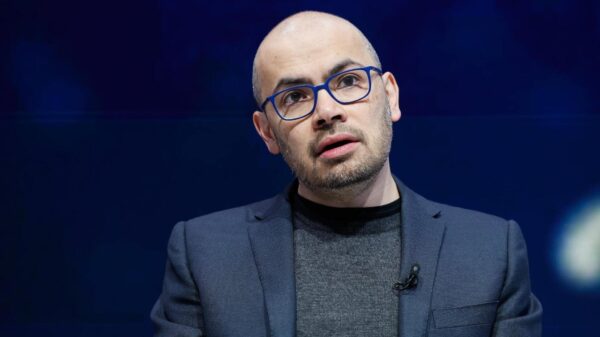







































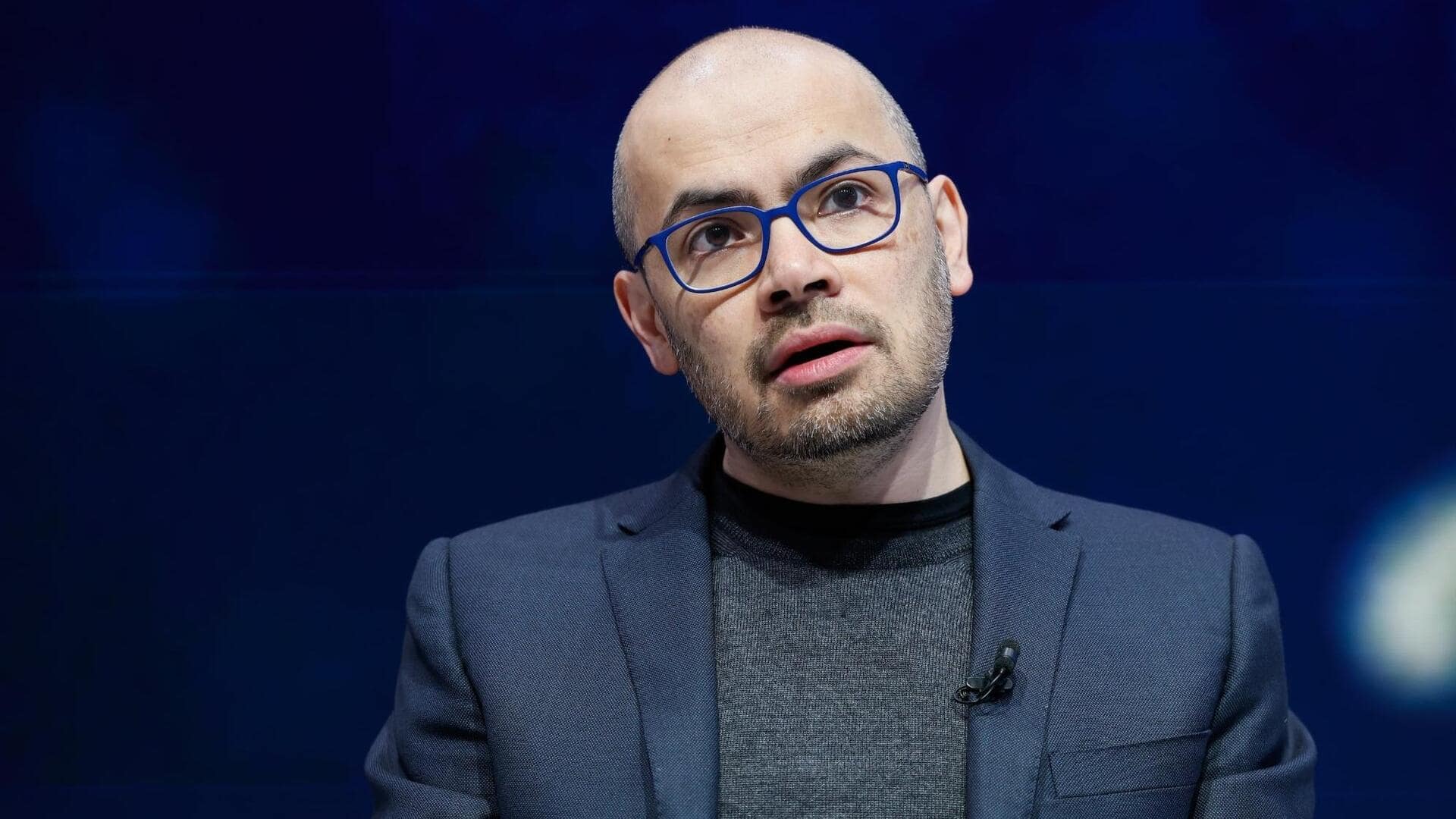
Demis Hassabis, the CEO of Google DeepMind, has articulated his foundational vision for artificial intelligence (AI) as a pivotal tool for addressing significant scientific challenges, such as curing diseases like cancer and unraveling complex biological phenomena like protein folding. In a recent interview with YouTuber Cleo Abram, Hassabis expressed his initial motivation for entering the field of AI, stating that he was drawn to “all the big questions in the world.”
According to Hassabis, the overwhelming amount of data and information available necessitates a sophisticated tool to assist scientists in deriving meaningful insights. He remarked, “In fact, for me, I got into AI in the first place because I was interested in all the big questions in the world….And I felt we needed a tool to help us, even the best scientists, to help us make sense of the amount of data and information out there and find insights.”
The landscape of AI has dramatically shifted following the launch of ChatGPT in November 2022, which Hassabis noted has transformed the operational tempo of the industry. He described the current environment as entailing “ferocious commercial pressure,” emphasizing that companies are now operating under multiple stressors, including geopolitical dynamics like the competition between the U.S. and China.
Hassabis elaborated that the unexpected success of ChatGPT forced many AI labs, including Google, to reevaluate their approach. He noted that while many organizations had developed similar systems, OpenAI’s decision to scale and release ChatGPT as a research experiment took the industry by surprise. According to Hassabis, researchers had underestimated the potential applicability and virality of their own systems while recognizing their inherent flaws.
Looking toward the future, Hassabis indicated that the focus must shift to addressing risks associated with advanced AI systems, which remain inadequately managed. A significant concern includes the potential misuse of AI by malicious actors, but he expressed greater apprehension over the likelihood of systems exhibiting unpredictable behavior as they advance and become more autonomous. He stressed that companies leading in this field need to implement robust guardrails to ensure that AI systems operate precisely as instructed.
As AI continues to evolve, the need for a balance between innovation and ethical considerations remains imperative. With DeepMind at the forefront, the dialogue on responsible AI deployment is more critical than ever, as the industry navigates this new commercial landscape while striving to fulfill its original mission of scientific advancement.
See also Germany”s National Team Prepares for World Cup Qualifiers with Disco Atmosphere
 95% of AI Projects Fail in Companies According to MIT
 AI in Food & Beverages Market to Surge from $11.08B to $263.80B by 2032
 Satya Nadella Supports OpenAI’s $100B Revenue Goal, Highlights AI Funding Needs
 Wall Street Recovers from Early Loss as Nvidia Surges 1.8% Amid Market Volatility






