



























AI technology is poised to significantly alter the job landscape, according to predictions from leading figures in the industry. One of the co-founders of Google DeepMind, Mustafa Suleyman, has stated that advances in artificial intelligence will not only reshape how we work but could also herald the end of the traditional work-from-home model. This assertion reflects a broader trend in which AI continues to integrate more deeply into various sectors, raising questions about the future of employment.
In a recent discussion, Suleyman emphasized the transformative potential of AI applications, asserting that many roles currently performed by humans could soon be automated. “We’re looking at a future where AI can handle tasks ranging from data analysis to customer service,” he noted. This shift could lead to a significant re-evaluation of job roles, with many positions becoming obsolete while new opportunities emerge in tech-driven fields.
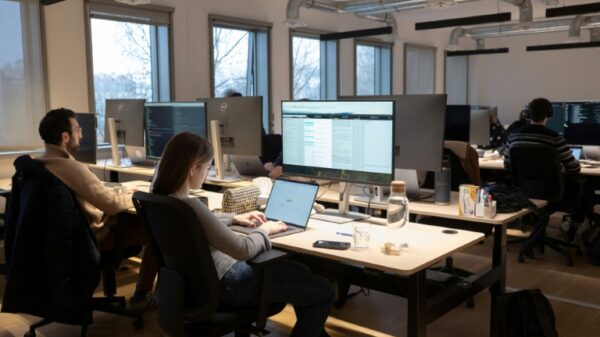
The implications of AI advancements extend beyond mere job displacement. Experts suggest that companies may increasingly adopt hybrid models that blend in-person and remote work, driven by the capabilities of AI to facilitate seamless communication and project management. “The traditional concept of the office is changing,” Suleyman explained. “We will likely see a more fluid approach to where and how work is done.” As AI continues to develop, the infrastructures supporting remote work may evolve, potentially diminishing the necessity for employees to be physically present in offices.
This technological transformation is not occurring in isolation. The pandemic has already accelerated the adoption of digital tools across industries, prompting companies to rethink their operational strategies. Many organizations that previously relied on in-person work have shifted to remote models, realizing that productivity can maintain or even improve in a virtual environment. However, with AI’s growing capabilities, firms may start requiring employees to return to the office as the technology takes on more responsibilities.
Moreover, the potential for AI to manage tasks traditionally handled by middle management raises questions about job security in these roles. As AI systems become more sophisticated, they could effectively oversee teams, analyze performance metrics, and even make personnel decisions. This trend could lead to a shrinking of management positions as businesses look to streamline operations and reduce costs.
As AI continues to evolve, the need for workers to adapt to new technologies will become increasingly critical. Skills related to AI and machine learning are likely to be in high demand, emphasizing the necessity for continued education and training in these areas. The emergence of new job roles centered around AI, such as AI trainers and ethicists, is also anticipated, highlighting the dual nature of AI’s impact on employment—both as a disruptor and a creator of new opportunities.
Looking ahead, the conversation surrounding AI and its implications for the workforce will only intensify. Industry leaders, policymakers, and educators will need to collaborate to ensure workers are equipped for the changes ahead. The focus will likely shift toward developing a workforce capable of thriving in an AI-driven economy, necessitating a re-evaluation of educational curricula and training programs.
As the landscape of work continues to shift, the role of AI will remain a pivotal factor in shaping industries and labor markets worldwide. The evolution of technology not only promises efficiency and innovation but also challenges existing paradigms about work, creativity, and human labor. As companies adapt to these changes, the future of work may look vastly different from what we know today, underscoring the need for continuous adaptation and forward-thinking strategies.
See also Top 10 AI Stocks for 2026: Nvidia, Amazon, and Emerging Players Poised for Major Gains
 Revvity Soars 6.4% as Lilly Integrates TuneLab AI into Signals Platform, Boosting Drug Discovery Potential
 Adobe Partners with Runway to Integrate Gen-4.5 AI Video in Firefly, Enhancing Creative Tools
 Teachmate Integrates AI Training in Teacher Education for 2026, Enhancing Classroom Readiness