








































The competitive landscape of artificial intelligence is intensifying as key players unveil significant advancements in their technologies. DeepSeek is poised to launch its most advanced language model to date, building upon its earlier 3.2.2 API model, while OpenAI has completed work on its next-generation model, codenamed “Spud.” Concurrently, Anthropic has enhanced its Claude AI system, enabling better integration with popular platforms like Figma and Amplitude. These developments reflect a broader industry focus on scalability, accessibility, and adaptability, even as challenges such as hardware constraints and evolving benchmarks continue to emerge.
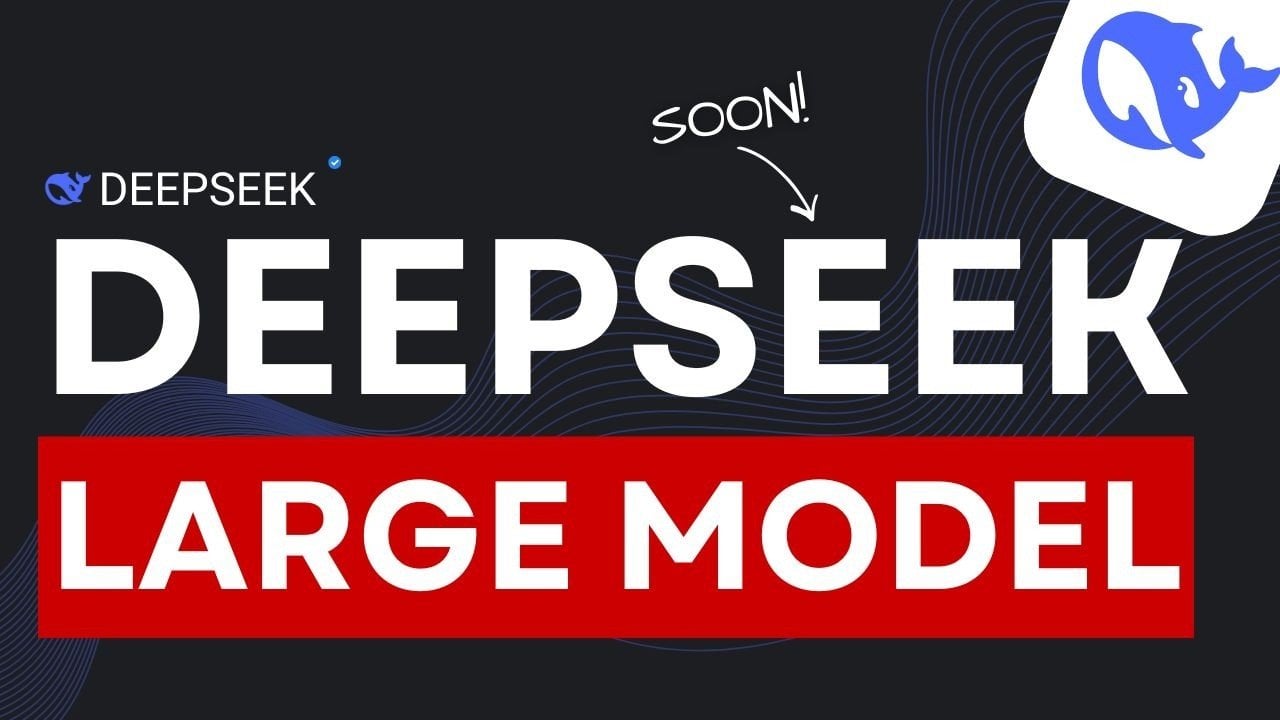
DeepSeek’s forthcoming model aims to address performance limitations, positioning itself as a direct competitor to existing market leaders amid rising operational costs and the need for thorough scalability. Since entering the AI field in 2025, DeepSeek has garnered attention for its innovative approach to language modeling. However, the company faces increasing pressure from rivals, particularly those emerging from China, alongside its reliance on Nvidia hardware. Although experts anticipate substantial improvements in scalability and performance, there are concerns that these advancements may not match the transformative impact of DeepSeek’s previous releases. The rapidly evolving AI landscape necessitates that the company effectively adapts to these challenges to maintain its competitive edge.
OpenAI’s completion of the GPT-5.5 model marks a significant milestone in its ongoing efforts to push the boundaries of natural language processing. The new model is expected to be branded as either GPT-5.5 or GPT-6 and is indicative of OpenAI’s commitment to expanding the practical applications of AI technologies. In a strategic move, the company is consolidating its existing tools into a unified “super app,” designed to provide a cohesive user experience. As part of this transition, the previously available Sora app, which offered video generation capabilities, will be discontinued. This integration of functionalities into a single platform reflects OpenAI’s aim to create a comprehensive ecosystem that caters to diverse user needs, enhancing both accessibility and usability.
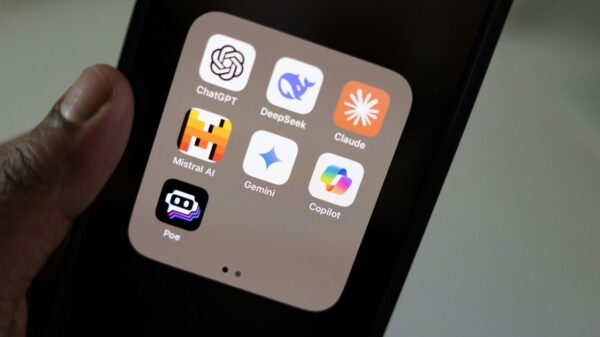
Anthropic’s updates to Claude AI further highlight the ongoing evolution of AI tools tailored for professional use. The enhancements enable Claude to function seamlessly on mobile devices, allowing integration with widely utilized platforms such as Figma, Canva, and Amplitude. This evolution positions Claude as a versatile tool for professionals seeking to leverage AI in collaborative and creative environments. By focusing on usability and functionality, Anthropic aims to meet the growing demand for AI solutions that facilitate productivity in various industries. The ability to integrate with popular platforms significantly broadens Claude’s appeal and underscores Anthropic’s commitment to delivering impactful AI applications.
As advancements continue, the ARC AGI3 benchmark has become a pivotal tool for evaluating AI systems based on their adaptability and reasoning capabilities. Unlike traditional benchmarks, which primarily assess pre-trained knowledge, ARC AGI3 focuses on models’ ability to reason and learn in unfamiliar scenarios, providing a more comprehensive measure of their potential to achieve Artificial General Intelligence (AGI). However, current AI models have scored less than 1% on this benchmark, indicating significant limitations in adaptability and generalization, thus underscoring the challenges that still lie ahead in the quest for AGI.
The ongoing developments within the AI sector illustrate both opportunities and challenges. While advancements in models and features promise enhanced productivity and creativity, the road to achieving AGI necessitates addressing fundamental limitations in reasoning and adaptability. As the industry evolves, collaboration among researchers, developers, and organizations will be crucial in shaping the next generation of AI systems. This collective effort will ensure that future technologies are not only powerful but also capable of meeting the complex demands of an ever-changing technological landscape.
Media Credit: Universe of AI
See also Germany”s National Team Prepares for World Cup Qualifiers with Disco Atmosphere
 95% of AI Projects Fail in Companies According to MIT
 AI in Food & Beverages Market to Surge from $11.08B to $263.80B by 2032
 Satya Nadella Supports OpenAI’s $100B Revenue Goal, Highlights AI Funding Needs
 Wall Street Recovers from Early Loss as Nvidia Surges 1.8% Amid Market Volatility