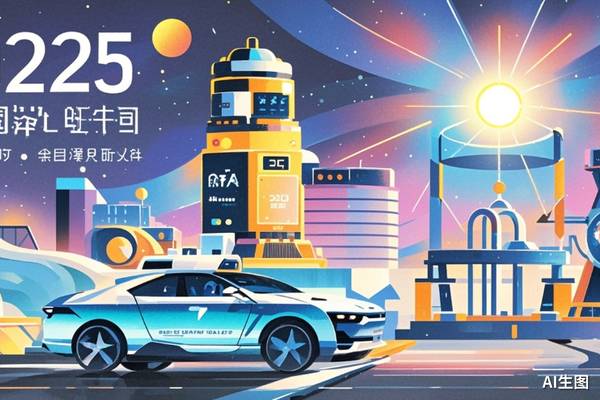
In a transformative year for the technology sector, 2025 emerged as a pivotal moment characterized by significant shifts in competition and innovation. The catalyst for this change was the launch of the R1 inference model by startup DeepSeek on January 20, 2025. Initially met with little fanfare, the model’s performance soon rivaled that of established players like OpenAI, leading to a dramatic reevaluation of AI assets across the globe. By late January, the implications of DeepSeek’s breakthrough became evident, shaking Silicon Valley’s long-held assumptions about the costs associated with AI development.
The “cost paradigm shock” introduced by DeepSeek demonstrated that high-performance AI models could be developed with significantly less investment than previously thought. With just 2,000 graphics cards and a training cost of approximately $6 million, DeepSeek’s model achieved a level of inference capability that had typically required hundreds of billions in capital expenditure. This revelation prompted a wave of investor concern, particularly for tech giants like NVIDIA, whose stock plummeted nearly $600 billion in value over a matter of days, marking one of the most significant losses in U.S. stock market history.
This upheaval catalyzed a broader reassessment of Chinese tech assets, particularly those represented in the Nasdaq Golden Dragon China Index, which saw a surge of over 4% by January 31. Investors recognized that Chinese companies were forging an innovative path that diverged from Silicon Valley’s capital-intensive model, highlighting the potential for a more efficient approach to AI development.
While the technological landscape was evolving rapidly, the capital markets faced intense pressure following the implementation of new U.S. tariff policies on April 7. The global financial market reacted sharply, with stock indices in Japan and South Korea tumbling, while China’s A-shares experienced a rare “Black Monday.” In a bid to restore market confidence, the “national team” intervened, deploying a stabilization fund to shore up the Chinese capital market. Central Huijin Investment Co., Ltd. led the effort by announcing purchases of exchange-traded funds, joined shortly after by other state-owned enterprises expressing support for the market.
The coordinated response from officials and the People’s Bank of China underscored the government’s commitment to maintaining market stability amidst external geopolitical challenges. These measures effectively curbed irrational market fluctuations and communicated a strong message of resilience to investors.
Simultaneously, the consumer market witnessed fierce competition. In April, Pop Mart’s LABUBU character sparked a global buying frenzy, showcasing the international appeal of Chinese intellectual property. The launch of the third-generation “High-Energy Ahead” series led to long lines at stores globally, with revenue in the American market growing nearly nine-fold. Pop Mart’s stock soared by more than 200% in the first half of the year, prompting investment firms to raise their target prices significantly.
As 2025 progressed, JD.com made a high-profile entry into the food delivery sector, intensifying competition among giants like Alibaba and Meituan. By July, the companies were engaged in aggressive price wars, using substantial subsidies to capture market share. JD.com reported a five-fold increase in daily food delivery orders within weeks of launching its service, while Meituan recorded over 120 million instant retail orders in a single day due to promotional offers.
In response to the escalating competition, Alibaba revamped its flagship AI application, “Tongyi,” aiming to establish a stronger presence in the consumer market. This move signaled an intention to intensify its focus on consumer-facing AI applications, reacting to the pressures from rival firms and the broader market dynamics.
Reflecting on 2025, it is evident that the year was marked by resilience and innovation against a backdrop of uncertainty. As Chinese businesses navigated through both technological advancements and market challenges, the dual narratives of breakthrough and competition became defining themes. The lessons learned and strategies adopted during this period are likely to shape the future trajectory of the technology sector and its global interactions.
See also PM Modi to Launch AI Impact Summit with Global Leaders, 15,500 Registrations from 136 Countries
 Salesforce Reallocates 4,000 Roles to Boost AI-Driven Sales Amid Investor Skepticism
 SpaceX, OpenAI, and Anthropic Rush Toward $1 Trillion Giga-IPO Amid Capital Crunch
 Offensive AI Memes Fuel 98% of New Crypto Rug Pulls Amid Weak Content Moderation
 MEXC Launches AI Copy Trading Challenge with $20,000 Reward Pool and Top Models