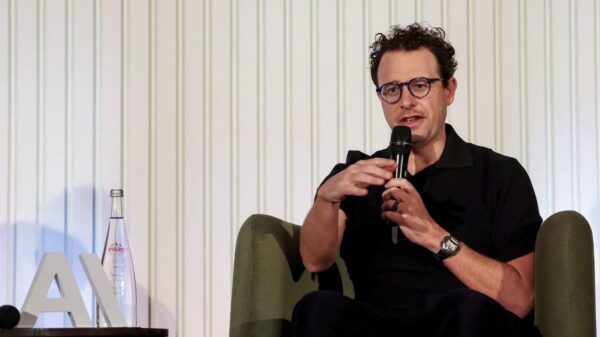





































Demis Hassabis, chief executive of Alphabet Inc. (NASDAQ:GOOGL) subsidiary Google’s DeepMind, is advocating for a shift in career guidance amidst the rapidly evolving landscape of artificial intelligence. Speaking at the World Economic Forum in Davos, alongside Anthropic CEO Dario Amodei, Hassabis suggested that gaining proficiency with advanced AI tools may be more beneficial for students than pursuing traditional internships.
Hassabis warned that the increasing implementation of AI is poised to disrupt junior and entry-level positions, including internships, as companies increasingly automate routine tasks. He indicated that this transformation undermines the previous model in which students developed skills through repetitive work experiences at large organizations. “If I was to talk to a class of undergrads right now, I’d be telling them to get really, unbelievably proficient with these tools,” he remarked, describing AI systems as “amazing creative tools” that are accessible to everyone. He further emphasized that deep fluency with AI, paired with hands-on projects, could potentially offer graduates advantages that traditional internships might not.
This shift in perspective reflects a broader trend in the labor market, where the ability to create and innovate using technology is becoming a more reliable indicator of a candidate’s potential than mere experience at prestigious firms. Hassabis has consistently underscored this point, arguing that what job seekers can demonstrably build with AI technology is of paramount importance.
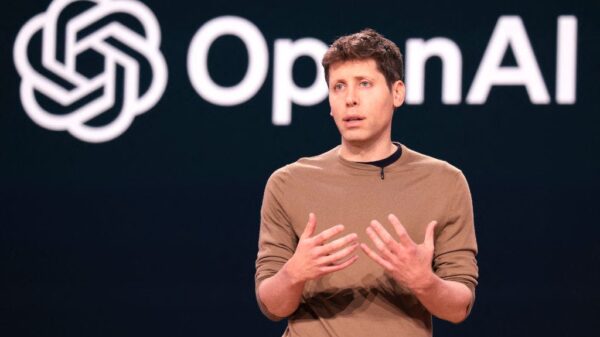
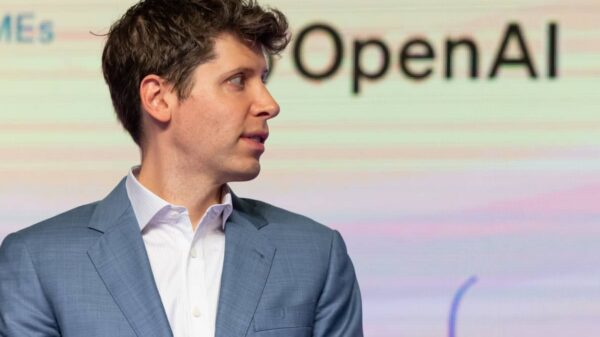
Other technology leaders are echoing this sentiment. OpenAI’s Sam Altman has similarly advised students that fluency with AI tools is becoming more significant than the specific degrees they hold, predicting that many entry-level positions will be restructured or eliminated altogether. This growing consensus among tech executives underscores a significant shift in the expectations placed on new entrants to the workforce, as the demand for technical proficiency increasingly outstrips traditional qualifications.
The implications of this shift are profound. As educational institutions grapple with the need to adapt curricula to meet the demands of an AI-driven economy, students who invest their time in mastering AI tools may find themselves better positioned for success. This raises important questions about the future of traditional internships and entry-level roles in various industries, as automation continues to reshape the job market.
In this context, companies may begin to prioritize candidates who demonstrate not only a theoretical understanding of AI but also practical experience in utilizing these technologies for innovative solutions. The changing landscape calls for a reevaluation of career pathways, with an emphasis on adaptability and continuous learning as key components of professional development in the age of AI.
As the dialogue around AI’s impact on employment evolves, it is clear that the paradigm for entering the workforce is shifting. With leaders like Hassabis and Altman advocating for AI fluency, the next generation of professionals may need to approach their career planning with a focus on technology mastery that transcends traditional educational metrics.
In summary, the emphasis on AI proficiency suggests a significant evolution in how students and job seekers prepare for careers in an increasingly automated world. As companies look to harness the power of AI for efficiency and innovation, those equipped with the necessary skills to leverage these tools will likely emerge as the most competitive candidates in the job market.
See also Korean AI Startup aieev Secures $415K to Scale Decentralized Cloud Infrastructure
 Invest in AI’s Future: Buy Alphabet, Microsoft, and TSMC Stocks for Long-Term Gains
 Utah Teacher’s Experience Highlights Child Welfare Concerns Over Kids’ Play Dynamics
 IREN’s $9.7B Microsoft AI Deal Sparks Valuation Debate Amid Trading Volatility
 Texas Instruments Achieves 70% Surge in Data Center Orders Driven by AI Demand