














































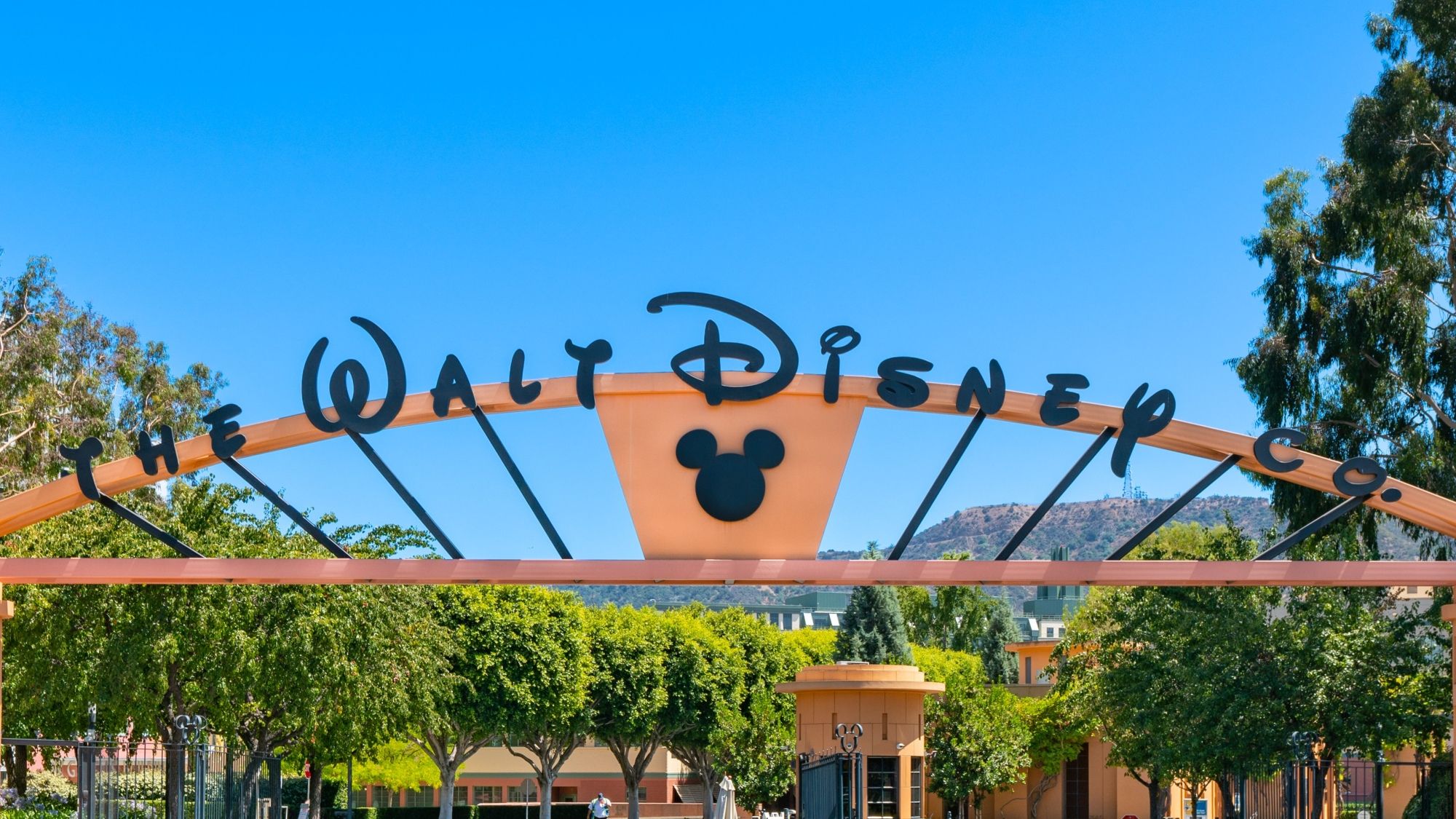
The Walt Disney Company has announced a significant investment of $1 billion in OpenAI as part of a new three-year licensing agreement. This partnership will enable OpenAI’s Sora AI video generator to produce user-requested social videos featuring over 200 characters from Disney, Marvel, Pixar, and Star Wars, set to launch in early 2026.
This collaboration comes on the heels of OpenAI’s recent deployment of Sora 2 and a new social app reminiscent of TikTok, which generates realistic AI videos lasting up to 10 seconds. The immersive nature of these clips blurs the line between reality and artificiality, raising questions about content authenticity in the digital age.
As Disney aligns with OpenAI, the implications for Hollywood’s content creation landscape warrant attention, particularly concerning the potential impact on job opportunities within the creative sector. OpenAI’s licensing agreement does not extend to talent likenesses or voices, a factor that may influence how characters are portrayed in the generated content.
Disney’s CEO, Bob Iger, commented on the collaboration, stating, “The rapid advancement of artificial intelligence marks an important moment for our industry, and through this collaboration with OpenAI we will thoughtfully and responsibly extend the reach of our storytelling through generative AI, while respecting and protecting creators and their works.”
Iger emphasized the company’s intent to engage with OpenAI’s innovations, stating, “We want to participate in what Sam is creating, what his team is creating. We think this is a good investment for the company.” He also reassured stakeholders that the OpenAI agreement “does not in any way represent a threat to creators at all.”
The agreement positions Disney as a major customer of OpenAI, which will receive warrants to purchase additional equity in the company. A selection of videos generated by users on the Sora platform is expected to be available for streaming on Disney+. This move could allow Disney to capitalize on the growing demand for short-form video content, competing with platforms like Instagram‘s Reels, YouTube Shorts, and TikTok.
This partnership surfaces amid increasing scrutiny surrounding copyright infringement issues involving OpenAI. The company recently faced a court order requiring it to produce 20 million chat logs from ChatGPT users as part of its ongoing legal challenges with the New York Times. OpenAI CEO Sam Altman has previously argued that copyright law does not categorically prohibit the use of copyrighted content for AI model training, framing it as “fair use.”
As the landscape of media and technology continues to evolve, the partnership between Disney and OpenAI exemplifies a broader trend of integrating advanced technologies into traditional storytelling methods. The ramifications of this deal will likely play out over the coming years, shaping not only the creative processes within Hollywood but also consumer engagement with content.
For further information on OpenAI, visit their official site at openai.com and on Disney at disney.com.
See also Time Names ‘Architects of AI’ as 2025 Person of the Year, Highlighting Industry Transformation
 Amazon Reports $9.5B Income Boost from Anthropic Revaluation Amid Market Mania
 Qatar Hosts World Summit AI 2025, Unveils Fanar 2.0 and GovAI Program to Drive Digital Transformation
 Big Tech’s Strategic Narratives Shape Global AI Regulation, Reveals New Study
 Amazon Pulls Error-Filled AI Recap of Fallout Season 1 After Major Factual Mistake