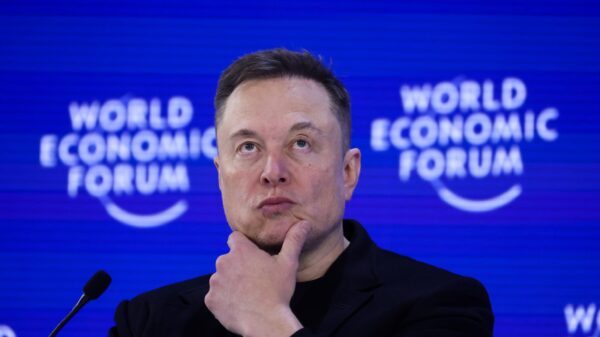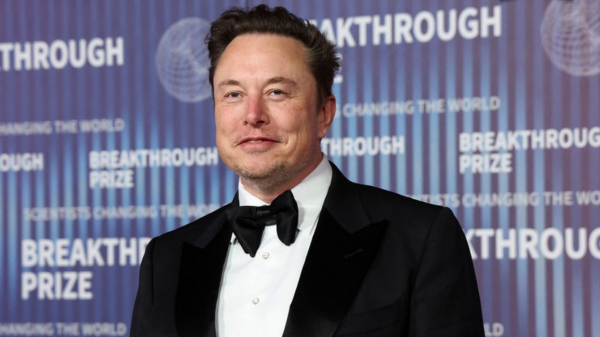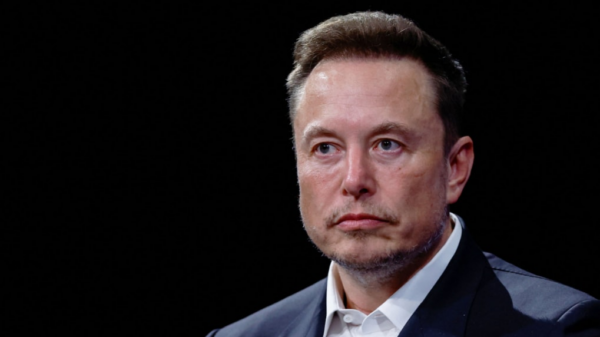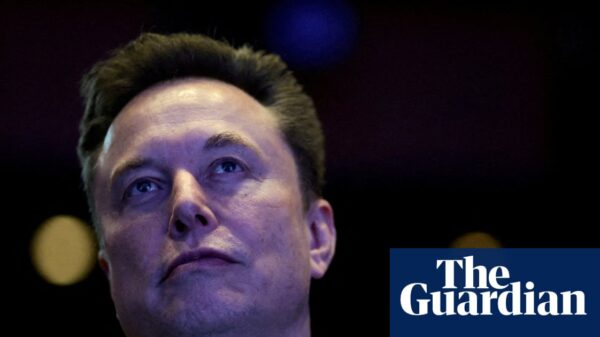











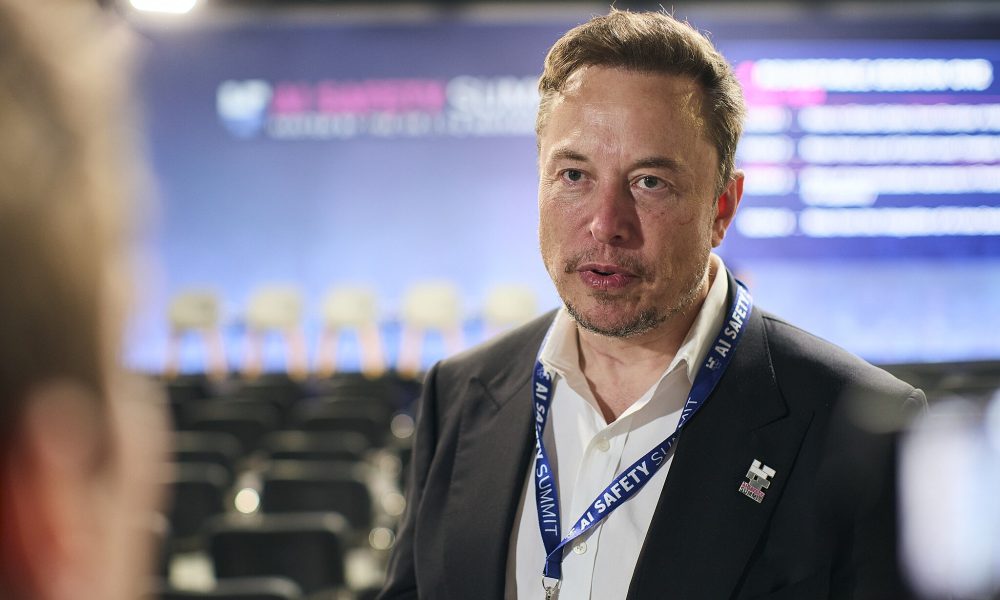
Elon Musk has ignited excitement in the esports community with a bold proposal for a high-profile gaming challenge involving xAI’s upcoming Grok 5. Musk suggested that it would be fascinating to see if the large language model could outplay the world’s top human League of Legends team under specific constraints. The idea has garnered positive reactions from professional players and Riot Games, increasing the likelihood that this exhibition match could become a reality.
In a recent post on X, Musk detailed the terms designed to keep the competition fair, including limitations on Grok’s reaction times, click speed, and visual capabilities. The AI would be restricted to human-level performance, viewing the game only through a camera feed that mimics standard 20/20 vision. This proposal quickly circulated through the esports community, eliciting commentary from both former professional players and AI researchers, as reported by Dexerto.
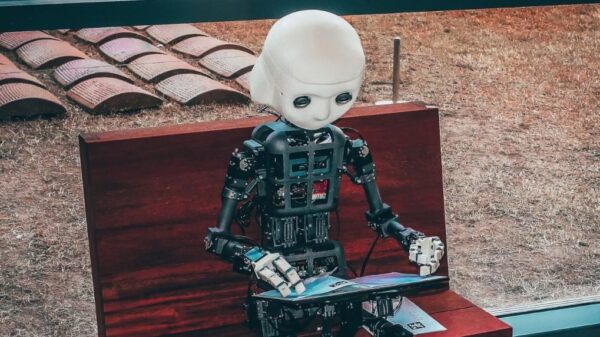
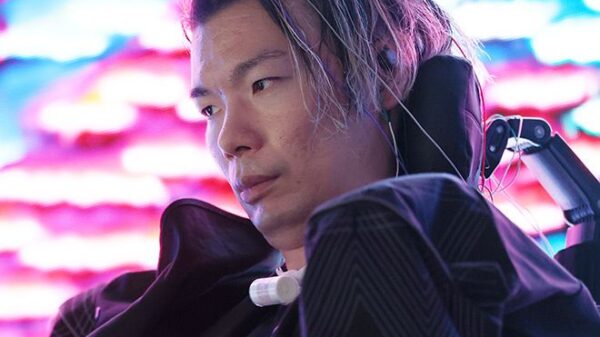
Former League pro Eugene “Pobelter” Park expressed keen interest and offered to assist Musk’s team, noting that this matchup could provide a unique comparison to earlier AI-versus-human challenges, such as OpenAI’s Dota 2 bots. AI researcher Oriol Vinyals, who has achieved Grandmaster status in StarCraft, suggested expanding the challenge to real-time strategy (RTS) games. Musk welcomed Vinyals’ suggestion and even responded positively to the idea of Grok’s robotic companion, Optimus, operating the mouse and keyboard.
Despite the enthusiasm, opinions on Grok’s chances are divided. Former professional mid-laner Joedat “Voyboy” Esfahani expressed skepticism, arguing that even with Grok’s advanced learning capabilities, the complexities of League of Legends—such as deep synergy, game-state interpretation, and team coordination—might pose significant challenges for AI at the highest levels. Similarly, Yiliang “Doublelift” Peng expressed doubt about Grok’s ability to defeat T1, jokingly promising to shave his head if the AI managed to triumph.
In a contrasting response, T1 showed interest in the proposed challenge, sharing a GIF of their star player Faker with the caption, “We are ready,” signaling their enthusiasm to participate. Riot Games co-founder Marc Merrill echoed this sentiment by expressing interest in further discussions with Musk, indicating that the gaming giant is supportive of the potential AI-versus-human matchup.
While no official match has been confirmed, the strong interest from players, teams, and Riot Games suggests that this concept could evolve into a landmark event, possibly becoming one of the most-watched League of Legends competitions in history. The constraints placed on Grok would add an intriguing layer to the matchup, allowing for an examination of how human-like the AI can really be in real-time gaming scenarios.
In a separate announcement, Tesla has reached a significant milestone that Musk first predicted over nine years ago. Tesla China’s official Weibo account revealed that the company’s Autopilot system has now accumulated over 10 billion kilometers of real-world driving experience. This achievement aligns with Musk’s earlier forecast in his 2016 Master Plan, Part Deux, where he estimated that such extensive data would be necessary for regulatory approval of autonomous driving systems worldwide.
Tesla China emphasized the advantages of its Autopilot technology, stating, “It will never drive under the influence of alcohol, be distracted, or be fatigued.” This assertion underscores the company’s belief that advancements in Autopilot technology can contribute to saving lives on the road. Although Tesla did not specify what it meant by “Autopilot” in its announcement, the focus on Full Self-Driving (FSD) technology indicates that the figure likely encompasses miles driven by FSD (Beta) and Full Self-Driving (Supervised).
In his 2016 Master Plan, Musk’s vision outlined the long road toward achieving regulatory approval for self-driving systems, predicting that 10 billion kilometers of data would be a benchmark for readiness. As Tesla continues to gather this extensive data, expectations are mounting that the company could secure FSD approval in Europe sometime next year, following similar advancements in markets like the United States, Australia, New Zealand, and South Korea.
See also Alibaba’s Profit Plummets 53% Amid Major AI Investment and Delivery War Shifts
 Trump Launches Genesis Mission to Accelerate AI-Driven Scientific Breakthroughs
 OpenAI Projects 220 Million Paying ChatGPT Users by 2030 Amid Rising Revenue
 HGC Accelerates AI-Driven Transformation with New Leadership to Capture Digital Market Growth
 Google Stock Surges 1.5% to $323.44, Driven by Strategic AI and Cloud Innovations