

















































Specialty services across a multitude of fields are increasingly crucial in modern healthcare, offering targeted treatment and cutting-edge advancements. From Allergy and Immunology to Urology, the wide array of specialties allows for personalized patient care that addresses specific medical needs.
Among the specialties, Cardiology remains at the forefront in addressing the global burden of heart disease, which is a leading cause of mortality worldwide. Cardiologists are leveraging state-of-the-art diagnostic tools and treatments to combat cardiovascular conditions effectively. They employ various methodologies, from non-invasive techniques to complex surgeries, ensuring comprehensive care tailored to individual patients.
Another essential area is Oncology, where specialists are continuously evolving treatment protocols for cancer patients. With advancements in immunotherapy and targeted therapies, oncologists are addressing the complexities of this disease more effectively. The increasing prevalence of cancer necessitates ongoing research and clinical trials to develop innovative treatment regimes that improve patient outcomes.
In the realm of Pediatrics, healthcare providers focus on the medical needs of infants, children, and adolescents. Pediatric specialists play a vital role in not only treating illnesses but also in promoting overall health and well-being through regular check-ups and preventative care. Their expertise is crucial in identifying developmental issues early, leading to better long-term health for children.
Beyond these established fields, emerging specialties like Integrative/Complementary Medicine are gaining traction. Practitioners in this area combine traditional medical practices with alternative therapies to provide holistic care. This multidisciplinary approach not only addresses physical health but also considers emotional and mental well-being, reflecting a comprehensive understanding of patient needs.
Each of these specialties requires a unique set of skills and knowledge, often necessitating extensive training and education. This specialized training ensures that healthcare professionals are equipped to handle complex medical scenarios, offering patients the best possible outcomes. Moreover, the collaboration between different specialties is essential in managing multifaceted health issues.
The evolving landscape of healthcare is also reflected in the increasing focus on Health Policy, emphasizing the importance of regulations and guidelines that govern medical practices. Policymakers are continually assessing healthcare systems to ensure they meet the needs of populations, particularly in underserved areas. The integration of technology into healthcare policy is pivotal, as telemedicine and digital health tools reshape patient engagement.
Innovation within these specialties is further propelled by advancements in Medical Education and Simulation. Training programs are incorporating simulation technology to provide realistic medical scenarios for students and professionals alike. This hands-on approach is critical in preparing future healthcare providers for the challenges they will face in their careers.
As the healthcare landscape continues to evolve, the importance of each specialty will only grow. Ongoing research and collaboration between various fields will be essential in addressing emerging health challenges. The commitment to improving patient care and outcomes remains the common thread that unites all specialties, fostering a multidisciplinary approach that ultimately benefits the healthcare system as a whole.
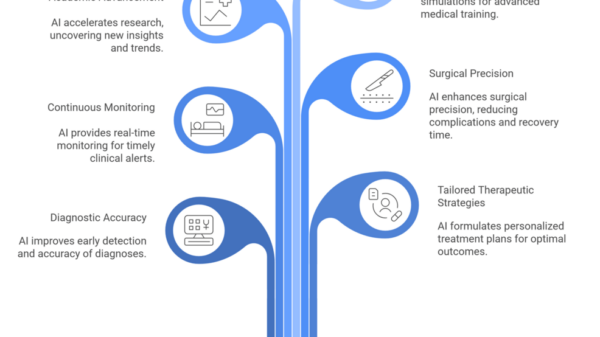
Looking ahead, the integration of artificial intelligence and data analytics into various specialties is expected to enhance diagnostic accuracy and treatment efficiency. As healthcare professionals adapt to these technological advancements, the emphasis on continued education and interdisciplinary collaboration will be crucial in navigating future challenges in patient care.
For more information on specific specialties and advancements in healthcare, visit the official sites of organizations such as the American College of Cardiology, American Society of Clinical Oncology, and American Academy of Pediatrics.
See also Google Reveals India’s Top ‘What Is’ Searches of 2025: From Operation Sindoor to DeepSeek
 AI’s Efficiency Crisis: Why R&D Must Embrace ‘Inefficiencies’ for Breakthrough Innovation
 IBM Targets AI Growth in Southeast Asia While Advancing Quantum Computing Roadmap
 OpenAI Seeks Head of Preparedness for $555K Role Amid Safety Concerns and Rapid Growth
 AI Startups Face Rising Borrowing Costs as Debt Investors Cautiously Monitor Market Risks