

















































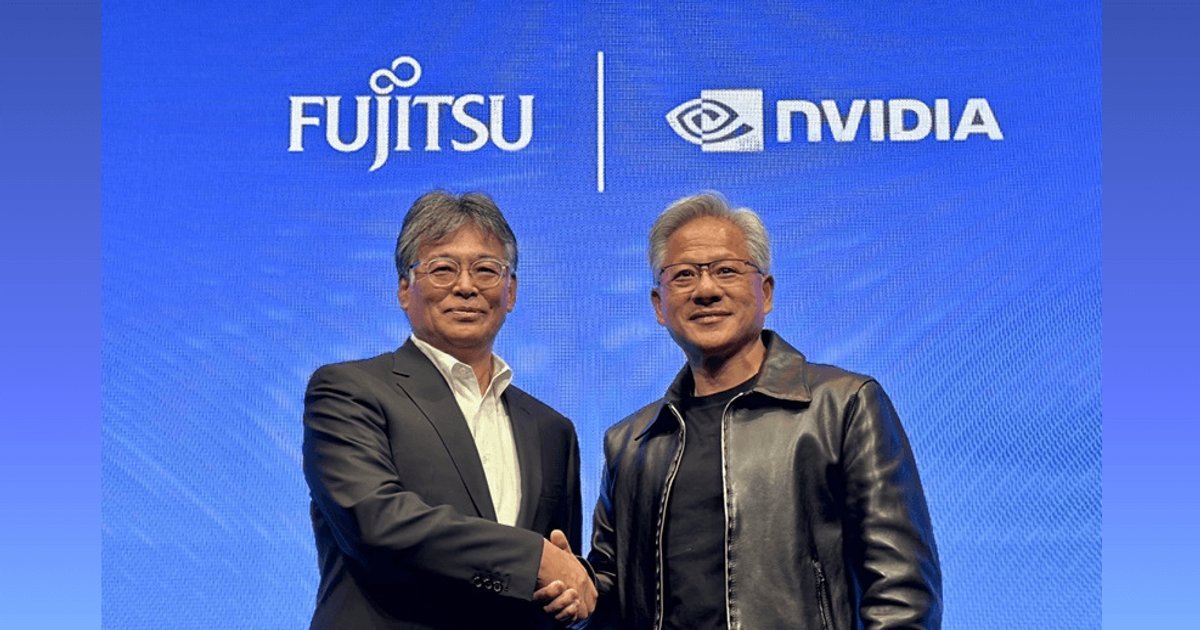
A new AI orchestrator developed by Fujitsu is set to transform the healthcare landscape by autonomously managing various specialized healthcare programs. This innovative system comprises multiple AI-driven agents, each functioning as an independent software component capable of executing specific tasks, facilitating the seamless integration of diverse medical applications without requiring manual oversight.
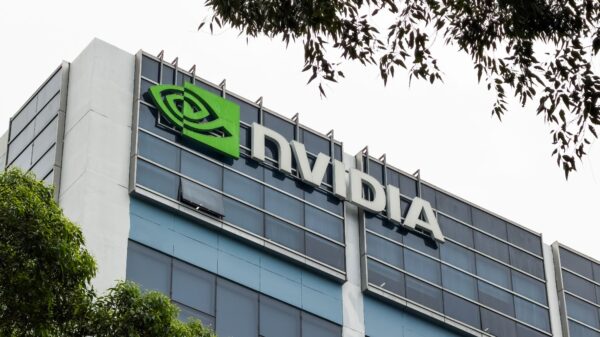
Leveraging essential infrastructure from Nvidia, including its NIM microservices—pre-configured AI tools designed for rapid deployment—and reference designs known as Blueprints, the system is positioned for quick implementation across healthcare settings. The primary aim is to utilize AI for alleviating administrative burdens faced by healthcare providers, thereby allowing medical professionals to focus more on direct patient care.
This shift could enable healthcare managers to reallocate staff from paperwork to clinical duties, which may not only enhance revenue but also improve job satisfaction among employees. For patients, the advantages are clear: reduced waiting times and a more personalized care experience tailored to individual needs. While the effectiveness of this technology is yet to be fully realized in real-world applications, Fujitsu plans to collaborate with several global medical institutions next year to assess its capabilities.
The forthcoming pilot programs will yield crucial data regarding the platform’s performance in complex healthcare environments, where patient safety and regulatory compliance are paramount. Such evaluations are expected to provide insights into how this AI orchestrator can be integrated into existing systems without causing significant disruptions.
In an additional strategic move, Fujitsu is creating a marketplace for specialized AI tools, allowing integration with AI agents from various other firms. This open architecture is likely to attract healthcare institutions that remain cautious about extensive technological changes that may upset established workflows. The gradual adoption of AI applications, without necessitating a complete overhaul of current systems, may ease the transition for more conservative healthcare organizations.
The flexibility of this platform enables institutions to select and implement AI agents tailored to their unique operational needs, rather than forcing them into a one-size-fits-all model. This modular approach acknowledges the varying requirements across different healthcare environments, ranging from expansive hospital systems to smaller specialty clinics.
While healthcare is a primary focus, the collaboration between Fujitsu and Nvidia extends beyond medical applications, aiming to establish a full-stack AI infrastructure that integrates AI agents across various sectors, including manufacturing and robotics. Takahito Tokita, Fujitsu’s representative director and CEO, stated, “Fujitsu’s strategic collaboration with Nvidia will accelerate AI-driven business transformation in enterprise and government sectors.”
This expansive vision seeks not only to enhance operational efficiency within healthcare but also to revolutionize other industries by utilizing AI technology for a broad spectrum of applications. As this partnership unfolds, the implications for both healthcare and other sectors could be substantial, potentially redefining how organizations approach AI integration and digital transformation.
For more information about Nvidia’s tools, visit Nvidia. Explore Fujitsu’s initiatives at Fujitsu.
See also Putin’s AI Christmas Video: Geopolitical Gifts Unpacked for World Leaders
 Amazon’s AWS Revenue Surges 20% to $33B; $10B OpenAI Investment Under Consideration
 Mustafa Suleyman Advocates for ‘Humanist’ AI to Mitigate Risks and Enhance Control
 MedBright AI Investments Inc. Rebrands to GoGo AI Network, Shifts Investment Focus to AI Technologies
 AI-Native Startups Surge: Anthropic Hits $300B Valuation, Harvey Grows to $100M ARR