








































Bill Gates, the co-founder of Microsoft and co-creator of The Giving Pledge, has released his annual outlook for 2026, emphasizing the transformative potential of artificial intelligence (AI) and the pressing need for philanthropic engagement in addressing global challenges. In a commentary titled “The Year Ahead 2026: Optimism with Footnotes,” Gates articulates a vision where AI innovation plays a critical role in capital allocation strategies, especially in the context of global health, climate change, and economic inequality.
Gates highlights that the intersection of AI and purposeful capital allocation will shape the investment landscape in the coming year. Despite his optimism regarding technological progress, he cautions that such advancements are not guaranteed. Instead, they are contingent upon the investment decisions and policy choices made today. This outlook is underscored by a troubling regression in global child mortality rates, where deaths of children under five increased from 4.6 million in 2024 to 4.8 million in 2025. Gates attributes this reversal to reduced support from wealthier nations and warns that without renewed funding, this trend may continue.
The widening gap between global needs and available resources presents both moral urgency and investment opportunities. Sectors like vaccine development and AI-enhanced healthcare logistics stand to gain from private capital stepping in where public funding falls short. Gates advocates for impact-oriented strategies that aim for measurable social outcomes alongside financial returns, aligning with his call to action.
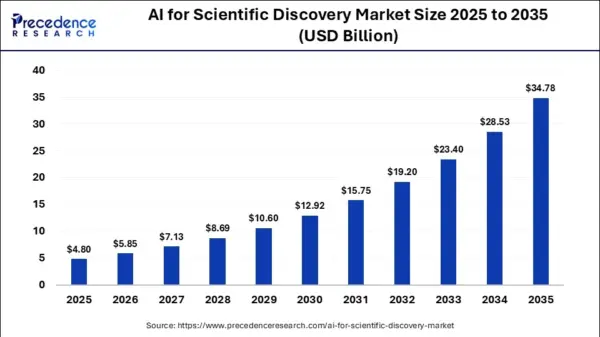
At the core of Gates’ optimism is AI, which he believes will accelerate scientific discovery, enhance medical diagnostics, personalize education, and optimize energy systems. These areas are increasingly attracting venture funding and public market interest. However, he also highlights potential risks associated with AI, including its misuse by malicious actors, exacerbation of inequality, and the possibility of displacing workers faster than economies can adapt. Gates argues for evolving governance and policy frameworks to ensure that AI’s benefits are equitably distributed.
In his outlook, Gates poses three pivotal questions that he believes will define global progress in the years ahead: Will rising wealth lead to greater generosity? Will innovation be scaled in ways that reduce inequality? Can societies manage the disruptions AI will bring to labor markets? Each of these inquiries directly addresses capital allocation decisions that investors face today.
The question of generosity challenges affluent individuals and institutions to rethink their roles in philanthropy and mission-driven investing. Gates frames giving not merely as charity but as a strategic tool to address gaps where markets and governments have fallen short. This perspective emphasizes the importance of collaborative efforts in driving social progress.
Addressing Climate Challenges
On climate issues, Gates stresses the urgency of developing and scaling new technologies to reduce emissions, arguing that market forces alone will not suffice to facilitate the transition. He insists that both public policy and targeted private investment are essential, reinforcing the growing focus among financial advisors on sustainable infrastructure, clean energy innovation, and climate-focused funds.
Education is another domain ripe for AI transformation, with Gates emphasizing the role of personalized learning tools that adapt to individual students. This vision supports ongoing investor interest in education technology while highlighting the critical need for equitable access to digital infrastructure and AI resources.
Ultimately, Gates’ outlook provides a framework for aligning wealth with long-term trends in technology, human capital, sustainability, and global health. As investors evaluate the explosive growth potential of AI alongside its systemic risks, Gates underscores that capital allocation choices will significantly influence whether innovation fosters shared prosperity or exacerbates existing divides. The year ahead presents both challenges and opportunities that will require proactive engagement from stakeholders across the spectrum.
For further insights into the implications of AI on investment and social challenges, please visit Microsoft, OpenAI, and UNICEF.
See also Google and Character.AI Settle Lawsuits Linked to Teen Suicides for Unspecified Amount
 Tempus AI Surges 12% Pre-Market on $1.27B Revenue Forecast and Record Contracts
 Local Governments Must Balance AI Innovation and Regulation to Avoid Algorithmic Bias Risks
 Google DeepMind CTO Kavukcuoglu: AGI Development Lacks Clear Recipe Despite Progress