





































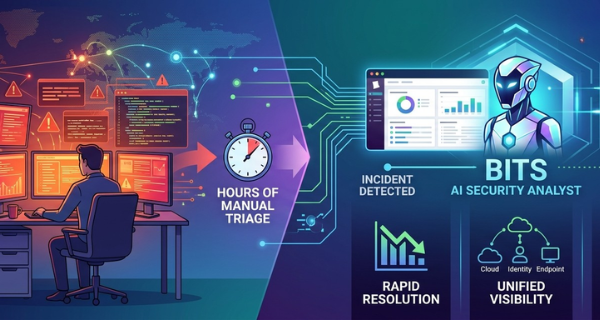







This week, the cybersecurity landscape has highlighted a significant gap between the sophistication of threats and the preparedness of organizations. With AI agents operating without oversight, social media emerging as a primary attack vector, and cyber risks increasingly intertwined with logistics connectivity, security is transforming into a systemic business risk rather than merely an IT concern. As quantum computing advances, it threatens to render current encryption methods obsolete, while geopolitical developments are reshaping the entire threat environment. In this context, Mexico’s reliance on basic cybersecurity measures unveils a dangerous complacency.
The findings of Minsait Cyber indicate that by 2026, key trends such as geopolitical tensions, AI-driven threats, and heightened data protection will define the global cybersecurity landscape. Organizations are urged to transition from reactive strategies to a comprehensive operational resilience framework. This proposed shift necessitates an architectural reconfiguration, especially to safeguard industrial infrastructures and software supply chains across Latin America.
As digital technologies proliferate, the logistics sector in Mexico faces increasing cyber risks due to enhanced connectivity through telematics and Global Positioning Systems (GPS). These advancements, while beneficial, have also created vulnerabilities that can lead to significant operational disruptions. Frequent digital interruptions in logistics networks can escalate into business continuity threats, amplifying the need for robust security protocols.
Alarmingly, a substantial number of Mexican firms are relying on basic cybersecurity measures. According to a recent survey, 25% of large companies and 11% of startups in Mexico report experiencing daily cyberattacks. Despite this, 41% of organizations still protect their data using simple passwords. While 65% of regional entities claim to feel prepared, the reality reflects a trend of minimal investment in cybersecurity, leaning heavily on reactive defense mechanisms. This creates a false sense of security that not only jeopardizes individual firms but also threatens broader economic development and digital trust.
The deployment of AI agents in corporate environments is another area of concern. A recent report from Gravitee reveals that out of approximately 3 million AI agents utilized by large corporations in the United States and the United Kingdom, around 47% operate without any form of oversight. This lack of governance increases vulnerability to security breaches, data leaks, and unintended operational behaviors, underscoring the urgent need for regulatory frameworks governing AI use in business.
Meanwhile, the rapid transition of quantum computing from experimental stages to operational realities is posing new challenges for data security. Current asymmetric encryption standards are now at risk, prompting organizations like Palo Alto Networks to adopt post-quantum cryptography frameworks aimed at ensuring long-term data integrity against emerging decryption capabilities. This strategic shift reflects an industry-wide acknowledgment of the impending quantum threat.
Social media has also emerged as a significant cyber risk vector. In 2025, platforms began to replace traditional email as the primary means of cyberattacks, as automation and AI have facilitated a rise in fraud and identity theft. This shift underscores a transition from conventional, email-based threats to more sophisticated strategies that exploit interpersonal trust and engage in automated credential harvesting.
As companies navigate this evolving threat landscape, the imperative for proactive and comprehensive cybersecurity strategies has never been clearer. The interconnectedness of various sectors and the reliance on digital infrastructure necessitate a paradigm shift in how organizations approach cybersecurity, moving beyond simplistic measures to adopt holistic frameworks that ensure resilience against both existing and emerging threats.
As we look ahead, the challenges presented by AI, quantum computing, and geopolitical tensions will require businesses to rethink their security strategies fundamentally. This evolution is not just about technology; it involves a cultural shift within organizations, prioritizing cybersecurity as an integral component of business strategy rather than an isolated IT concern. The future of cybersecurity will depend on the ability of organizations to adapt and evolve in an increasingly complex digital world.
See also AI-Powered Smartphones: How Your Device Transforms Daily Life with Invisible Intelligence
 IREN Stock Rises 5.1% as $3.6B Microsoft AI Financing Sparks Investor Interest
 Samsara Launches AI Coach Amid Canadian Expansion, Sparking Competitive Reassessment
 Amazon’s $200B AI Spend Plan Triggers 5.6% Stock Plunge, Market Cap Risks $200B Loss
 Waymo Utilizes DeepMind’s Genie 3 to Train Robotaxis in Virtual City Simulations