
















































Walmart and Google Forge New Era in Retail with AI Partnership
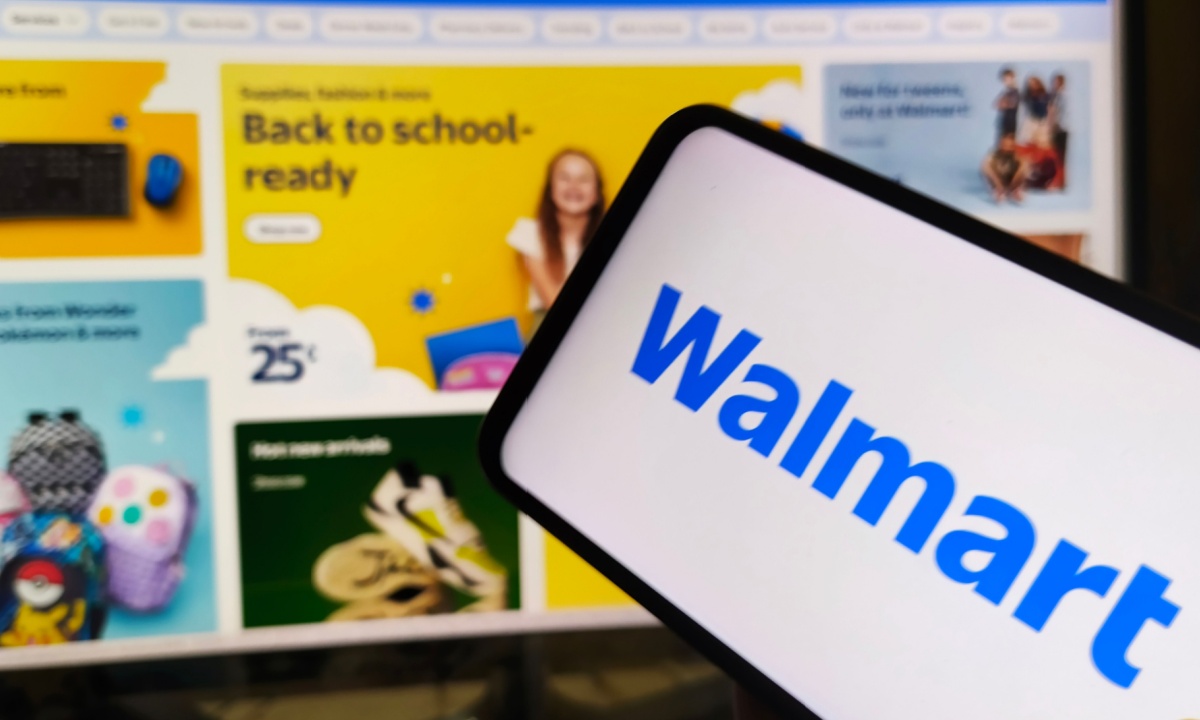
In a significant move that could redefine how consumers shop, Google and Walmart announced on Sunday, January 11, a partnership that integrates Walmart and Sam’s Club’s vast inventory into Google’s artificial intelligence assistant, Gemini. Leveraging Google’s Universal Commerce Protocol, the collaboration aims to transition retail from a conventional search-and-buy model to a more sophisticated, conversational, AI-driven “agentic commerce” approach.
The objective is to eliminate the friction between desire and purchase, enabling shoppers to browse, personalize, and finalize transactions via conversational AI. Daniel Danker, Walmart’s Executive Vice President of AI Acceleration, Product and Design, described the partnership as a “growth opportunity,” emphasizing how it will allow Walmart to “reach the customer where they are as commerce shifts.” He noted that many shopping occasions do not begin with explicit intent, and this new approach enables Walmart to serve those moments effectively.
Traditionally, eCommerce has relied on static search bars that guide customers through a series of product lists. However, this model is increasingly at odds with the expectations of modern consumers, who seek seamless and intuitive interfaces that anticipate their needs. The Walmart and Google collaboration seeks to flip this paradigm. Instead of entering keywords, consumers can interact with Gemini using natural language prompts, such as, “help me build a fall camping kit under $300,” or “I just spilled wine on my couch, what will get it out?” Gemini will access Walmart’s product catalog in real time, providing personalized recommendations and facilitating purchases directly within the chat interface.
Central to this innovative experience is the Universal Commerce Protocol (UCP)—an open standard supported by Google, Walmart, and other major retailers like Shopify and Wayfair. The UCP aims to streamline AI-retail interactions by allowing AI agents like Gemini to access essential data such as product catalogs, pricing, and checkout processes through a standardized system. This alignment is critical, as retail systems are often fragmented, with various platforms managing search, inventory, payments, and customer loyalty separately. By establishing a cohesive infrastructure through UCP, Google and Walmart endeavor to create a smooth interaction where AI can effectively retrieve and utilize commerce data.
Walmart is also eyeing applications beyond eCommerce. During the investor call, Danker highlighted the ambition to digitize the in-store experience, stating, “We’re going to do less scrolling as our products understand our customers better.” This suggests a dual strategy that spans both online and physical retail environments.
The collaboration aligns with broader trends in the retail landscape, as articulated by PYMNTS CEO Karen Webster, who recently outlined ten structural shifts reshaping payments, commerce, and the AI economy. Webster emphasized that agentic commerce changes the dynamics of retail competition, platform monetization, and consumer purchasing decisions. The advent of smart agents will automate the processes of searching, comparing, and deciding, allowing consumers to delegate these tasks to software that acts in their best interest.
Moreover, Webster noted that the industry has reached a tipping point in AI adoption. “Enough organizations crossed the line from experimentation to use that the argument about whether AI is ‘real’ has largely been resolved,” she stated. This sentiment is echoed by PYMNTS Intelligence’s research, which indicates that nearly 70% of consumers are interested in using AI agents to simplify shopping tasks, with more than half expressing a desire for autonomous agents to handle their weekly grocery shopping.
Ultimately, the partnership between Walmart and Google represents a strategic bet on the future of retail being contextual, proactive, and personalized. By embedding Walmart’s extensive inventory into Google’s conversational AI framework, both companies are positioning themselves at the forefront of a potential paradigm shift in consumer interaction with commerce. As execution unfolds, the implications of this transformative initiative could redefine retail experiences for consumers in the years ahead.
See also Apple Teams Up with Google to Enhance Siri with Gemini AI Model for 2026 Update
 Apple Partners with Google to Integrate Gemini AI into Siri, Launching by Late 2026
 AI Breakthroughs Propel Healthcare, Finance, and Logistics—Oracle, Google, and Microsoft Lead Charge
 Google Expands AI and Vietnam Phone Strategy as Meta’s Smart-Glasses Talks Stumble
 2026: AI and Quantum Computing Set to Revolutionize Business Strategies and Drug Discovery