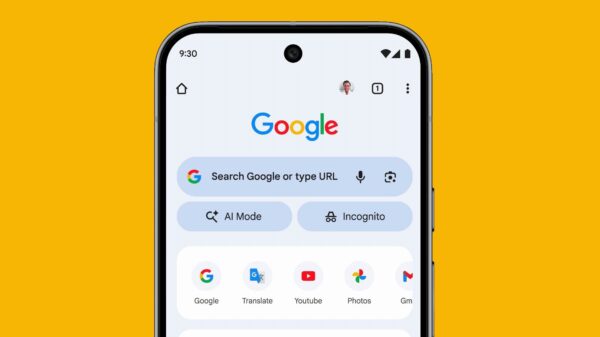











































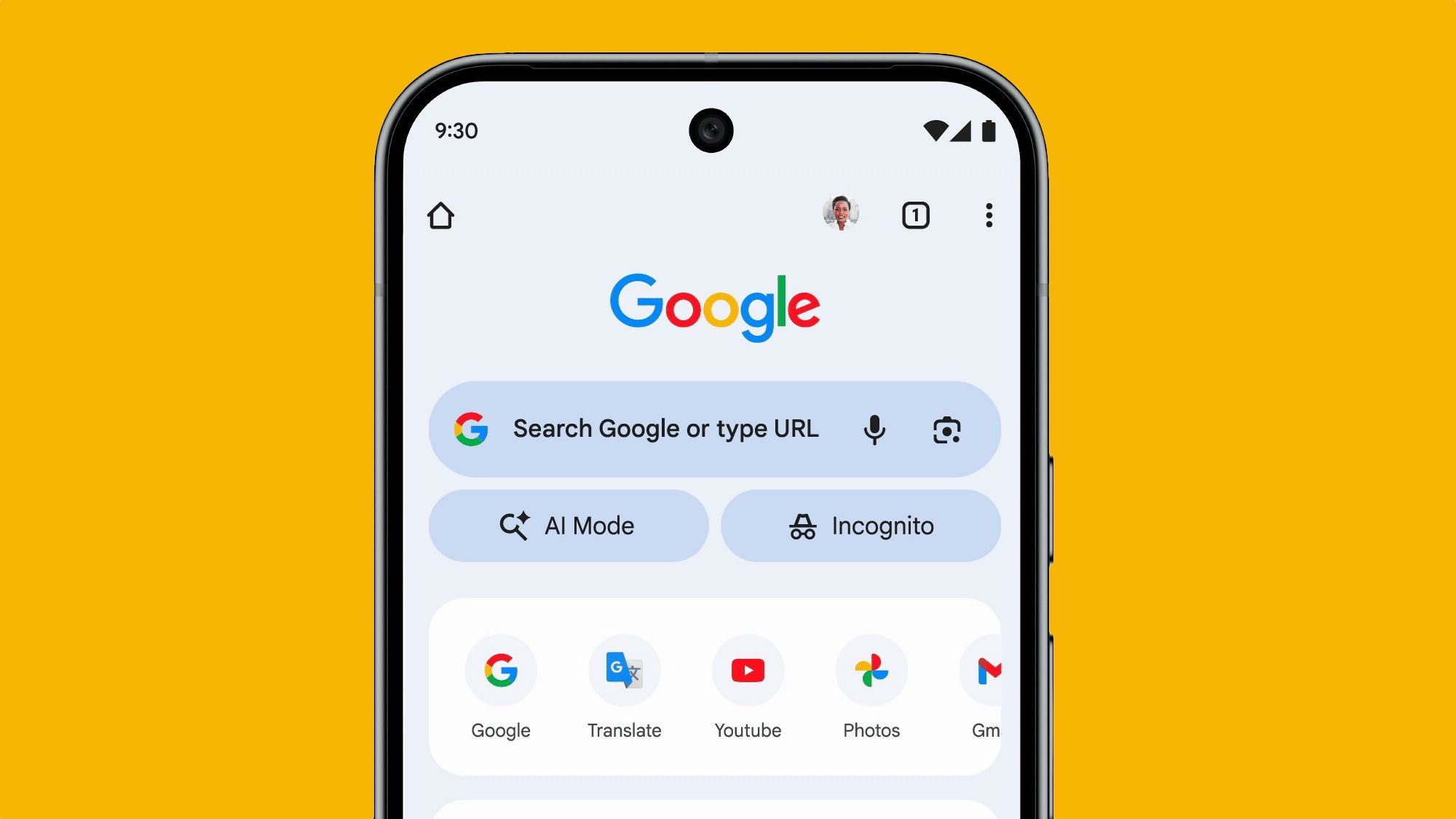
Google’s AI-powered search results are designed to streamline information retrieval, yet a recent analysis raises questions about their reliability. A report highlighted by Ars Technica indicates that Google’s AI Overviews—summaries that appear at the top of some search results—were found to be inaccurate approximately 10% of the time during testing. While this figure may initially seem insignificant, the implications of such errors are far more concerning.
The primary issue lies not in the frequency of inaccuracies but in their subtlety. Users typically expect AI-generated responses to be clear-cut, often imagining glaring mistakes akin to the notorious “hallucinations” associated with models like ChatGPT. However, the errors identified in Google’s AI Overviews are less overt; they often manifest as omissions of critical context, oversimplified explanations of complex topics, or the presentation of partially correct information as wholly accurate. This nuance complicates the user’s ability to discern accuracy, particularly since billions rely on Google for information daily.
Given the volume of searches conducted on the platform, even a 10% error rate can translate into millions of misleading or incorrect answers each day. Unlike traditional search results, which direct users to multiple sources for verification, AI Overviews often dominate the search results page, potentially dissuading users from seeking additional information. In this context, the AI response can effectively become the “final” answer, leading to a loss of essential details from original sources.
Moreover, the manner in which AI presents information exacerbates the situation. The confidence exuded in its responses can lead users to trust the information without question, even when it is incomplete or slightly inaccurate. The polished and authoritative tone of AI-generated summaries can create a psychological effect, leading users to perceive these answers as more reliable than they may actually be. The more convincing an answer sounds, the less likely individuals are to scrutinize it.
For users contemplating whether to trust Google’s AI responses, a cautious approach is advisable. While a 10% error margin may appear minor, the nature of the mistakes—often subtle and cloaked in confidence—makes them difficult to identify. Despite this, AI-generated summaries can still serve a useful purpose for quick overviews or initial research, providing users with a general understanding of topics. However, when precision and accuracy are paramount, users should seek additional verification before accepting these AI-generated answers as definitive.
See also Germany”s National Team Prepares for World Cup Qualifiers with Disco Atmosphere
 95% of AI Projects Fail in Companies According to MIT
 AI in Food & Beverages Market to Surge from $11.08B to $263.80B by 2032
 Satya Nadella Supports OpenAI’s $100B Revenue Goal, Highlights AI Funding Needs
 Wall Street Recovers from Early Loss as Nvidia Surges 1.8% Amid Market Volatility