






















































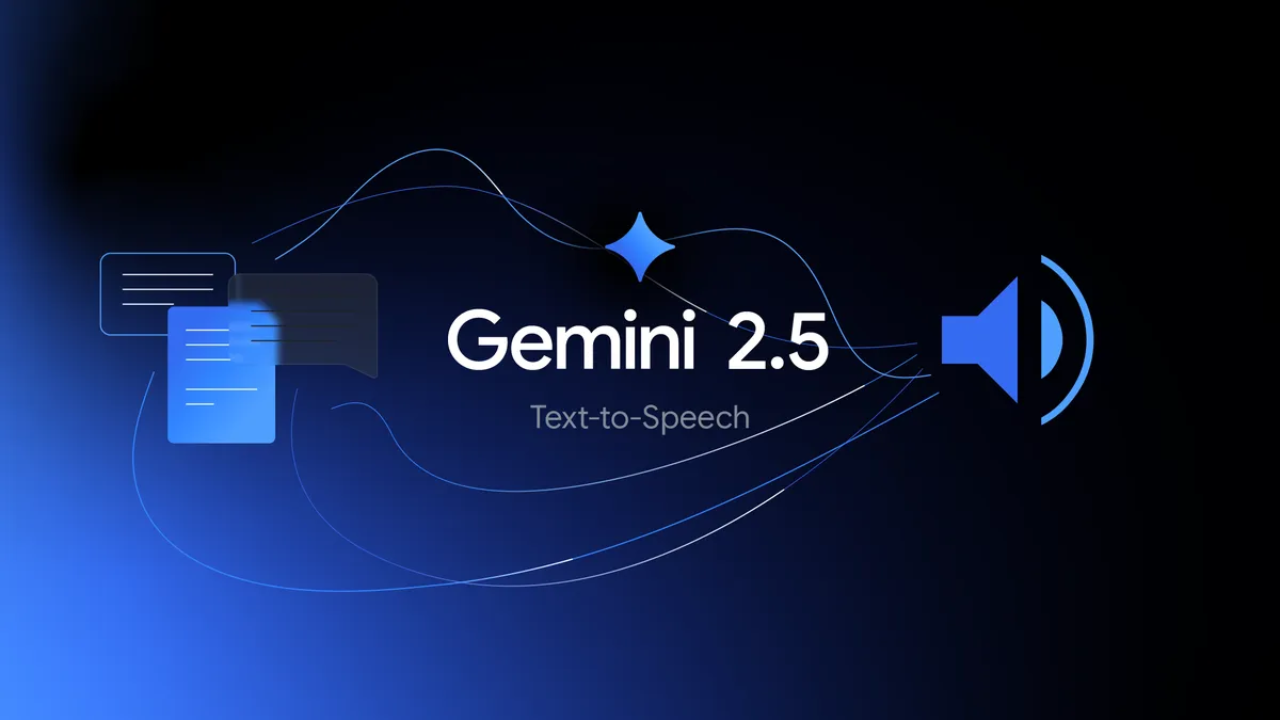
Google has rolled out an upgrade to its Gemini 2.5 Text-to-Speech (TTS) models, marking a significant enhancement in how machines articulate speech. This update aims to deliver a more natural auditory experience for millions of users worldwide, from voice assistants to audiobooks. The improvements not only refine the content’s delivery but also enrich its emotional resonance, making it more relatable.
The new Gemini 2.5 TTS is designed to mimic human speech patterns more closely than its predecessors. This includes enhanced voice expressiveness, allowing the technology to adjust its tone based on context. For instance, a virtual assistant now conveys cheerfulness when delivering good news or adopts a calm demeanor for serious instructions. Such nuanced vocal variations were previously infrequent, but the latest models are now adept at following style prompts, creating a more engaging user experience.
This upgrade is particularly significant for diverse global audiences. Whether in bustling New York or quieter regions in India, users across the spectrum will find audio applications—be they educational tools or storytelling apps—more inviting. The Gemini 2.5 TTS effectively addresses a gap in the market, enhancing content delivery for learners and listeners alike.
Another noteworthy feature of Gemini 2.5 is its context-aware pacing. The technology can shift its speed based on the content’s emotional context, which is crucial for comprehension. For example, it may speak faster during suspenseful moments or slow down to emphasize key points. This adaptability not only simplifies complex instructions but also makes online tutorials more digestible for learners around the globe.
The advancements extend to multi-speaker scenarios, a common requirement for podcasts and interviews. Gemini 2.5 ensures that different voices remain clear and distinct while maintaining a natural flow during conversations. This capability allows content creators to experiment with more complex dialogue formats, including automatically generating interactions between speakers of different languages while retaining unique vocal tones across 24 supported languages, such as Spanish, Mandarin, Hindi, and English. This feature significantly enhances global audio content by bridging language barriers.
Developers can access the Gemini 2.5 TTS models through the Gemini API on Google AI Studio. This platform offers two primary options: Gemini 2.5 Flash, which prioritizes rapid voice generation, and Gemini 2.5 Pro, focused on high-quality sound output. These tools can be utilized for various applications, including e-learning modules, marketing videos, and audiobooks.
The implications of this upgrade for everyday users are profound. Enhanced voice assistants, audiobooks, and language-learning applications will offer more fluid and natural interactions, appealing to a global audience from Berlin to Mumbai.
Ultimately, the Gemini 2.5 TTS update addresses a critical issue that often goes unnoticed: the stark difference between robotic and human-like speech. This advancement not only influences user engagement but also affects how easily people absorb information. With improved voice tech, millions—from students in Delhi to podcasters in New York—will find digital voices more approachable and less tedious.
For those reliant on voice interfaces or audio content, the new updates promise a more effective experience. Developers interested in exploring TTS capabilities can delve into Google AI Studio’s Playground to see how these advancements can elevate their applications. As Google continues to refine its TTS offerings, the future of audio interaction looks increasingly natural and engaging.
See also Anthropic Plans IPO Amid $183 Billion Valuation and Strong Market Sentiment
 Nvidia’s H100 Chip Powers First Space AI Training, Aiming for 5GW Data Center by 2026
 Azio AI Fuels Philippines’ Sovereign Investment Fund Revamp with Advanced AI Infrastructure Strategy
 OpenAI Launches GPT-5.2 with 40.3% Math Problem Accuracy and New Discovery
 Rivian Unveils Advanced AI Strategy with Custom Processor, Plans LiDAR for 2026 R2 Models