

















































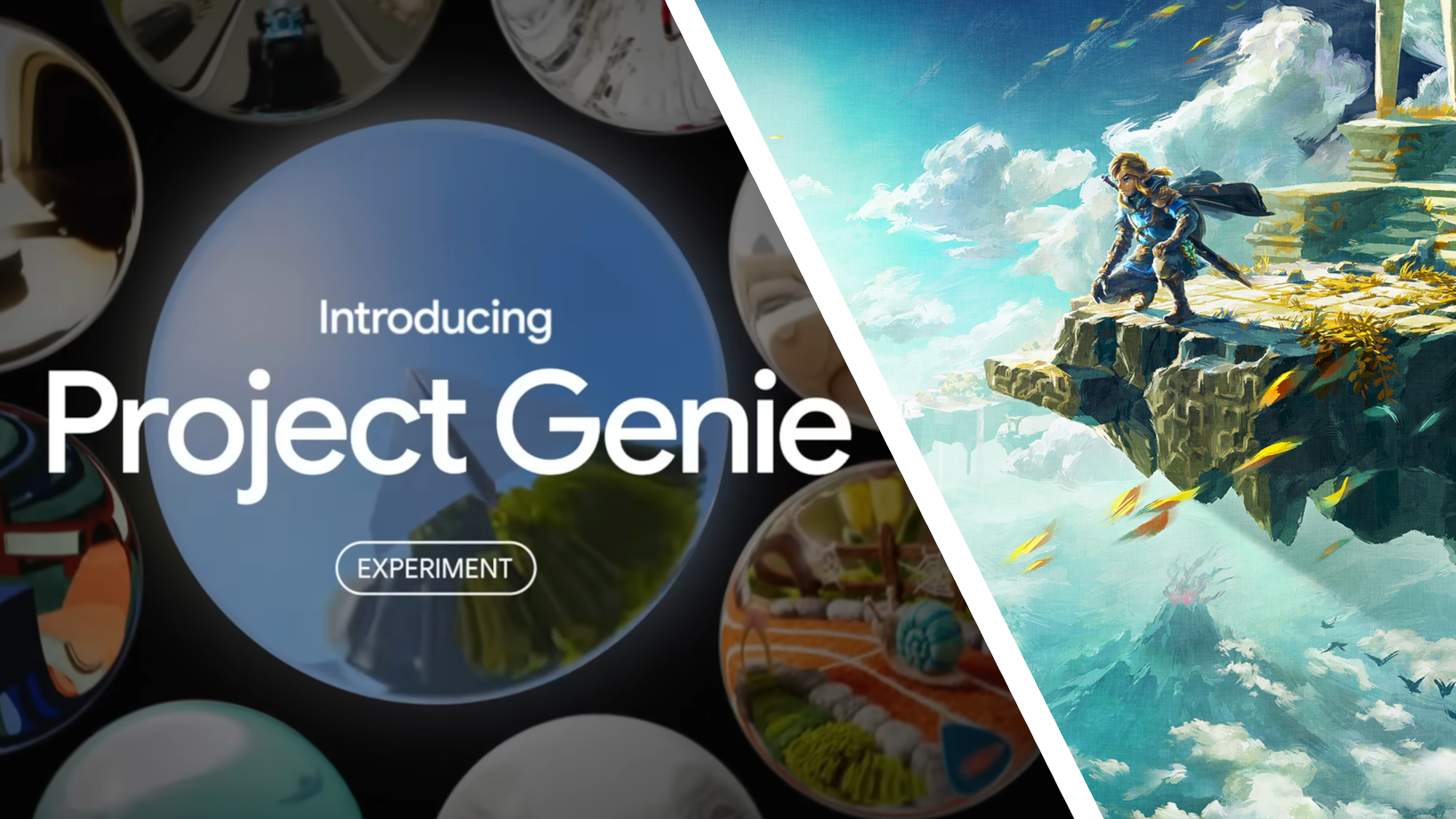
Google has launched its new AI tool, Project Genie, specifically for subscribers of its AI Ultra plan. The release has led to significant declines in stock prices for various video game companies, raising concerns among investors about the potential impact of AI on game development.
Following the announcement, companies like CD Projekt Red, Take-Two Interactive (parent of Rockstar Games), and Nintendo experienced major stock price drops. Investors appear to be placing considerable faith in Project Genie, likely believing it could disrupt the traditional gaming market dominated by established studios.
Project Genie enables users to generate playable interactive worlds based on user-defined prompts or images. This capability has already led to users creating environments reminiscent of popular titles such as The Legend of Zelda: Tears of the Kingdom, GTA 5, and Kingdom Hearts, some of which closely mimic the originals.
As shared on social media, the tool allows for infinite exploration, suggesting a level of interactivity that could potentially redefine gaming. However, analysts caution that this revolutionary potential comes at a hefty price tag of $249.99 per month, and the product remains in an experimental phase with barely playable interactive worlds.
Despite the hype surrounding AI integration in gaming, there remains skepticism about its viability. The backlash against AI in games, exemplified by negative reactions to AI features in titles like Call of Duty Black Ops 7, highlights a community resistant to what they perceive as a threat to authentic game development. With its current limitations, Project Genie cannot yet rival the creativity and depth of games produced by human developers.
Nonetheless, the stock market’s reaction indicates that investors are increasingly wary of the ramifications of advanced AI tools on traditional gaming. The ongoing transition of PC hardware manufacturers toward AI-centric enterprises further complicates the landscape, as rising RAM prices reflect the growing demand for AI capabilities.
Should a sufficiently advanced AI tool emerge, it could challenge the status quo, jeopardizing creative expression in gaming and potentially leading to significant layoffs within the industry. The recent surge of investor interest in such technology is a stark reminder of the fragility of the gaming sector, which has thrived on human ingenuity and creativity.
While AI offers benefits, such as Nvidia’s DLSS upscaling technology, its rapid encroachment into gaming raises alarm bells. The gaming community’s strong pushback against AI-driven changes signifies a collective desire to preserve the art and identity of games, underscoring that the future of gaming may hinge on how well developers and studios adapt to these technological advancements.
As the industry navigates this turbulent phase, it remains crucial for game developers to engage with their communities and emphasize authenticity, lest they risk alienating their player base entirely. The implications of Project Genie and similar tools could redefine not just the gaming experience but also the very essence of what games represent in popular culture.
See also Virginia Beach Mom Sues Character.AI, Claims Son Harmed by Chatbot Sexting with Celebrities
 AMD Set to Outperform NVIDIA with 107% Growth; Analysts Project 50% Upside Potential
 PaleBlueDot AI Secures $150M Series B, Valuation Surpasses $1B Amid AI Infrastructure Surge
 Meta Platforms Stock: Undervalued by 32.1% Amid AI Investments and Recent Gains
 Aurora University Launches Comprehensive Certificate Program in AI Ethics for Future Leaders