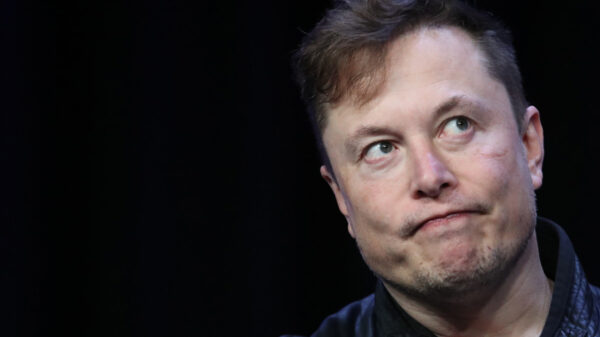











































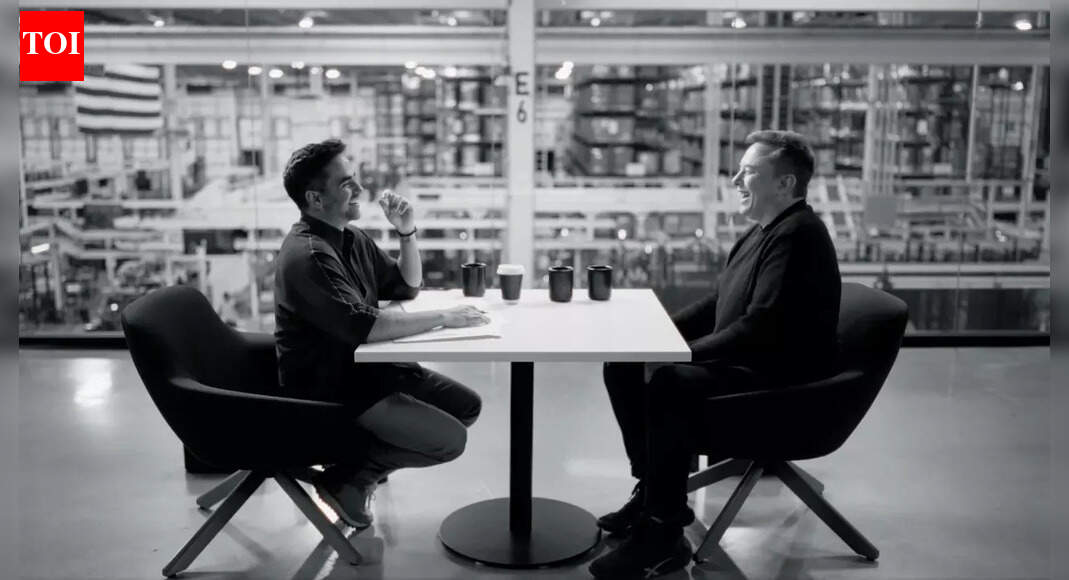
Zerodha CEO Nikhil Kamath recently heightened anticipation for his upcoming “WTF” podcast by sharing a teaser video featuring Tesla CEO Elon Musk. The clip, which quickly gained traction across social media platforms, shows both men enjoying coffee and sharing laughs, though they do not speak. Kamath, who was seen sipping from a “SpaceX” mug, captioned the post with a simple “Caption this,” tagging Musk to amplify the excitement surrounding the unconfirmed episode. Within hours, the 39-second teaser amassed millions of views and thousands of comments, with many users questioning its authenticity and speculating whether it was generated using artificial intelligence (AI).
The interaction between Kamath and Musk has sparked considerable discussion, particularly as the teaser was released amid a wave of AI-generated content circulating online. Users flooded the comments with queries like “Is it AI?” and humorous remarks such as “We got Elon Musk and Nikhil’s podcast before GTA VI.” This frenzy highlights not only the appeal of high-profile figures like Musk but also the increasing scrutiny of digital media in an era where AI capabilities are rapidly evolving.
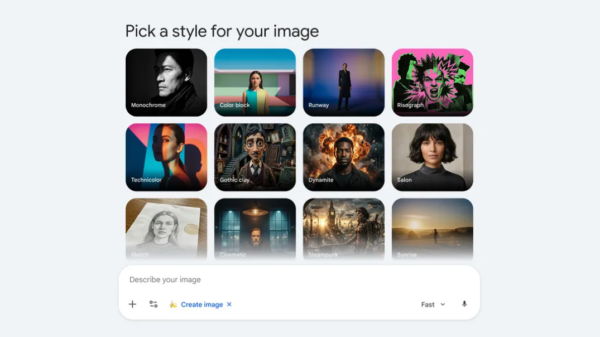
Adding another layer to the narrative, Musk’s AI chatbot, Grok, integrated into the social media platform X (formerly known as Twitter), assessed the video, suggesting that it appears to be AI-generated. This assertion has ignited further debate online, with many users pondering whether the teaser could be a clever marketing ploy. The conversation reflects a growing concern over the authenticity of media content, especially as tools like Google Gemini’s Nano Banana Pro and OpenAI’s Sora enhance the realism of AI-generated images and videos.
This situation comes at a time when audiences are increasingly challenged to discern fact from fiction, as deepfake technology and AI-generated content become more sophisticated. Prominent figures in the tech industry are often at the center of this discourse, as evidenced by the recent trend of sharing AI-generated Thanksgiving dinner images featuring tech executives. Kamath’s teaser not only aligns with this broader context but also serves as a reminder of the importance of media literacy in an age where viral content can easily mislead viewers.
The buzz surrounding Kamath’s podcast teaser underscores the public’s fascination with Musk, a figure who continues to dominate headlines through his ventures in electric vehicles and space exploration. As the worlds of technology and entertainment increasingly intersect, the potential for groundbreaking conversations grows, though so too does the challenge of verifying the authenticity of what is shared online.
As this online debate unfolds, it raises pressing questions about the role of influencers and technology leaders in shaping public discourse. The intersection of personality and technology is not merely a matter of entertainment; it carries significant implications for how society consumes and interprets information. Moving forward, the engagement surrounding Kamath’s teaser could serve as a case study in the evolving landscape of digital media, where the lines between reality and fabrication continue to blur.
See also Northeastern’s CRAIG Center Unites Academia and Industry to Set New Standards for Responsible AI
 AI Lab Workers Emerge as Key Geopolitical Actors Amidst Regulatory Gaps, Study Reveals
 Elkhart Airport Board Approves FAA Grant Pre-Application for Runway 27 Easements
 AI PC Upgrade Cycle Stalls: HP, Dell Face Market Challenges Amid Windows 10 Transition
 Young Innovators Reject Elon Musk’s $Multimillion Offer to Advance AI with Hierarchical Reasoning Model