























































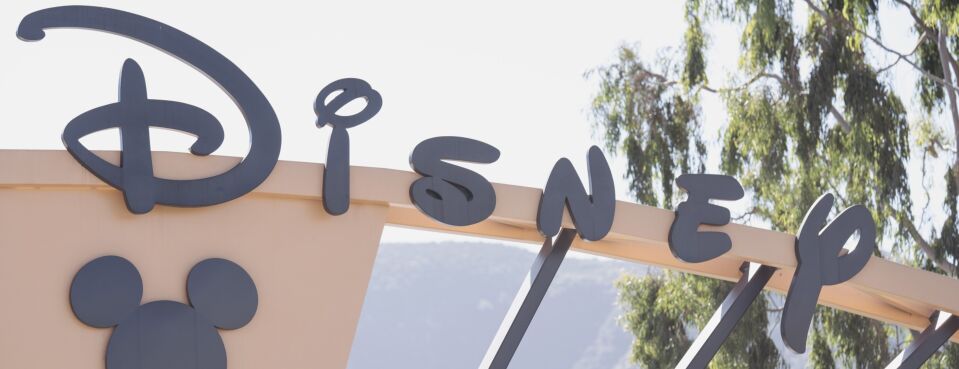
A federal judge has approved a request by Midjourney Inc. and Hollywood studios Disney Enterprises Inc. and Warner Bros. Entertainment Inc. to consolidate two copyright infringement cases involving the company’s AI image and video generator. The decision, made by Judge John A. Kronstadt, was recorded in an order filed in the U.S. District Court for the Central District of California on Tuesday.
The lawsuits brought by Disney and Warner Bros. share similar facts and claims, necessitating the court to issue comparable rulings. Both companies argued in a joint stipulation that consolidating the cases would streamline proceedings and enhance judicial efficiency. In light of these arguments, Judge Kronstadt’s approval means that the cases will be heard collectively, including at trial.
The consolidation underscores the increasing tension between traditional media companies and the burgeoning field of AI-generated content. As AI technologies become more sophisticated, concerns over intellectual property rights and copyright infringement have risen sharply. Midjourney’s platform, which allows users to generate images and videos using AI, has attracted significant scrutiny from major content creators.
The lawsuits are part of a broader trend in the entertainment industry as companies seek to defend their intellectual property against what they perceive as potential threats posed by AI technologies. Disney and Warner Bros. have positioned themselves as protectors of their creative works, claiming that AI-generated content could infringe upon their copyrights and dilute the value of their intellectual properties.
As the case progresses, legal experts will be watching closely for its implications on copyright law, particularly in relation to AI-generated creations. The outcome could set important precedents regarding the extent to which AI-generated works can be considered original and whether they infringe on existing copyrights.
This legal battle highlights the challenges and uncertainties faced by both AI developers and traditional media companies as they navigate the evolving landscape of digital content creation. The outcome of the consolidated cases may have lasting effects on the future of AI in creative industries and how copyright laws adapt to technological advancements.
As the legal framework around AI continues to develop, stakeholders from various sectors will likely engage in ongoing discussions about the balance between innovation and protection of creative works. The resolution of this case may provide clarity on the rights and responsibilities of AI developers and users, which could influence future developments in the rapidly evolving field of artificial intelligence.
See also AWS CEO Envisions Billions of AI Agents Revolutionizing Enterprise Operations at Re:Invent 2023
 AI Competition Redefines Global Power: U.S. and China Race for Dominance in 21st Century
 Google DeepMind Partners with CFS to Accelerate Fusion Energy Development by 2027
 Google Accelerates AI Growth, Boosting Cloud Capabilities and Investor Confidence
 Australia’s AI Strategy: Old Laws Risk Stalling Innovation and Global Competitiveness






