













































INDIA’S AI SUMMIT: ACCELERATING GROWTH WITH ETHICS
As India prepares for its largest-ever artificial intelligence summit, a dual focus on accelerating AI adoption while embedding strong ethical frameworks is set to dominate discussions. This shift in perspective marks AI development as not merely a technological pursuit but as an essential element of governance aimed at fostering sustainable economic growth. The upcoming summit is expected to be a pivotal platform for industry leaders to discuss these themes.
Industry executives are increasingly advocating for rapid technological advancement to coexist with a steadfast commitment to ethical AI. This sentiment was echoed by leaders from both global tech giants like Microsoft and domestic firms such as HCLTech. They argue that scale, responsibility, and trust must be interconnected to ensure ethical AI considerations evolve beyond mere theoretical discourse into actionable business strategies. Reports indicate that AI infrastructure investment is reaching nearly $70 billion, reflecting strong confidence in the sector while also raising questions about security, transparency, and compliance. Microsoft executives have underscored that transparency is non-negotiable, directly linking it to ethics and security.
Union Minister for Electronics and Information Technology Ashwini Vaishnaw highlighted a significant national initiative, noting that Indian IT companies have developed over 200 sector-specific AI models, many of which are expected to be unveiled at the summit. The government’s ambitious target of expanding AI infrastructure access and aligning industry-specific curricula with 500 universities seeks to create a robust pipeline of skilled professionals. However, this initiative comes against the backdrop of a global talent shortage exacerbated by competition from the United States and China, which dominate in R&D investment and venture capital funding for AI.
While India’s substantial $70 billion investment in AI infrastructure is a promising step forward, its success will hinge on the quality of the talent being developed and how effectively these models are integrated into real-world applications. Historical trends indicate that while positive policy announcements can yield short-term boosts for Indian IT stocks like HCLTech, which currently trades at a P/E ratio of approximately 25x, sustained growth will depend on execution and global demand trends rather than isolated domestic events.
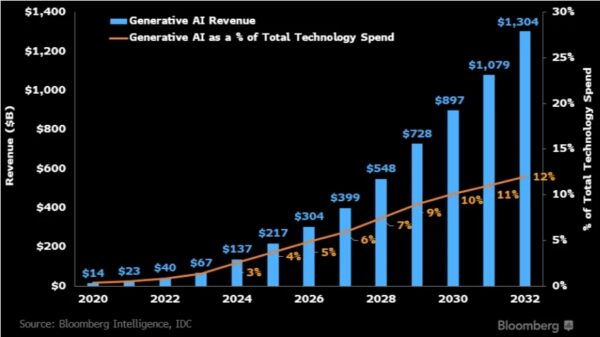
The journey towards ethical AI implementation faces significant challenges, particularly concerning ‘explainability’ and accountability. Leaders within the sector have made it clear that AI systems must not be deployed based solely on machine outputs; practical examples, such as loan rejections, demand justifiable reasoning. The complexity of understanding machine behavior represents a considerable barrier to widespread adoption. Ensuring clear ownership of deployed systems, establishing auditable decision pathways, and creating robust governance mechanisms for both overrides and decommissioning are essential steps. Accountability is seen as a cornerstone that supports other safeguards, including safety and privacy. As the global AI market is projected to grow towards $1.8 trillion by 2030, building trust through verifiable processes will become increasingly critical for India’s evolving AI ecosystem.
Despite strong government backing and hefty investments, numerous risks threaten India’s AI trajectory. The rapid rollout of over 200 sector-specific AI models carries the risk of ethical missteps or algorithmic bias that could provoke regulatory scrutiny or diminish public trust. Unlike more mature markets that enforce stringent data governance frameworks, India’s strategy must harmonize the pace of innovation with robust safeguards. Furthermore, while the talent development initiative is commendable, concerns persist regarding whether the skills acquired will meet the demands of advanced AI research and development. The competitive global landscape, dominated by countries like the U.S. and China with deeper pools of specialized talent, necessitates that India’s strategy ensures a genuine competitive advantage rather than merely a quantitative increase in capabilities.
Looking forward, the success of India’s AI initiatives will depend heavily on the effective implementation of its ethical guidelines and talent development programs. Analysts view the foundational investments favorably, acknowledging the significant potential for India’s IT sector, including companies like HCLTech, to capitalize on enterprise AI adoption. However, the emphasis remains on execution. While NVIDIA and Microsoft are recognized as leaders in AI innovation, the performance of Indian IT service providers will rely on their ability to integrate advanced AI capabilities into client solutions while navigating complex ethical considerations. The government’s ongoing commitment to university partnerships and infrastructure development suggests a long-term strategy, but how these initiatives manifest into deployable, trustworthy AI solutions capable of competing globally will be a focal point of scrutiny.
See also Meta’s Child Safety Lawsuit Advances Amid $10B AI Data Center Energy Crisis
 Australia’s Economy Faces Inflation Risks Amid AI Investments and Geopolitical Tensions in 2026
 AI’s Limitations Exposed: Skyscraper and Trombone Illustrate Lack of Common Sense
 Amazon Defends $200B AI Investment, Reports 14% Revenue Growth in Q4 2026
 Anthropic’s AI Disruption Triggers $1 Trillion Market Shift, Impacts Energy Sector Investments