






























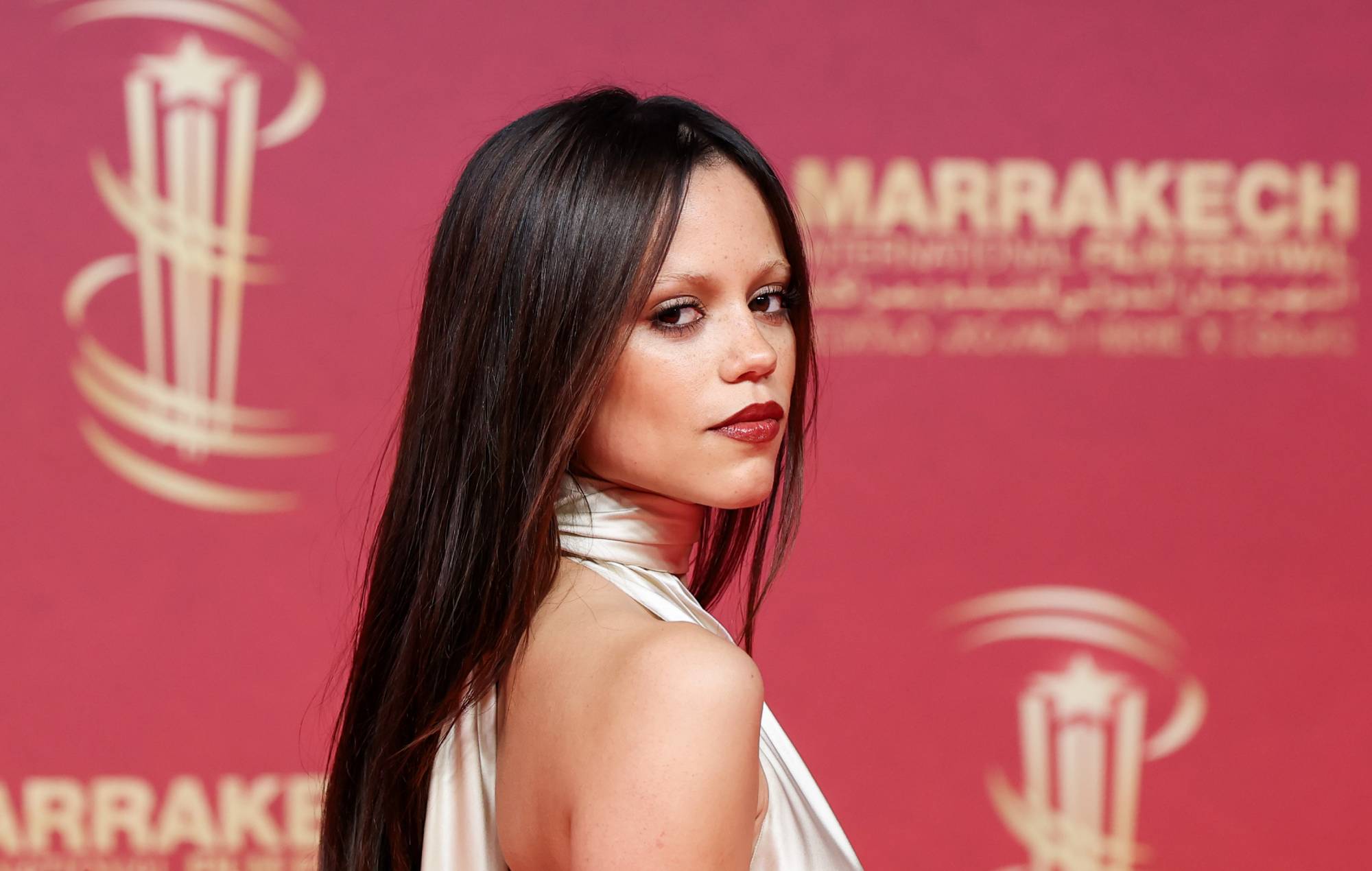
Jenna Ortega has expressed her concerns and hopes regarding the rising use of artificial intelligence in filmmaking, stating that it’s “very easy to be terrified.” The actress, known for her role in Wednesday, shared her thoughts during a press conference at the Marrakech Film Festival on November 29. Reflecting on the historical trajectory of humanity, she noted, “We just always take things too far, and I think it’s very easy to be terrified, I know I am, of deep uncertainty.”
Ortega indicated that the advent of AI in the film industry feels akin to “opening Pandora’s box.” Despite her apprehensions, she remains optimistic about the potential for AI to assist in artistic endeavors. “In these difficult and confusing times, oftentimes it pushes the artist to speak out more, to do more, for there to be this new awakening and passion and protection, and I want to assume and hope that that’s the case,” she commented.
However, Ortega emphasized that there are intrinsic qualities of human creativity that AI cannot replicate. “There’s beauty in difficulty and there’s beauty in mistakes, and a computer can’t do that. A computer has no soul,” she remarked. She went on to express her concerns that AI could become akin to “mental junk food,” suggesting that audiences might need to experience a lack of quality content to truly appreciate artistic endeavors.
The conversation around AI in entertainment has intensified recently, particularly following a controversial introduction of an AI-generated actor named Tilly Norwood by Dutch performer Eline Van der Velden. This initiative raised eyebrows among industry professionals, including actors such as Emily Blunt and Natasha Lyonne. Veteran actor Morgan Freeman also shared his disapproval, stating, “Nobody likes her because she’s not real and that takes the part of a real person, so it’s not going to work out very well in the movies or in television.” Freeman underscored the role of unions in protecting jobs for human actors amidst the AI surge.
Filmmaker James Cameron, who has been exploring ways to utilize AI technology to reduce production costs, also voiced his concerns about the long-term implications of AI. He warned of a potential future reminiscent of the Terminator series, asserting that AI could never replace the need for human artists and actors.
In a related development within the music industry, AI-generated musician Xania Monet recently became the first known AI artist to achieve enough radio airplay in the United States to debut on a Billboard chart, reportedly signing a multimillion-dollar record deal with Hallwood Media. A recent study indicated that 97 percent of respondents “can’t tell the difference” between real and AI-generated music, highlighting the growing sophistication of AI-generated content.
As Ortega and other industry figures navigate the complexities introduced by AI, the conversation continues to evolve, raising questions about the future of creativity and authenticity in a landscape increasingly influenced by technology.
Marrakech Film Festival | Billboard | Hallwood Media | OpenAI | IBM Watson
See also Grok Analyzes Viral Teaser Video of Nikhil Kamath Meeting Elon Musk Amid AI Speculation
 Northeastern’s CRAIG Center Unites Academia and Industry to Set New Standards for Responsible AI
 AI Lab Workers Emerge as Key Geopolitical Actors Amidst Regulatory Gaps, Study Reveals
 Elkhart Airport Board Approves FAA Grant Pre-Application for Runway 27 Easements
 AI PC Upgrade Cycle Stalls: HP, Dell Face Market Challenges Amid Windows 10 Transition