



















































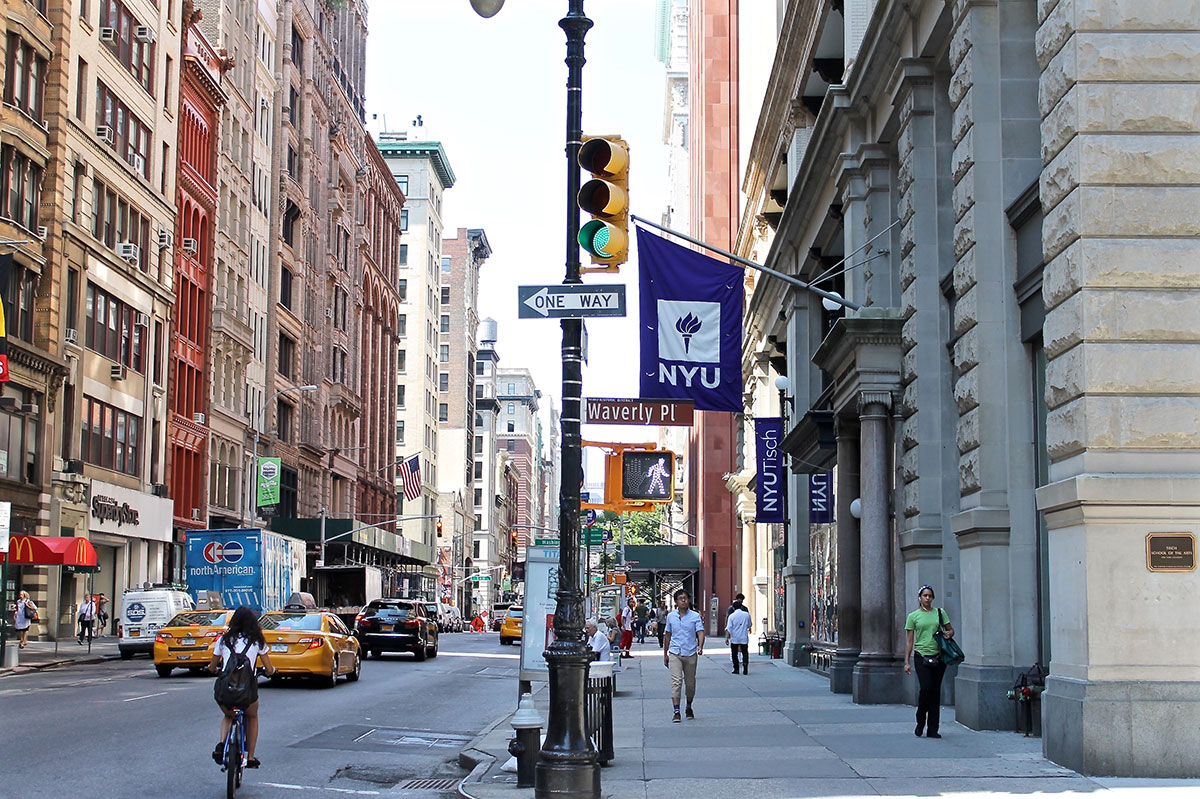
At a recent panel discussion in the MA Media Producing program, filmmakers explored the implications of artificial intelligence (AI) in the creative process. The dialogue, framed around the creator’s perspective, highlighted both the excitement and uncertainty surrounding AI’s potential role in filmmaking. Director and producer Kelly emphasized the necessity for filmmakers to navigate this evolving landscape with a focus on human intention. “The discussion made it clear that people are still trying to make sense of what AI actually is for us as filmmakers,” he remarked, summarizing the mixed feelings present in the industry.
During the panel, participants addressed key themes such as transparency, ownership, and the responsibility filmmakers hold in understanding the tools they employ. Kelly articulated that while AI can facilitate aspects of the creative process, it cannot substitute the unique experiences and instincts that inform storytelling. He noted, “It’s great for generating references or speeding up early idea work, but the heart of a film still comes from a person’s point of view.” This sentiment underscores a broader tension in the industry: the need to embrace new technologies while safeguarding the core elements of artistry and personal expression.
As AI continues to advance, its applications in the media sector are becoming more prevalent. From script generation to post-production effects, AI tools are poised to transform how stories are crafted and delivered. However, the filmmakers at the panel expressed a collective concern regarding the potential for these technologies to dilute the human essence in storytelling. Many agree that the integrity of creative work hinges on a delicate balance between leveraging AI’s capabilities and maintaining a strong human narrative.
Furthermore, the discussions raised questions about ownership of AI-generated content. With AI systems capable of producing work at unprecedented speeds, the line between human-created and machine-generated content may blur, raising legal and ethical implications for the industry. Filmmakers are urged to be proactive in establishing frameworks that define ownership and rights in an era where AI’s contributions could easily be mistaken for human creativity.
In this context, protecting the creative process becomes paramount. For Kelly and his fellow panelists, the goal is to ensure that the integration of AI enhances rather than detracts from the filmmaker’s vision. “Protecting creatives means protecting that point of view while still staying open to new tools,” he stated, reflecting a commitment to innovation that respects the artist’s voice.
As the film industry navigates this transformative phase, it remains essential for creators to engage in ongoing conversations about the role of AI. By fostering an environment of transparency and collaboration, filmmakers can better adapt to the changes brought about by technological advancement while preserving the heart of their craft. The panel concluded that understanding the implications of AI is not just a technical challenge, but a creative imperative that could shape the future of storytelling.
Looking ahead, the challenge will be for filmmakers to harness the benefits of AI without compromising their artistic integrity. As the technology continues to evolve, maintaining a dialogue about its usage and ethical considerations will be critical in ensuring that human creativity remains at the forefront of the filmmaking process. The commitment to balancing innovation with artistry could define the next chapter in the relationship between AI and film.
See also Google and UCSB Unveil AI Efficiency Breakthrough, Cutting Costs by Over 30% with Budget Tracker
 CHROs Lead AI Integration: Transforming Workforce Dynamics and Driving Business Strategy
 AI Artist Transforms Bollywood Icons Rekha, Hema Malini, and Madhubala in Modern Fashion Showcase
 Traffic Surge Causes CloudFront Connection Failures, Disrupts Major App Access
 Chai Discovery Secures $130M to Propel AI-Driven Drug Development, Valued at $1.3B






