







































Global markets are showing signs of early stress as investors grapple with multiple risks that could escalate volatility in the coming sessions. The immediate catalysts include U.S. actions related to Venezuela and broader foreign policy shifts, which have sparked concerns about energy supply and geopolitical tensions. Additionally, the rapid evolution of generative AI presents significant policy and competitive implications, while an upcoming decision from the U.S. Supreme Court on presidential authority could reshape political risk domestically.
Equity markets are particularly sensitive to policy and legal uncertainty, especially as large-cap technology firms have come to dominate major indices. Companies within the tech and AI sectors account for approximately a third of the S&P 500 market capitalization, which heightens exposure to sector-specific regulatory changes and investment trends. As investors reassess growth expectations and potential regulatory costs associated with AI-intensive businesses, market breadth has narrowed, and indicators of volatility have increased.
Commodities are also reacting sharply to geopolitical developments. Renewed U.S. pressure on Venezuela, a nation that previously exported over 1 million barrels of oil per day, has led to a premium on crude prices as traders reevaluate downside risks to Venezuelan production and the stability of broader Latin American markets. This emerging risk premium could lead to higher prices for Brent and WTI crude, complicating inflation dynamics and central bank strategies.
Safe-haven assets are experiencing increased demand as investors seek refuge amid uncertainty. U.S. Treasury yields have shown mixed movements, with short-term bills attracting significant interest while real yields remain elevated following central banks’ indications of a prolonged period of high interest rates. Precious metals like gold have also seen modest gains as options and hedge funds purchase protections against sudden market shocks. Emerging-market assets are particularly vulnerable, as local-currency bonds and equities tend to decline in value during periods of heightened global risk aversion and a firming dollar.
The uncertainty surrounding U.S. policy is amplifying these market drivers. The impending Supreme Court ruling introduces a new layer of political risk, which may have significant fiscal and governance repercussions. Markets generally react negatively to policy ambiguity, as it clouds fiscal outlooks, complicates regulatory timelines, and can alter election dynamics crucial for long-term economic policies. Meanwhile, central banks face the challenge of balancing inflation control against the economic consequences stemming from geopolitical shocks and rising risk premiums.
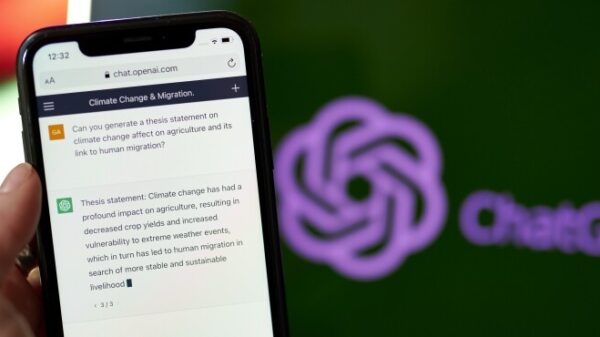
The surge in AI technologies is further complicating the investment landscape, leading to both concentrated returns and rapid, often unpredictable regulatory responses. Capital is being funneled into AI-related infrastructure and chipmakers, but elevated valuations heighten sensitivity to profit-taking and news-driven re-ratings. In the fixed-income arena, enhanced productivity from AI could lower long-term inflation expectations, although short-term disruptions may pose inflationary risks by increasing energy and wage pressures.
As investors prepare for a week characterized by sharp headline-driven market movements, many are adjusting strategies by shortening duration, widening option protections, and trimming concentrated equity positions. Market-makers have noted thinner liquidity around imminent geopolitical flashpoints and significant U.S. legal rulings, which can increase the cost of hedging. For policymakers, the immediate challenge will be to manage shocks without undermining long-term commitments to price stability and orderly markets. If volatility continues, this scenario could accelerate portfolio rebalancing toward diversified risk premiums and intensified scrutiny of geopolitical supply chains, which are already reshaping global investment strategies.
The integration of policy uncertainty into market dynamics poses significant ramifications for future investment decisions and economic stability. How stakeholders respond in the face of these evolving risks will be critical in navigating the potential turbulence that lies ahead.
U.S. White House | Nvidia | OpenAI | Surveillance on Geopolitical Tensions | World Gold Council | S&P Global
See also Agentic Discovery Hackathon to Propel Autonomous AI’s Role in Scientific Research
 Anthropic Seeks $10B in Funding as AI Bubble Concerns Rise Among Experts
 Lenovo Launches QIRA AI Agent and Gigafactory Partnership with NVIDIA at CES 2026
 Meta Platforms Faces Stock Dip Amid China AI Deal Concerns and Analyst Upgrades