













































The memory chip shortage that has strained supply chains for months may be on the verge of a critical turning point. Major players in the semiconductor industry, including Micron, Samsung, and SK Hynix, are confronting unprecedented demand for DRAM and high-bandwidth memory chips. Market analysts are now questioning whether the sector has already reached peak tightness, a pivotal consideration for businesses ranging from AI infrastructure builders to smartphone manufacturers, all eager to understand when relief might arrive.
Recent developments indicate that the memory chip market has reached an unforeseen inflection point. After enduring months of relentless supply constraints, segments of the semiconductor industry are beginning to reevaluate the severity of the shortage. The outcome of this reassessment could significantly reshape pricing dynamics across the tech landscape.
Currently, Micron, Samsung, and SK Hynix together control approximately 95% of global DRAM production. All three companies are grappling with a harsh reality: the soaring demand for high-bandwidth memory (HBM) to support AI training clusters is outpacing the production capabilities of their fabrication facilities. Simultaneously, traditional DRAM used in servers and smartphones is competing for the same manufacturing resources, leading to margins that have raised concerns about sustainability, even among the chipmakers themselves.
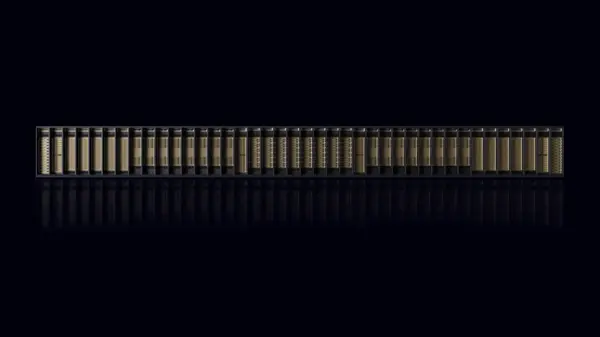
The genesis of the shortage can be traced back to late 2025, when Nvidia and various hyperscale cloud providers began stockpiling HBM3 chips intended for next-generation AI accelerators. What initially began as strategic inventory accumulation quickly spiraled into a frantic industry-wide scramble as memory spot prices surged. Data from DRAMeXchange reveals that spot prices soared by 40% between October and January, followed by another 25% increase through February.
However, analysts have noted a notable shift in the landscape. This week, reports emerged indicating that DRAM contract pricing negotiations for the second quarter of 2026 are beginning to exhibit signs of resistance. Enterprise buyers, who have absorbed double-digit price hikes for three consecutive quarters, are now starting to push back. Many are delaying orders and exploring alternative architectures that utilize less memory per compute unit, illustrating a significant shift in purchasing behaviors.
Samsung faces particular challenges as it seeks to balance its memory division amidst a slowdown in smartphone demand. The company’s semiconductor unit has enjoyed record operating margins exceeding 45%, an unprecedented figure for commodity memory chips. Yet, this success has generated its own complications. Original Equipment Manufacturer (OEM) customers are actively attempting to design around costly HBM where feasible, while the company’s own device division has raised complaints regarding internal transfer pricing practices.
As the industry grapples with these complexities, the future of memory chip pricing hangs in the balance. The ongoing shifts in demand and production capacity could either alleviate the supply crunch or exacerbate it, depending on how the major players respond. The implications extend beyond just the semiconductor sector; they could significantly impact a wide range of technology applications, from cloud computing to consumer electronics.
In this climate of uncertainty, stakeholders across the technology spectrum will be closely monitoring the dynamics of the memory chip market as they navigate an increasingly complex landscape. As the industry looks ahead, the potential for both challenges and opportunities remains ever-present.
See also Germany”s National Team Prepares for World Cup Qualifiers with Disco Atmosphere
 95% of AI Projects Fail in Companies According to MIT
 AI in Food & Beverages Market to Surge from $11.08B to $263.80B by 2032
 Satya Nadella Supports OpenAI’s $100B Revenue Goal, Highlights AI Funding Needs
 Wall Street Recovers from Early Loss as Nvidia Surges 1.8% Amid Market Volatility