















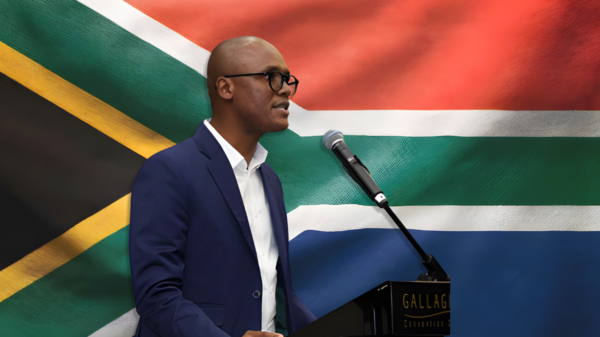














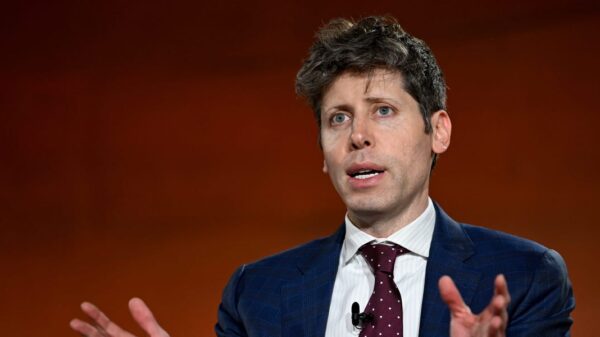







Mustafa Suleyman, Microsoft’s CEO of AI, has issued a stark warning regarding the impact of artificial intelligence on the workforce, particularly for those in white-collar jobs. In an interview with the Financial Times, Suleyman forecasted that many roles traditionally filled by office workers, such as lawyers, accountants, project managers, and marketing professionals, could see full automation within the next 12 to 18 months.
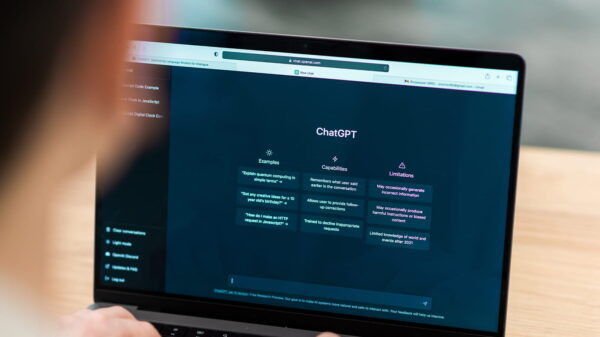
The rapid evolution of AI technologies like ChatGPT has prompted concerns about job displacement, reinforcing the long-standing apprehension surrounding the idea of “being replaced by robots.” Despite these fears, Suleyman emphasized that AI is intended to enhance human well-being rather than surpass it. He stated that Microsoft, which has a $135 billion stake in OpenAI, is committed to ensuring that AI tools remain under human control.
While acknowledging the potential for automation in white-collar sectors, Suleyman expressed optimism that AI will increasingly coordinate effectively with large businesses over the next three years and will be capable of self-improvement. He noted, “Creating a new model is going to be like creating a podcast or writing a blog,” suggesting that developing customized AI solutions will become more accessible for organizations and individuals alike.
He also stressed the importance of careful implementation, urging that any AI system introduced must be one that can be controlled and functions in a subordinate manner. This sentiment echoes broader concerns within the industry about the ethical deployment of AI technologies as they become more capable.
Adding to the urgency of the discussion, Kristalina Georgieva, managing director of the International Monetary Fund (IMF), warned at the recent World Economic Forum that AI could act like a “tsunami” hitting the labor market. She projected that 60 percent of jobs in advanced economies, and 40 percent globally, will be affected by AI, whether through enhancement, transformation, or elimination. Georgieva pointed out that the tasks most likely to be automated are often those performed in entry-level positions, making it increasingly difficult for young job seekers to secure meaningful employment.
Microsoft has already identified 40 occupations deemed most at risk from AI advancements, which include writers, historians, customer service representatives, and telemarketers. The implications of these changes will likely resonate across various sectors, forcing workers to adapt to a rapidly changing job landscape.
The conversation around AI in the workplace underscores a broader societal shift, drawing attention to the necessity for both businesses and employees to prepare for the transformative effects of artificial intelligence. As organizations integrate these technologies, the focus will need to balance innovation with the preservation of jobs and the ethical considerations surrounding AI deployment.
In this evolving environment, the next few years will be critical in shaping the future of work, as companies and workers alike navigate the challenges and opportunities presented by AI. The emphasis on human control and ethical application will be fundamental as society adapts to a new era of productivity.
See also Sundar Pichai Launches India-America Connect Initiative to Boost AI Infrastructure and Skills
 Perplexity Struggles as AI Search Rivalry Intensifies with Google and OpenAI
 Helen Andrews Misrepresents Impact of Affirmative Action on Asian Admissions at Harvard
 AI Infrastructure Boosts US GDP by 2%, Driving Demand for Energy and Compute in Crypto
 Mistral AI CEO: Over 50% of SaaS Spending Set to Shift to AI Solutions