









































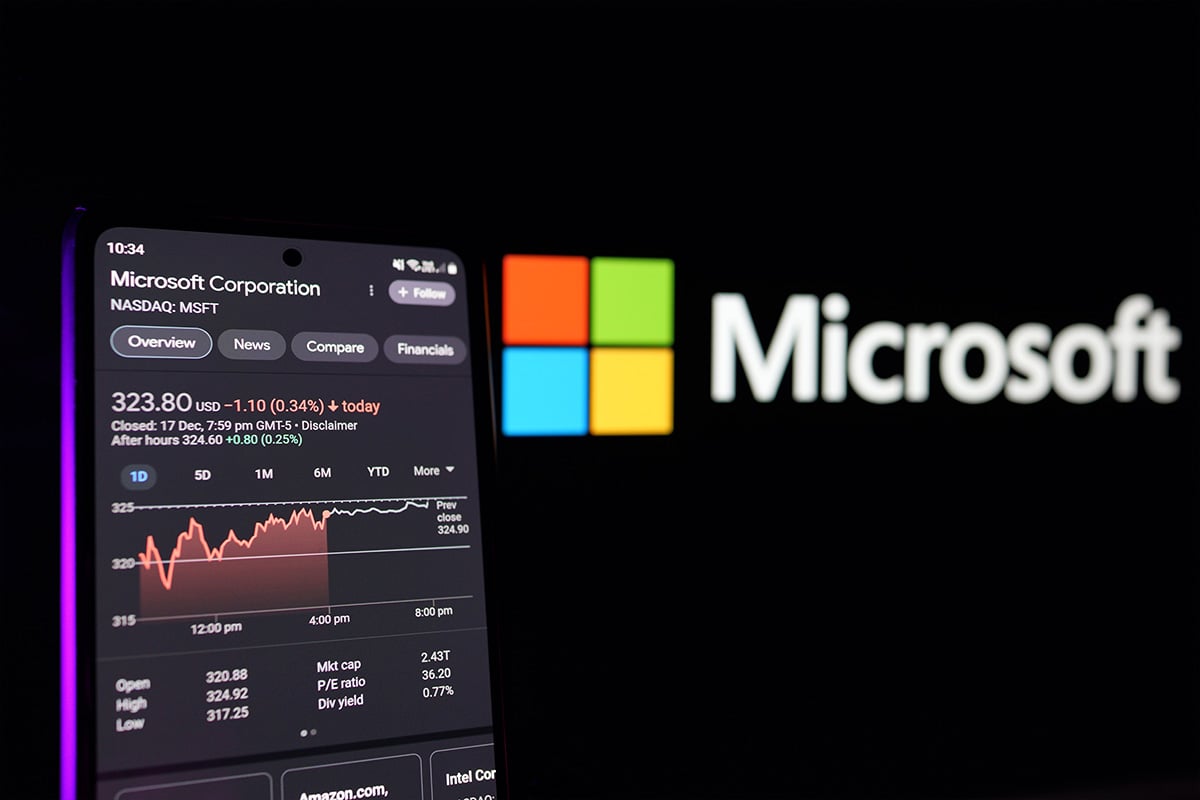
NEW YORK, Feb. 6, 2026 – Microsoft Corporation (NASDAQ: MSFT) experienced a significant decline in its stock price, falling approximately 5% on Thursday, despite the announcement of its AI QuickStart program in Singapore. This initiative aims to facilitate the adoption of artificial intelligence among small and medium-sized enterprises (SMEs) by allowing them to deploy AI solutions within three months at costs reaching up to S$20,000 (US$15,705).
The AI QuickStart program is supported by the Infocomm Media Development Authority (IMDA) and UOB, and is designed to provide curated AI solutions focused on customer engagement, operational automation, and content creation. By helping companies lower barriers to entry for AI technologies, the program is expected to bolster Microsoft’s influence in Asia’s rapidly evolving tech landscape.
Despite the strategic importance of the initiative, investors appeared cautious, which some analysts attributed to broader market volatility in tech stocks and profit-taking following recent gains. The reaction highlights the disconnect that can sometimes occur between long-term strategic initiatives and short-term market responses. Market observers noted that the immediate stock movements may be more influenced by trading dynamics than by the underlying business developments.
The AI QuickStart initiative aligns with Singapore’s Digital Enterprise Blueprint, a government-led strategy aimed at modernizing the local business ecosystem. Although digital tools like cloud computing and e-commerce have seen high adoption rates, only 4.2% of SMEs in Singapore employed AI technologies in 2023. Microsoft aims to address this gap, with a target of helping 15,000 SMEs integrate AI-enabled solutions over the next two years.
In addition to enhancing AI adoption, the program is expected to create opportunities for workforce development. Local talent will benefit from training and placement initiatives facilitated through partnerships with organizations such as AI Singapore, AWS, and Microsoft. This collaborative effort aims to strengthen the country’s skill base in artificial intelligence and boost employability in emerging tech roles.
Governance also plays a critical role in the program, as the IMDA is updating its AI frameworks, including the AI Verify tool, to mitigate risks associated with generative AI systems. The updated toolkits are designed in accordance with U.S. National Institute of Standards and Technology (NIST) standards, ensuring that SMEs can deploy AI safely and responsibly.
The potential for increased demand for AI-related skills among Singaporean workers is another important aspect of the initiative. The TechSkills Accelerator (TeSA) program will focus on training local professionals, while the IMDA plans to offer 800 job opportunities for AI practitioners. This focus on skill development is crucial in a market that is increasingly oriented toward advanced technologies, such as AI and machine learning.
Despite the strategic promise of the AI QuickStart initiative, MSFT’s stock decline underscores the complexities of the tech market. Analysts suggest that while the long-term implications of such initiatives may be favorable, immediate investor sentiment can be clouded by market conditions and speculative trading. This scenario illustrates the challenges companies face in balancing transformative strategies with the volatile nature of stock performance.
In conclusion, Microsoft’s AI QuickStart program represents a significant effort to enhance AI adoption among Singaporean SMEs, foster local talent, and strengthen governance frameworks around AI technologies. While the recent stock decline reflects caution within the investment community, the initiative could serve as a catalyst for increased digital transformation in the region, ultimately benefiting both Microsoft and the broader business ecosystem in Singapore.
See also Applied Materials Faces Export Delays to China Amid AI Demand Surge and Uncertainty
 New York’s RAISE Act Mirrors California’s AI Law, Setting Precedent for National Standards
 AI Artist Ai TOT Reimagines 32 Bollywood Legends as Modern Runway Models
 NVIDIA Launches AI Lab Robotics and Earth-2 Weather Platform, Expanding into Climate Tech
 Wall Street Bets on UiPath’s AI Solutions Amid Steady Revenue Growth and Institutional Investment