




































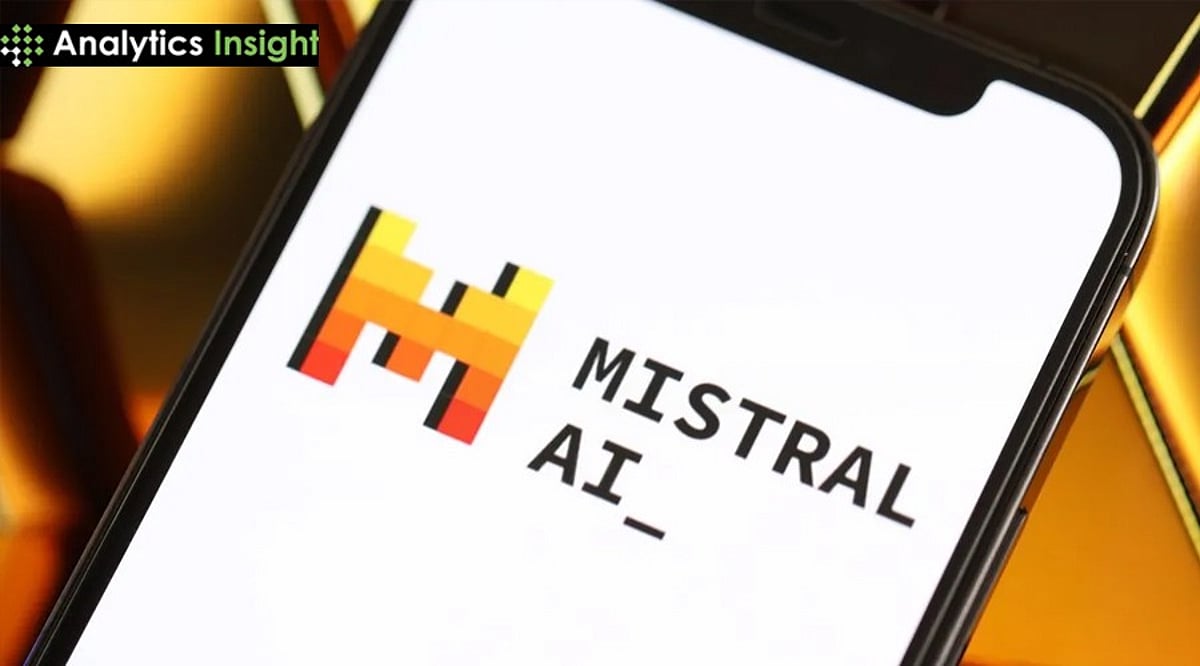
Mistral AI has entered the competitive landscape of text-to-speech technology with the launch of its new voice model, Voxtral TTS, on Thursday. This innovative model supports nine languages, including English, French, German, Spanish, Dutch, Portuguese, Italian, Hindi, and Arabic, positioning Mistral AI to compete directly with established players such as ElevenLabs, Deepgram, and OpenAI.
What sets Voxtral apart is its efficiency. Designed to operate on a range of devices—from smartphones to laptops—it does not require the massive computing power often associated with similar technologies. This capability translates into lower operating costs and quicker response times, making it an attractive option for users seeking accessible solutions in speech synthesis.
The model’s flexibility further enhances its appeal. As an open-source platform, it allows developers to tailor the technology to meet their specific needs. This adaptability enables users to experiment with features and innovate without the bureaucratic delays often associated with proprietary systems.
Pierre Stock, VP of Science Operations at Mistral AI, emphasized the model’s affordability and versatility. “Our customers have been asking for a speech model. So we built a small-sized speech model that can fit on a smartwatch, smartphone, laptop, or other edge devices. The cost of it is a fraction of anything else on the market, but it offers state-of-the-art performance,” he stated. This focus on cost-effectiveness could empower smaller developers and startups to leverage advanced speech technology without significant financial investment.
The introduction of Voxtral TTS comes at a time when demand for efficient and versatile AI-driven tools is surging across various sectors, from entertainment to customer service. As more companies adopt AI technologies, Mistral AI’s entry into the market may catalyze further innovation and competition. The company’s strategy of focusing on accessibility could set a new standard for text-to-speech applications, challenging existing paradigms in the industry.
Mistral AI’s decision to launch an open-source product allows for a broader ecosystem of collaborative development, which may encourage enhancements and additional functionalities over time. This could lead to a faster pace of innovation within the industry, as developers worldwide contribute to refining the model.
As industries increasingly integrate AI into their operations, the implications of Mistral AI’s launch extend beyond mere competition. The push for more accessible and efficient speech technology could reshape consumer expectations and drive demand for similar innovations across various AI applications. With companies striving to leverage AI for enhanced user engagement and operational efficiency, Mistral AI’s approach could serve as a blueprint for future developments in the field.
Looking ahead, the success of Voxtral TTS will likely depend on both its performance and user adoption rates. If it meets the expectations set by Mistral AI, it could not only challenge existing players but also redefine the landscape of text-to-speech technology. As the market evolves, the impact of such technologies on communication, accessibility, and user experience will continue to grow, making Mistral AI’s entry a noteworthy development in the ongoing AI revolution.
See also Google Launches Import Memory and Chat History Features for Gemini, Easing Switch from ChatGPT
 Germany”s National Team Prepares for World Cup Qualifiers with Disco Atmosphere
 95% of AI Projects Fail in Companies According to MIT
 AI in Food & Beverages Market to Surge from $11.08B to $263.80B by 2032
 Satya Nadella Supports OpenAI’s $100B Revenue Goal, Highlights AI Funding Needs