































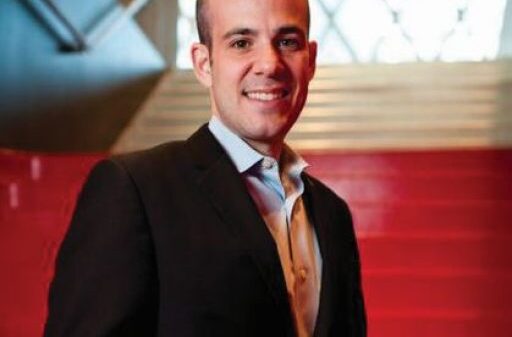




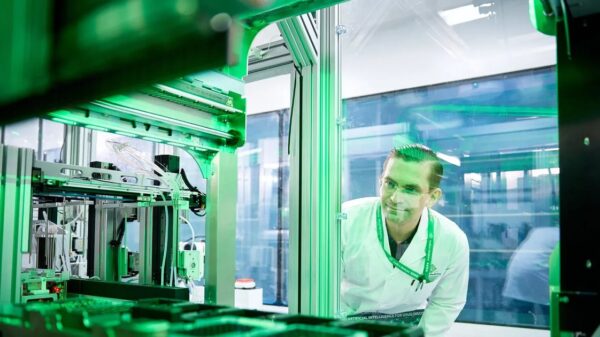





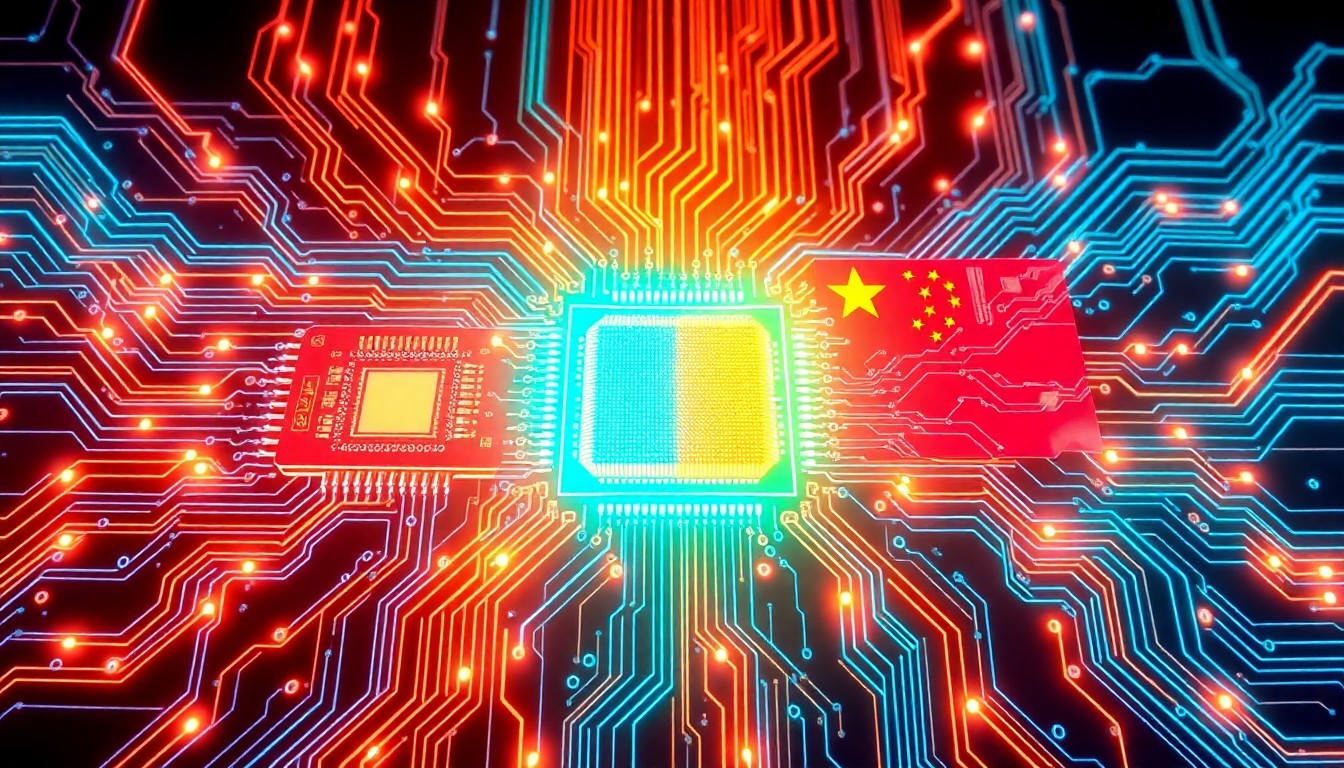
The blending of American and Chinese artificial intelligence expertise is shaping a new era of global ‘co-opetition’ in the technology race. At Nvidia’s recent GPU Technology Conference in San Jose, California, a notable guest speaker was Yang Zhilin, the founder of Beijing-based AI firm Megvii. His appearance at this prominent US tech event underscores the growing convergence and cooperation between the AI industries in the United States and China, even as the two countries continue to compete fiercely for dominance in the field.
The United States and China are the world’s two largest AI superpowers, each investing heavily in the technology and vying for global leadership. The presence of a Chinese executive at Nvidia’s conference suggests a burgeoning ‘co-opetition’ dynamic, where the two sides are increasingly finding avenues for collaboration despite their competitive instincts. Yang Zhilin’s invitation to speak at the GPU Technology Conference—a major industry event typically dominated by US companies—highlights this trend.
Megvii, founded by Yang, is one of China’s leading AI firms, specializing in computer vision and facial recognition technology. The company’s innovations have positioned it at the forefront of China’s AI landscape. Yang’s participation at the conference not only emphasizes his company’s achievements but also reflects an expanding synergy between US and Chinese AI industries, where firms and researchers from both countries seek to leverage each other’s strengths.
The GPU Technology Conference, held last month, showcased the latest advancements in GPU technology, critical for AI processing. Nvidia, a leading American technology company, is renowned for designing graphics processing units (GPUs) for both gaming and professional markets, as well as system-on-chip units for mobile computing and the automotive sector. The event serves as a platform for industry leaders to discuss innovations, share insights, and explore potential partnerships.
Analysts have noted that Yang’s attendance signifies more than mere participation; it symbolizes a shift towards mutual understanding and collaboration. As one analyst remarked, “The appearance of a Chinese AI executive at Nvidia’s conference shows how the US and China are finding ways to collaborate even as they compete for dominance in the field of artificial intelligence.”
This sentiment resonates deeply within the broader context of AI development, where increased cooperation could yield significant advancements in technology and applications. While the competitive landscape remains intense, there are growing opportunities for joint ventures and shared knowledge that could accelerate progress in AI capabilities globally.
The convergence of the US and Chinese AI industries, as evidenced by Yang Zhilin’s presence at a major American tech conference, underscores the intricate and evolving relationship between these two technological powerhouses. As they continue to navigate their competitive rivalry, there is potential for collaborative endeavors that could reshape the future of artificial intelligence. This dynamic suggests that, while competition drives innovation, cooperation may also pave the way for unprecedented advancements in the global AI landscape.
See also Germany”s National Team Prepares for World Cup Qualifiers with Disco Atmosphere
 95% of AI Projects Fail in Companies According to MIT
 AI in Food & Beverages Market to Surge from $11.08B to $263.80B by 2032
 Satya Nadella Supports OpenAI’s $100B Revenue Goal, Highlights AI Funding Needs
 Wall Street Recovers from Early Loss as Nvidia Surges 1.8% Amid Market Volatility