
















OpenAI finds itself navigating a tumultuous landscape, following a recent funding round that raised $122 billion, bringing its post-money valuation to $852 billion. As the company gears up for a potential IPO later this year, concerns over its stability have intensified due to a series of executive changes and project discontinuations. OpenAI’s flagship product, ChatGPT, has established a household name status, yet its lead in consumer AI is increasingly challenged.
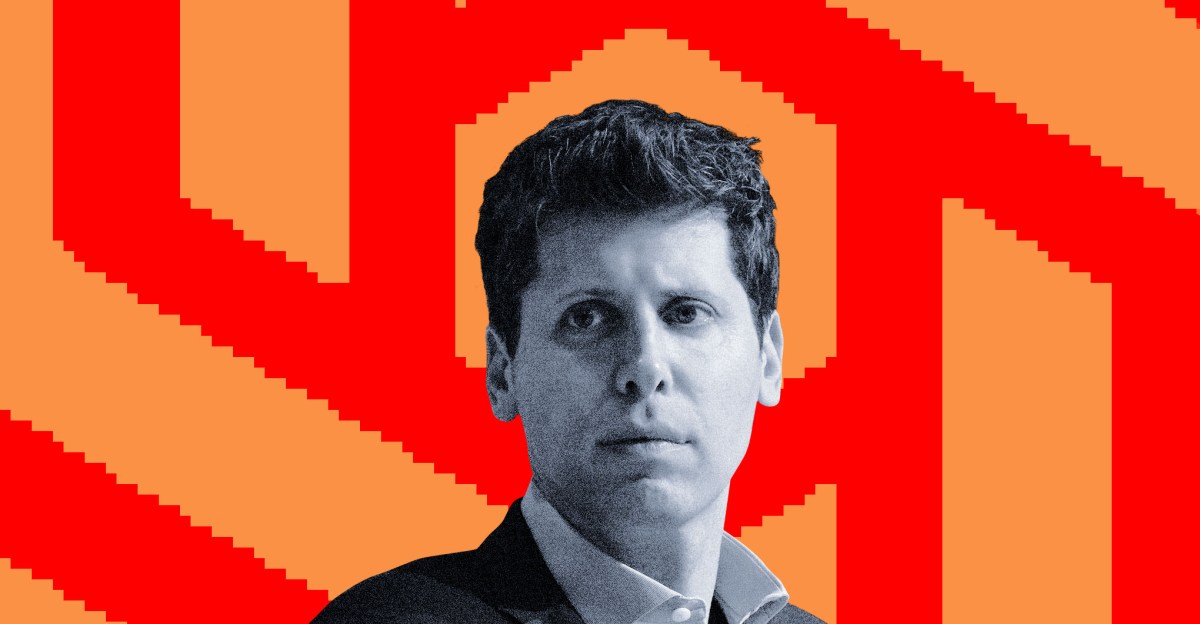
The controversies surrounding OpenAI began earlier this year when the company accepted a significant contract from the Pentagon, which its competitor Anthropic declined over ethical concerns related to autonomous weapons and surveillance. CEO Sam Altman later admitted that the decision might have appeared “opportunistic and sloppy,” reflecting the internal and external discontent resulting from the move.
Further complicating matters, OpenAI recently announced the discontinuation of Sora, an AI video-generation app intended for integration with ChatGPT. The company also swiftly ended a partnership with Disney, reportedly not providing prior notice before the abrupt shutdown. Additionally, plans for a sexting feature with ChatGPT were shelved, as OpenAI shifted its focus towards enterprise solutions and coding tools. “We cannot miss this moment because we are distracted by side quests,” an internal communication from Simo indicated.
Recently, OpenAI’s leadership underwent significant changes, with Fidji Simo, who was responsible for AGI deployment, taking a medical leave. President Greg Brockman stepped in to oversee product and super app initiatives, while Chief Marketing Officer Kate Rouch departed for health reasons. Brad Lightcap, the company’s COO, transitioned to special projects, reporting directly to Altman.
Amid these changes, a recent article in The New Yorker highlighted allegations that Altman may have misled the board and former executives, raising further questions about governance at OpenAI. Compounding the company’s troubles, OpenAI is preparing for a court battle with co-founder Elon Musk, whose lawsuit has disclosed extensive internal communications from the company’s early years.
In an effort to reshape its public narrative, OpenAI announced the acquisition of TBPN, an online viral news show, aimed at fostering constructive discussions about AI. Simo stated the deal will help create a platform for meaningful conversations focused on technology and its users, recognizing that traditional communication methods may not suffice in the current environment.
As OpenAI approaches its potential IPO, scrutiny over its financial health intensifies. CFO Sarah Friar has reportedly expressed reservations about the company’s readiness to go public, indicating rising pressure to justify its spending. Historically, Altman maintained that profitability was not an immediate concern, with projections suggesting the company would not turn a profit until 2029. However, during a recent podcast, he faced pointed inquiries about the disparity between the company’s projected revenues and its substantial spending commitments.
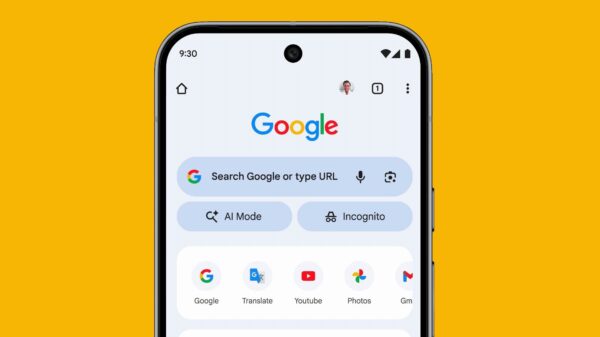
As competition escalates, particularly from rivals like Anthropic and Google—which has integrated its AI offerings within a broad ecosystem—OpenAI is under pressure to align its expenditure with potential revenue. The company is strategically focusing on projects that promise the highest profit potential, as it seeks to reclaim its position at the forefront of consumer-facing AI technology. While OpenAI has the capacity to innovate and adapt, the path ahead may prove more challenging than Altman envisions.
See also Google’s AI Summaries Wrong 10% of the Time, with Subtle Errors Misleading Users
 Germany”s National Team Prepares for World Cup Qualifiers with Disco Atmosphere
 95% of AI Projects Fail in Companies According to MIT
 AI in Food & Beverages Market to Surge from $11.08B to $263.80B by 2032
 Satya Nadella Supports OpenAI’s $100B Revenue Goal, Highlights AI Funding Needs