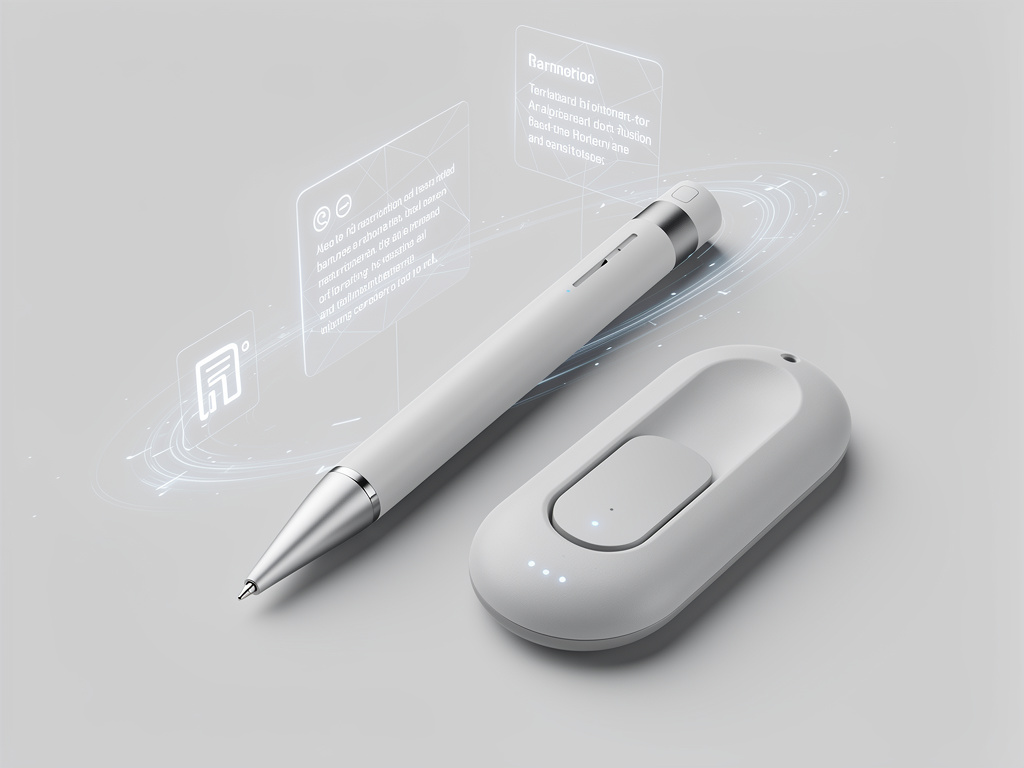
OpenAI, the San Francisco-based company known for its artificial intelligence innovations, is venturing into the realm of hardware through an unexpected partnership with renowned designer Jony Ive. This collaboration, which began as informal discussions in 2023, aims to create an AI-powered pen that could revolutionize how individuals interact with technology in everyday scenarios. The initiative reflects a significant shift among AI firms, which are increasingly seeking to embed intelligence into physical devices rather than relying solely on software applications and cloud services.
The partnership gained traction when Ive, who left Apple in 2019 to establish his design firm LoveFrom, confirmed his involvement in September 2024. Known for his work on iconic products such as the iPhone and iMac, Ive’s collaboration with OpenAI CEO Sam Altman hints at an aspiration to develop hardware that is both functional and emotionally resonant. Reports indicate that the project evolved into a company named “io,” although legal challenges have surfaced regarding this branding.
Details about the anticipated device remain largely under wraps, but speculation fueled by industry insiders suggests that it could manifest as a pen-like gadget equipped with AI capabilities. This innovative tool might transcribe handwritten notes in real-time, suggest edits, or even generate content based on user input. Such a device could cater to a range of users, from professionals in creative fields to educators, combining the tactile experience of traditional writing instruments with cutting-edge digital functionalities.
The timeline of this venture has seen incremental updates, culminating in a letter from Altman and Ive published on OpenAI’s website in May 2025. The letter outlined the transformation of initial ideas into tangible designs, backed by a team of hardware engineers and product experts who launched the “io” initiative about a year earlier. The goal of this new company is to create tools that enhance human creativity and learning, reflecting a sense of optimism amidst a crowded technology landscape.
By November 2025, executives revealed that prototypes were in development. In an interview moderated by Laurene Powell Jobs, Altman and Ive disclosed that a prototype was in hand, with plans to unveil the device within two years. Altman described a design ethos that emphasizes a “calmer vibe” compared to the fast-paced nature of smartphones, aligning with Ive’s minimalist approach to product design.
However, the journey has not been without hurdles. In December 2025, a U.S. appeals court upheld a temporary restraining order barring OpenAI and Ive’s venture from using the “io” branding due to a lawsuit from AI audio startup iyO. This legal setback underscores the competitive tensions that exist in the AI hardware market, where branding disputes can significantly impact promising projects.
Recent leaks have revitalized speculation about the device’s features. According to a tip shared by leaker Evan Spiegel, the pen may be a compact gadget that integrates seamlessly into daily life. Analysts suggest that it could utilize sensors to convert handwriting into digital text while leveraging OpenAI’s AI models for enhancements such as summarization or translation. Further insights indicate the device will be “playful” and screenless, positioning it as a mindful alternative to smartphones.
Technical experts speculate that the pen may utilize smaller AI models and custom-designed chips, enabling on-device processing without frequent cloud access. This would enhance user privacy and speed, essential for a portable device. Supply chain analysts suggest that mass production could commence in 2027, with assembly operations shifting to Vietnam to navigate geopolitical uncertainties.
Altman envisions his competition with Apple as central to the project, aiming to disrupt the smartphone market with hardware that integrates AI at its core. This effort follows OpenAI’s deal to embed ChatGPT into Apple’s ecosystem, illustrating a complex strategic landscape. The pen could serve as an entry point, transforming information capture and processing in professional environments.
The market context is rife with challenges; competitors like Humane and Rabbit have attempted to launch AI wearables but faced criticism for overpromising capabilities. OpenAI’s approach, backed by Ive’s design credentials, aims to sidestep previous pitfalls by focusing on a niche like note-taking, possibly integrating features such as audio dictation or reminders.
Despite legal and production challenges, funding appears robust. OpenAI’s collaboration with Ive’s LoveFrom has attracted significant investment, with reports indicating that prototypes are progressing toward commercialization. The anticipated launch in 2027 allows for necessary refinements, ensuring a well-rounded product hits the market.
This innovative pen concept embodies a fusion of analog and digital paradigms. Potential features include the ability to refine sketches into polished graphics or automatically generate action items from meeting notes, revolutionizing workflows across various industries. Drawing inspiration from Ive’s legacy, the design is expected to feature premium materials, enhancing the user experience.
Critics, however, express skepticism regarding the practicality of replacing traditional writing tools. Mixed sentiments permeate social media platforms, with tech enthusiasts expressing excitement while others warn against yet another gadget fad. OpenAI’s reputation for accessible AI could, however, position this product favorably, particularly if it maintains an affordable price point.
As OpenAI moves forward, embedding AI into everyday devices raises crucial privacy considerations. Questions surrounding how user data, particularly from handwritten notes, will be handled are paramount. OpenAI has historically emphasized user control, but hardware introduces new complexities that regulators may scrutinize closely.
Looking ahead, this project signifies a pivotal moment for AI hardware, potentially paving the way for devices as commonplace as smartphones. If successful, the pen could evolve into a broader range of products, integrating AI into daily life seamlessly. This initiative reflects a shift towards ambient computing, where technology enhances human experiences without overwhelming users. As prototypes are developed and more information leaks emerge, the tech sector watches intently, awaiting a device that could redefine the intersection of design and artificial intelligence.
See also Walmart’s AI Surge: 40% of New Software Code Fuels Retail Transformation and Efficiency
 Prepare for 2026: Key Compliance Trends Shaping AI Governance and Risk Management
 Progressives Risk Backfire by Advocating for Disempowered Federal Courts
 Shenzhen Kingkey Smart Agriculture Invests in Huibo Robotics, Launching AI-Driven Research Institute