

































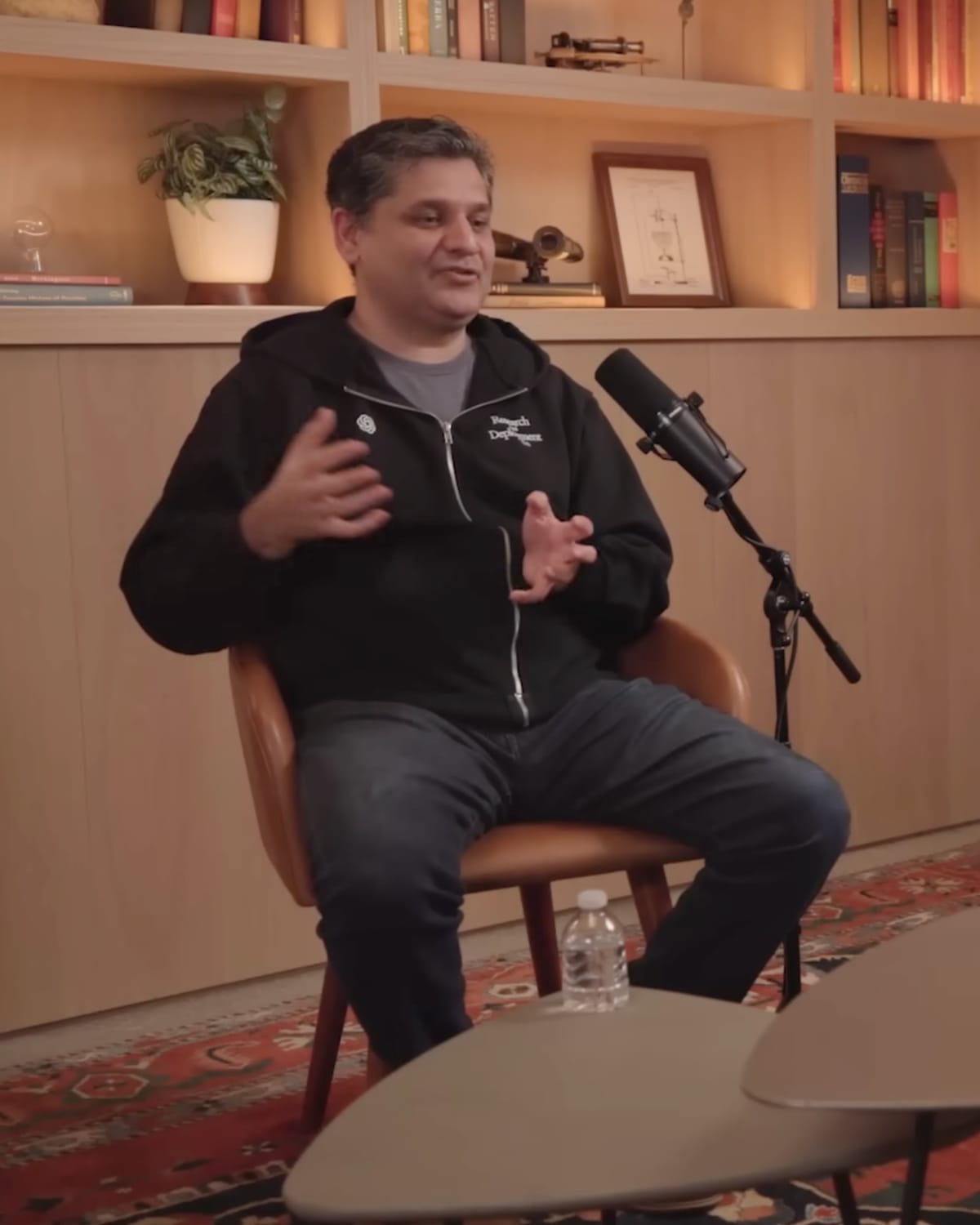
OpenAI has unveiled an ambitious vision for the future of advertising automation, aiming to enable businesses to manage campaigns through simple prompts to ChatGPT, effectively eliminating the need for agencies or performance marketing specialists. Asad Awan, OpenAI’s head of monetization, articulated these goals during the “Thinking Behind Ads in ChatGPT” podcast on February 9, 2026. His remarks regarding the potential to replace traditional marketing roles with AI were met with skepticism from industry professionals, who raised concerns about whether AI could genuinely substitute strategic marketing expertise.
The proposed system promotes a conversational approach to campaign management. Awan emphasized the ease with which advertisers could interact with ChatGPT, stating, “You could say my goal is sell these shoes more in the Midwest and go.” He suggested that the AI would conduct experiments and return with optimized bidding strategies and campaign designs tailored to the advertiser’s budget and objectives. This concept marks a significant shift from the current advertising landscape, which often requires extensive manual input and expertise.
A recent study from Fluency highlighted that agencies spend an average of 46 hours each month on manual campaign adjustments. With 64% of strategists managing multiple channels at once, the operational complexity could be alleviated through automation. Awan pointed out the financial burdens imposed on small businesses that must hire performance marketers, saying, “The cost of running ads is actually one of the biggest costs in there.” He envisions a process where business owners could simply articulate their needs and constraints, allowing the system to autonomously create and run advertisements.
This approach could address pressing challenges faced by small businesses, with research from November 2025 revealing that 52% operate on marketing budgets below $1,000 and half lack dedicated marketing personnel. Awan illustrated this struggle with a personal anecdote about friends who had to hire multiple performance marketers for their e-commerce shoe business due to the complexities involved in advertising.
The push toward automation in the advertising industry is not new. Companies have been developing similar capabilities, such as Amazon’s Ads Agent, which offers natural language commands for campaign management, and PubMatic’s AgenticOS, designed for autonomous advertising execution. These innovations aim to reduce the time and effort required in campaign setup and management.
However, Awan’s remarks have sparked intense debate, particularly regarding the potential pitfalls of relying too heavily on AI. Anthony Higman, an industry commentator, expressed skepticism on social media, questioning the trustworthiness of AI systems in navigating advertisers’ needs while ensuring that budgets are not drained unnecessarily. This sentiment underscores broader concerns about AI’s focus on optimizing for platform revenue rather than genuine success for advertisers.
OpenAI’s competitive strategy includes attracting advertisers to ChatGPT, which started accepting placements on February 6, 2026, at a rate of $60 per 1,000 views, with a minimum commitment of $200,000. Early participants include major brands like Target and Ford, as well as prominent advertising agencies such as WPP Media and Omnicom.
Awan’s vision encompasses a future where AI could facilitate not just advertising management but also product discovery and purchasing through conversational ads. He described a scenario where ChatGPT could recommend products based on user preferences, indicating a more integrated role for AI in the consumer purchasing process. Yet, achieving this level of sophistication will require advanced intent recognition systems to evaluate user conversations for commercial intent.
Despite the excitement around these advancements, skepticism pervades the industry regarding the feasibility of replacing human expertise with automated systems. The complexity of advertising strategies, which often require cultural insights and competitive understanding, raises doubts about the effectiveness of a purely automated approach. Awan himself acknowledged that such nuanced strategic targeting is typically not accessible to everyone.
As OpenAI strides forward, the ethical implications of AI-managed advertising budgets remain largely unexplored. Concerns about accountability in cases of campaign failure—where it may be unclear whether the advertiser, the AI, or the platform holds responsibility—present significant challenges. Furthermore, as platforms like Meta report soaring advertising revenues, the question arises whether the drive toward automation will prioritize efficiency over advertiser well-being.
As the advertising landscape evolves, open questions remain about whether AI can effectively democratize access to advertising for small businesses while maintaining campaign effectiveness. The upcoming testing period for ChatGPT’s advertising platform will provide critical insights into whether these ambitious plans can deliver on their promises or will face significant hurdles along the way.
See also AI’s Impact on Our Lives: Demanding Accountability and Fairness in a Transforming Landscape
 India’s AI Summit: A Spectacle Prioritizing Corporate Interests Over Human Rights
 FTC Expands Antitrust Probe into Microsoft’s $401B Cloud AI Bundling Practices
 Wesfarmers Partners with Google Cloud to Revolutionize Retail with Agentic AI Deployment
 US, Canada, UK, and 7 Nations Unite at India AI Impact Summit 2026 to Drive AI Solutions in Travel and Sustainability