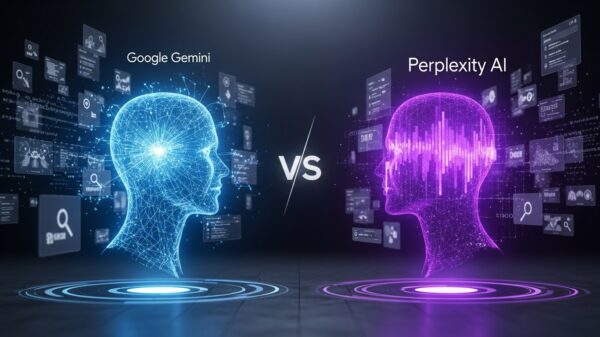








































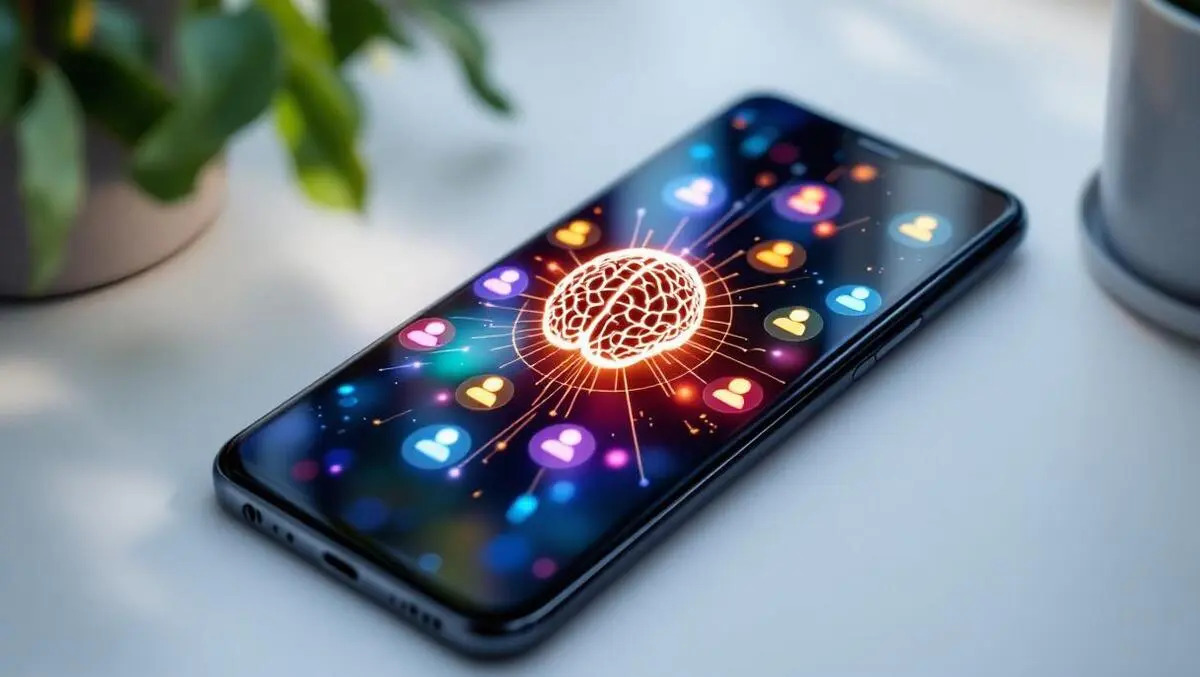
Samsung Electronics is broadening its Galaxy AI initiative with the integration of a wider array of AI agents, including the addition of Perplexity to its forthcoming flagship Galaxy devices. This strategy shift reflects a movement towards a “multi-agent” model that enables users to transition between various AI tools based on specific tasks, rather than relying on a single assistant.
The South Korean tech giant cited internal research indicating that nearly eight in ten users now engage with more than two types of AI agents in their daily routines. This growing reliance on multiple AI applications underscores a significant change in how consumers interact with technology.
Galaxy AI operates at the system level, embedded within the operating system rather than being offered as a standalone application. Samsung describes these “framework-level” connections that allow the software to utilize user context across different tasks, aiming to minimize repetitive commands and reduce the need to switch between apps. This design enables Samsung to incorporate external services, presenting them as part of the cohesive Galaxy experience instead of separate tools.
The forthcoming integration of Perplexity will serve as an additional AI agent alongside existing Galaxy AI options. Users will have access to Perplexity through a dedicated voice activation phrase: “Hey Plex,” and quick-access controls will include a side button press-and-hold feature. Perplexity is expected to work with compatible Samsung applications and will integrate with select third-party apps.
Samsung’s multi-agent approach aims to facilitate multi-step actions with reduced app switching, offering contextual assistance that helps users navigate various activities across their devices. “We’ve been committed to building an open and inclusive integrated AI ecosystem that gives users more choice, flexibility and control to get complex tasks done quickly and easily,” said Won-Joon Choi, President, Chief Operating Officer and Head of the R&D Office for Samsung Electronics.
Choi articulated that Galaxy AI functions as a coordinating layer among different assistants, describing it as an orchestrator that unifies various AI forms into a single, natural user experience.
The introduction of Perplexity reflects a broader industry trend towards blending multiple AI models and assistants into a singular interface. Competitors such as Apple and Google are also pursuing similar strategies, with Apple forming generative AI partnerships for its devices while Google integrates its Gemini AI into Android and the Pixel line. Meanwhile, firms like Microsoft, OpenAI, and Anthropic are vying to embed their assistants in consumer hardware and software platforms.
This partner-led strategy could allow Samsung to limit its dependency on any single AI provider, thereby distinguishing its user experience through the availability of multiple assistants with direct system-level integration. However, this multi-agent setup poses practical challenges regarding the allocation of responsibilities among assistants and user management of these tools. Samsung has yet to clarify how it will designate a default agent for specific requests or how these options will appear within the user interface.
Details regarding which third-party applications Perplexity will support and whether the integration will vary by region, language, or device model have also not been disclosed. Samsung has announced that it will provide more information on supported devices and experiences in the future, but has not specified the particular flagship models that will feature Perplexity or whether existing devices will receive the agent through a software update.
As Samsung continues to collaborate with “trusted partners” to expand its AI ecosystem, further announcements are anticipated. The developments in multi-agent AI systems are indicative of a significant trend in the tech industry, as companies aim to enhance user experiences by offering versatile and integrated solutions.
See also Runway AI Sued for Allegedly Scraping YouTube Videos to Train Generative Model
 Microsoft Shares Drop 17.5% Despite Record $81.3B Revenue and Strong AI Growth
 Nvidia Earnings Today: Key for FX Markets Amid Investor Unease and CPI Data
 Google Acquires ProducerAI, Enhances Music Generation with Lyria 3 Integration
 Vic Gundotra Reveals How AI Enhances His Daily Spiritual Life Through Deep Scripture Engagement