








































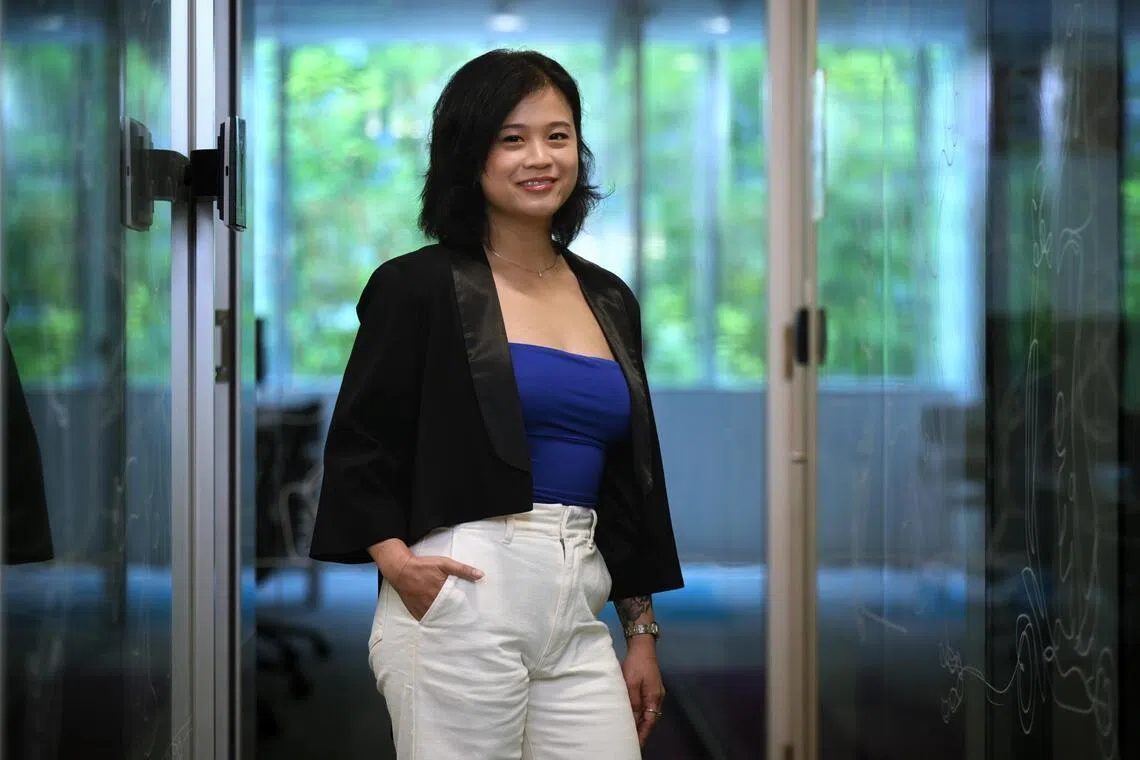
SINGAPORE – In a notable career pivot, Ms. Shery Chan, a 34-year-old digital product designer, transitioned from a decade of designing digital platforms in New Zealand to spearheading artificial intelligence (AI) initiatives at Standard Chartered Bank. After moving back to Singapore in 2022 to establish the bank’s first office for its digital consultancy in Asia, she embraced a role at SC Ventures, the bank’s corporate venture capital arm, where she assessed the feasibility of emerging business ventures.
Although her previous roles did not necessitate extensive technical skills, Ms. Chan’s journey took a transformative turn when she discovered vibe coding. This innovative practice allows non-technical users to instruct AI tools using natural language, enabling rapid application development without deep coding expertise. “The last time I coded was probably when I was in polytechnic,” she recalled, highlighting her limited coding experience with older web-development technologies like JavaScript and ActionScript.
Ms. Chan’s involvement in vibe coding emerged after participating in a two-day workshop called Code with AI in June 2025, led by startup founders Sherry Jiang and Agrim Singh. During this bootcamp, she utilized tools such as Supabase and Cursor to quickly develop software solutions. While hobbyists might apply vibe coding to personal projects, Ms. Chan harnessed it to create a prototype for a financial crime detection and management platform at SC Ventures. The platform was designed to centralize alerts about suspicious transactions from various sources, streamlining the prioritization of alerts.
Her prototype featured distinct interfaces for compliance officers and anti-money laundering analysts, and it allowed Ms. Chan to engage stakeholders more effectively. “Instead of abstract conversations about ‘what AI could do’, I was able to show them,” she noted. This hands-on experience not only enhanced her understanding of AI systems but also shifted discussions from theoretical debates to concrete implementation strategies.
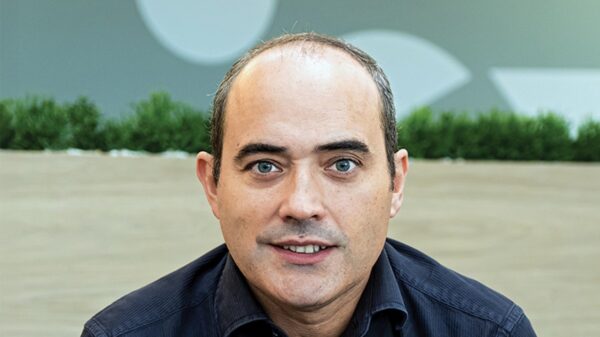
Ms. Chan’s ability to blend technical execution with commercial awareness captured the attention of Mr. David Hardoon, Standard Chartered’s global head of AI enablement. His team, established in April 2025, is tasked with enhancing the bank’s AI capabilities and governance. Their initial casual meeting in September 2025 quickly revealed Ms. Chan’s potential. Just 15 minutes into the conversation, Mr. Hardoon recognized her as a rare talent suitable for the team he was building.
Mr. Hardoon emphasized that while technical skills are beneficial, the primary qualities he seeks include an ability to navigate both technology and business priorities, supported by a solid background in finance or technology. “Ms. Chan had the ability to prototype and build rapidly, enriching her existing knowledge of software development and business decision-making,” he said. Following a series of interviews, Ms. Chan secured her position as director for AI product strategy and adoption at Standard Chartered in October 2025.
Singapore’s government aims to cultivate a workforce of “AI bilinguals”—professionals who possess both domain expertise and fluency in AI. Minister for Digital Development and Information Josephine Teo has noted that these individuals will play a pivotal role in leading meaningful AI adoption across industries. In her current role, Ms. Chan evaluates various AI use cases within the bank, ranging from corporate investment banking to retail wealth management, while also developing metrics to assess the bank’s return on its AI investments.
Mr. Hardoon advises those transitioning into AI roles to maintain a strong focus on their existing areas of expertise. “AI-related roles and essential skills that invite success must be interconnected with other focus areas,” he said, encouraging professionals to carve out a niche where they can augment AI capabilities effectively.
As for Ms. Chan, her advice for others looking to enter the AI field is straightforward: “Just start building things, even messy ones.” She attributes her current success to her design background, which taught her to prioritize understanding user ecosystems over technical proficiency. This perspective allows her to drive AI integration in ways that resonate with both technical and non-technical stakeholders.
In a world increasingly influenced by AI, Ms. Chan’s journey underscores the importance of adaptability and interdisciplinary expertise in shaping the future of work.
See also French Authorities Raid X Over Grok’s 2 Million Unlawful Explicit Image Generation
 Arista Networks Set to Capture $120B AI Infrastructure Market with Fast Ethernet Switches
 Genpact Reports 10% Dividend Boost as AI Services Drive 17% Revenue Growth
 Palantir Surpasses $1.41B Revenue; Nvidia, Alphabet Report Strong Q4 Growth
 AI Data Centers’ Water Usage Surges 24%, Demand Mirrors Small Towns Amidst Climate Risks