














































In a week marked by significant developments in the tech industry, Taiwan Semiconductor Manufacturing Co. (TSMC) found itself at the center of a controversy involving trade secret allegations, while Baidu Inc. initiated layoffs following disappointing quarterly results. This article highlights the key stories influencing the technology landscape.
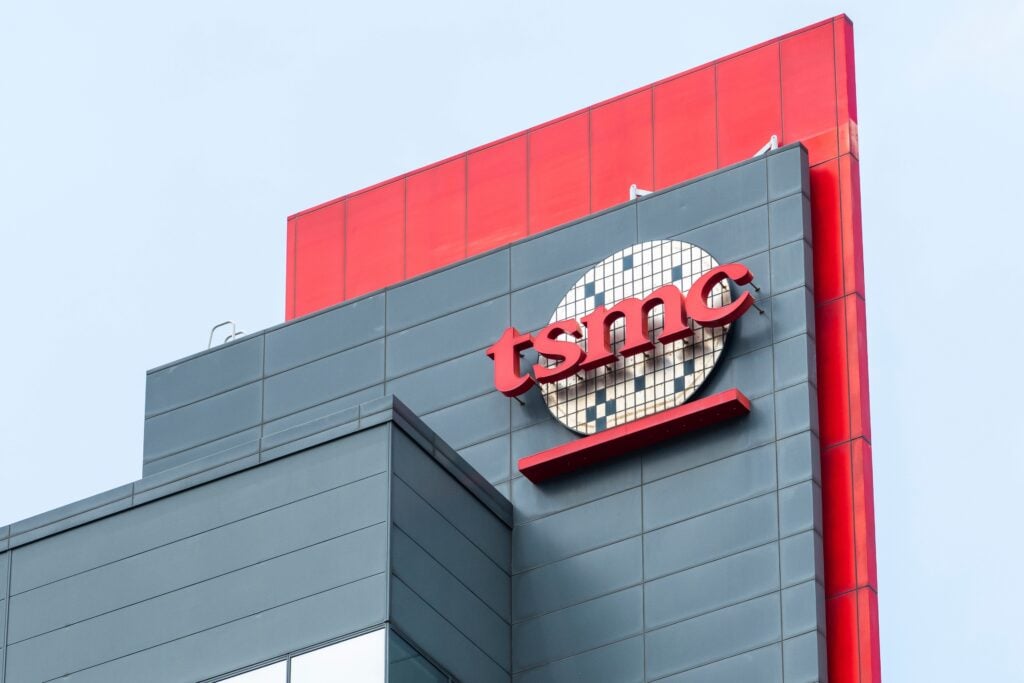
Taiwan prosecutors conducted a raid on the home of former TSMC vice president Wei-Jen Lo amid allegations that he leaked confidential information to Intel Corp. Lo, who joined Intel in October, is now under investigation, with authorities seizing computers and various storage devices as potential evidence of wrongdoing. This incident has raised concerns about the protection of sensitive data within the semiconductor sector, which is critical to global technology supply chains.
In a related development, a researcher from Google DeepMind criticized the market’s perception of artificial intelligence (AI) hardware demand after the stocks of Nvidia Corp and Advanced Micro Devices, Inc. experienced a significant decline. The drop followed reports suggesting that Meta Platforms Inc. may opt to utilize Google’s AI chips for its data centers, prompting concerns about competition and market disruptions. The researcher emphasized the need for a more nuanced understanding of AI hardware requirements in the evolving tech landscape.
Further complicating the narrative, Chinese tech giant Baidu began layoffs that are expected to affect several business units. While the exact number of job cuts remains unclear, reports indicate that some teams could face reductions as high as 40%. This decision follows a disappointing third-quarter financial report, reflecting broader challenges within the Chinese tech sector as companies grapple with regulatory pressures and market fluctuations.
In the U.S., Amazon.com Inc. celebrated a legal victory when a federal judge issued an injunction blocking the enforcement of a new labor law in New York. This law would have given the state the power to intervene in private-sector union disputes. The ruling halts enforcement while Amazon challenges the law’s broader implications, underscoring the ongoing tensions between large tech firms and regulatory frameworks aimed at labor relations.
Meanwhile, U.S. Senators Richard Blumenthal and Josh Hawley called for an investigation into Meta Platforms, Inc. over allegations that the company profits from fraudulent advertisements on its platforms. The senators referenced reports that suggested Meta could be generating as much as $16 billion annually from these questionable ads, raising serious questions about the ethics of its advertising practices and the responsibilities of social media companies in curbing fraud.
The recent events underscore the dynamic nature of the technology sector, where legal battles, market fluctuations, and ethical challenges are increasingly interlinked. With firms like TSMC and Baidu confronting significant operational and reputational challenges, and regulatory scrutiny intensifying for giants like Amazon and Meta, the industry faces a pivotal moment that could shape its future landscape.
As these developments unfold, stakeholders across the technology ecosystem will be closely monitoring how companies navigate the complex interplay of innovation, competition, and regulation in an ever-evolving market.
See also Molecular Matrix Launches AI-Powered “Contract Guard” to Mitigate Legal Risks for Entrepreneurs
 Tesla’s FSD v14.2.1 Update Sparks Concerns Over Abrupt Speed Profile Changes
 DeepSeek Achieves Gold at International Maths Olympiad with Self-Verifiable AI Model
 Philips Launches Verida: Transformative AI-Driven Spectral CT Cuts Exam Time by 50%
 Salesforce’s Stock Faces Crucial Test: AI Strategy’s Success at Stake This Week