















































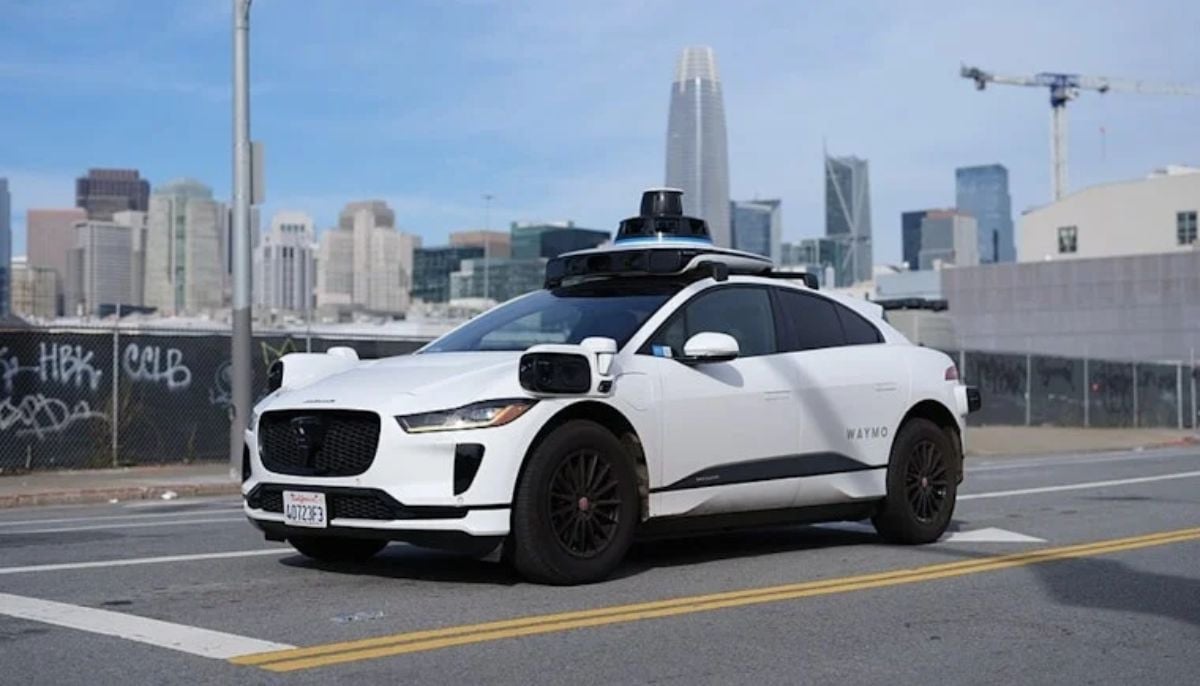
Waymo is pushing the boundaries of autonomous vehicle training by utilizing virtual environments, a strategy aimed at enhancing the safety and efficiency of its robotaxis. The self-driving technology company announced that it has developed a new simulation tool, the Waymo World Model, using DeepMind’s Genie 3. This innovation allows Waymo to create lifelike virtual city streets for its vehicles to practice on, particularly focusing on rare and hazardous driving scenarios.
This development comes as part of Waymo’s broader strategy to expedite the deployment of its autonomous vehicles while ensuring they are better prepared for the complexities of real-world traffic. The virtual training environment enables the company’s engineers to run “what if” tests, manipulating variables such as weather, time of day, and road configurations through simple language prompts. This flexibility allows the Waymo Driver system to learn from a combination of actual driving experiences and synthetic situations.
DeepMind’s Genie 3 plays a crucial role in this process, as it is designed to generate interactive 3D environments from text inputs while maintaining scene consistency. Waymo has tailored this model specifically for driving scenarios, ensuring that it aligns with the unusual edge cases that its fleet may encounter. This targeted approach aims to shorten the learning curve when navigating unfamiliar neighborhoods, particularly in challenging conditions.
Waymo’s operations are heavily grounded in local data, with a significant presence in San Francisco, where it uses real-world driving metrics to create focused simulations. These simulations incorporate specific city features, such as foggy intersections and even the iconic Golden Gate Bridge under light snowfall. By merging local driving data with AI-generated scenarios, Waymo effectively reduces the time required for its autonomous fleet to adapt to new areas.
This innovative approach to training autonomous vehicles underscores the growing integration of AI technologies within the transportation sector. As companies like Waymo leverage advanced simulation tools, the prospect of safer and more reliable self-driving cars becomes increasingly tangible. The implications of this development extend beyond merely enhancing vehicle performance; they also have the potential to reshape urban mobility and reduce traffic-related incidents.
As Waymo continues to refine its robotaxi offerings, the company’s focus on virtual training represents a significant step forward in the quest for fully autonomous driving solutions. This blend of real-world data with state-of-the-art AI technology not only accelerates the learning process but also builds a safer environment for both passengers and pedestrians.
See also Cognizant Boosts Revenue Amid AI Partnerships and Buybacks, Yet Valuation Risks Loom
 AppLovin Soars 8% to $407, Eyes $745 Target as AI Model Revolutionizes Ad Market
 Amazon Reveals $200 Billion AI Capex Plan, Shifting Market Sentiment and Predictions
 EggNest.ai Launches in Grand Junction, Accelerating Glean AI Adoption Across Industries
 SRx Health and EMJ Crypto Launch EventHorizonIQ AI Ledger for Market Signals