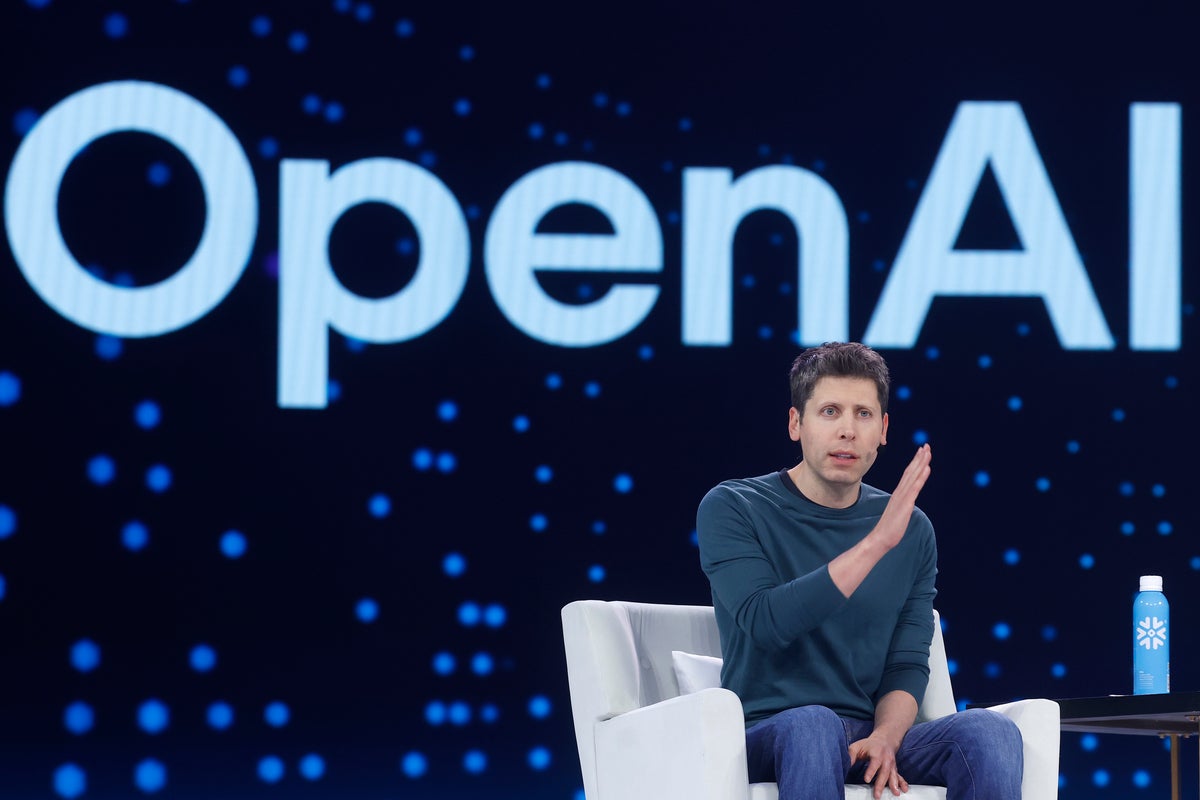
OpenAI CEO Sam Altman has expressed optimism regarding the future of artificial intelligence, forecasting that a significant leap toward achieving superhuman capabilities will occur when AI systems develop “infinite, perfect memory.” Speaking during the Snowflake Summit 2025 at the Moscone Center in San Francisco on June 2, 2025, Altman emphasized that while recent advancements have focused primarily on enhancing reasoning abilities, the prospect of comprehensive memory is what excites him the most.
In a recent appearance on the Big Technology Podcast, Altman detailed his vision for AI, stating, “Even if you have the world’s best personal assistant… they can’t remember every word you’ve ever said in your life.” He articulated that the existing limitations of AI memory are quite rudimentary and that his company aims to address this challenge by 2026. “AI is definitely gonna be able to do that,” he added, highlighting the difference between current AI capabilities and the potential future state of technology.
Altman’s remarks come in the wake of increased competitive pressure from Google’s latest AI model, Gemini 3, which has been touted as a “new era of intelligence.” Launched in November, Gemini 3 reportedly achieved record scores across various industry benchmarks. However, Altman downplayed the immediacy of the threat posed by this new competitor, stating that OpenAI has a history of responding proactively to emerging challenges.
The OpenAI CEO remarked, “I think that it’s good to be paranoid and act quickly when a potential competitive threat emerges,” recalling earlier instances, like their response to DeepSeek earlier in the year. Although he acknowledged that Gemini 3 identified weaknesses in OpenAI’s product offering and strategy, he asserted that the model had not yet made the impact that was initially feared.
To maintain its competitive edge in the rapidly evolving AI landscape, Altman outlined OpenAI’s strategy of creating the best models, developing robust products around them, and ensuring adequate infrastructure to scale. Currently, OpenAI reports that ChatGPT boasts around 800 million users, which translates to approximately 71 percent of the AI app market share, although this is a decline from 87 percent a year ago. In contrast, Google’s market share has increased from roughly 5 percent to over 15 percent, with Gemini surpassing 650 million users.
The discourse surrounding AI memory raises significant questions about the ethical and practical implications of such advancements. As AI systems begin to retain and process vast amounts of personal data, considerations about privacy, data security, and the nature of human-AI interactions will become crucial. Altman’s vision suggests that a future where AI can act as a fully engaged personal assistant could redefine tasks ranging from simple reminders to complex decision-making.
Looking ahead, the race among tech giants to perfect AI continues to intensify. With companies like OpenAI and Google vying for supremacy, the developments in memory capabilities may not only shape the future of personal assistants but could also have broader implications for how we interact with technology in our everyday lives. As Altman aptly put it, the journey toward infinite memory is just beginning, but it promises to be a transformative one.
OpenAI | DeepMind | Google | Snowflake
See also Amazon Blocks AI Shopping Bots Amid Growing Competition for E-Commerce Control
 AI Tool NutriSighT Predicts Nutrition Risks for ICU Ventilator Patients, Enhancing Care
 LIBA’s Rev. Dr. Arun: Redefining MBA Leadership Amid AI’s Rise with Human-Centric Skills
 Google Launches Interactions API, Enabling Stateful AI Agents for Autonomous Tasks
 CFOs Shift from Financial Stewards to Strategic Innovators in AI-Driven Economy