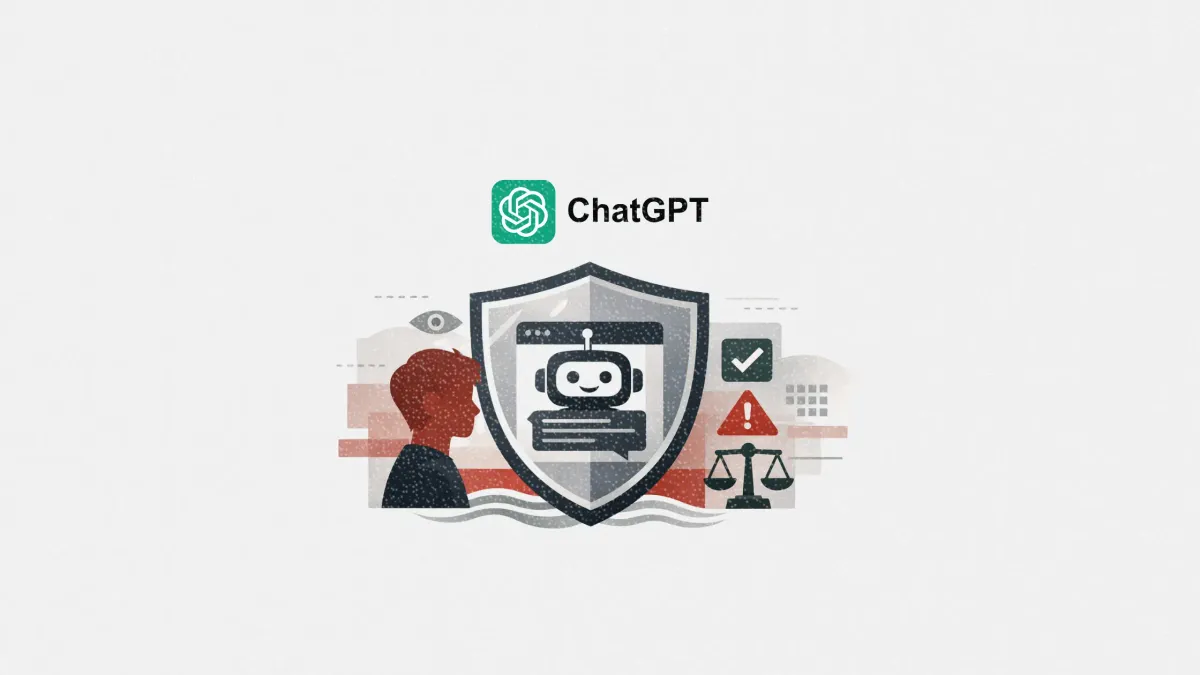
As concerns regarding teen safety in the digital landscape intensify, OpenAI has introduced new guidelines aimed at regulating how its chatbot, ChatGPT, interacts with users under the age of 18. This move, unveiled recently, establishes specific behavioral expectations for interactions with younger users while also providing educational resources for parents and families.
The updated Model Spec reflects OpenAI’s commitment to prioritizing user well-being, setting forth a series of restrictions on ChatGPT’s engagement strategies. Among the most notable changes are prohibitions on first-person romantic or sexual roleplay, even in fictional or educational contexts, and an outright ban on encouraging self-harm, mania, delusion, or extreme changes in appearance. Additionally, the guidelines enforce heightened caution when addressing sensitive topics, including body image and personal safety, while introducing automated classifiers to detect and respond to potentially harmful prompts in real time.
These measures are complemented by a new age-prediction model designed to identify accounts likely operated by teens, ensuring that stricter guidelines are applied when necessary. The system also aims to guide adolescents toward real-world resources for help and includes reminders that interactions are with an AI rather than a human being. Break reminders during prolonged sessions have been implemented, though specific frequencies remain undisclosed.
This initiative arrives at a critical juncture, as policymakers in the United States are actively exploring comprehensive AI regulations, particularly those focused on child safety. OpenAI’s updates preemptively align with these potential mandates by adopting what the company describes as safety-first principles. This approach emphasizes user safety over autonomy, encourages seeking real-world assistance, and aims to reduce the illusion of intimacy that an AI might evoke.
However, some critics within the industry argue that these policies still exhibit vulnerabilities. Concerns have been raised regarding past incidents where ChatGPT inadequately mirrored users’ emotional states or failed to effectively intercept harmful dialogue in real-time. Steven Adler, a former safety researcher at OpenAI, remarked that “Intentions are ultimately just words” unless they are supported by measurable behavior and enforcement.
For marketers, these developments signal a crucial shift in how generative AI tools might be utilized in campaigns. Even if brands do not directly target teenagers, the implications of these safety guidelines should be taken seriously. The necessity for compliance and moderation in AI-generated content is becoming more pronounced, and brands must be vigilant in understanding how their tools handle age-sensitive material. With real-time content classification evolving into a standard practice, marketers may need to verify AI-generated messages for safety flags before deployment.
Moreover, brands should prepare for platform risk audits that will likely incorporate age safeguards, similar to existing regulations like GDPR and CCPA that mandate user privacy considerations. As the adoption of AI in customer-facing channels increases, businesses must demonstrate that their tools do not engage with minors inappropriately. This includes documenting AI content moderation workflows and identifying fallback mechanisms for users under 18.
Additionally, the tone and approach of a brand’s AI communications should not rely on uncritical validation of user views. OpenAI has been grappling with the issue of “sycophancy,” where ChatGPT may overly agree with user perspectives. Brands should thus reevaluate how AI-generated responses align with their ethical standards, particularly in sensitive discussions.
While these guidelines specifically address interactions with minors, the rationale underlying them may soon extend to adult users as well. Cases of AI-induced self-harm and delusion have not been confined to teenagers, and as legislative efforts gain momentum, there may be increasing calls for universal AI safeguards.
OpenAI’s new teen safety measures represent more than just an update; they herald the beginning of a compliance era for AI marketing tools, emphasizing that ethical design is not merely advisable but essential. Brands utilizing generative AI must now reassess their strategies and ensure that their systems behave responsibly, especially as scrutiny regarding AI interactions continues to rise.
See also AI’s Ethical Revolution: Transforming Public Relations with the 3H Model for Trust and Accountability
 Nvidia Licenses Groq Tech, Snowflake Eyes $1B Acquisition, Meta Battles AI Regulations
 Amazon Expands AI Infrastructure with $10B OpenAI Investment, Boosting AWS Backlog 5%
 AI Revolutionizes Customer Connections: Delivering Hyper-Personalized Experiences Across Generations
 Meta Unveils AI Roadmap with Mango and Avocado Models, Launching by 2026