






















































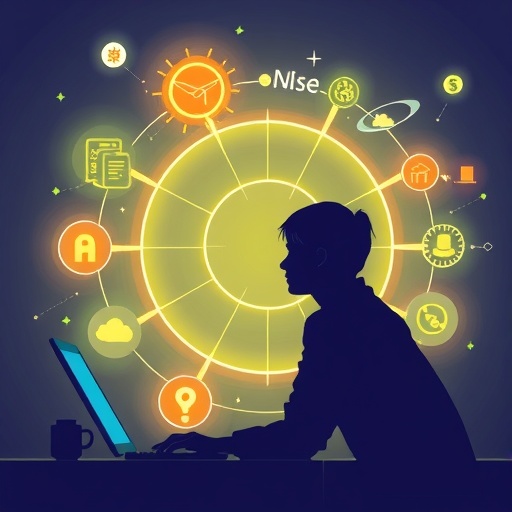
In a significant development for educational technology, researchers L. Bian and M. Chang are advocating for a model that prioritizes student perception to enhance learning outcomes. Their study, “Design and Optimization of Education Informatization Model and Intelligent Recommendation System Based on Student Perception,” highlights the growing necessity of integrating technology into education in a way that aligns with the diverse needs of learners.
The research underscores a fundamental shift from traditional one-size-fits-all educational approaches, which often lead to student disengagement. Bian and Chang emphasize that effective educational technology must be rooted in an understanding of how students perceive and interact with these tools. Their findings suggest that when educational tools are tailored to student behaviors and preferences, they foster a more personalized and engaging learning environment.
Central to their proposed framework is an **intelligent recommendation system** that utilizes artificial intelligence and machine learning to deliver personalized content to students. This system learns from individual interactions, adapting its recommendations over time, which helps students navigate the overwhelming amount of information available today. Unlike conventional methods that present uniform resources to all learners, this tailored approach aims to keep students engaged while supporting their academic journeys.
Critical to the success of this model are factors such as ease of use, content relevance, and interactivity within educational technologies. Bian and Chang’s research identifies these elements as essential in addressing common frustrations faced by students in digital learning environments. By focusing on these aspects, the model aims not only to fulfill educational goals but also to resonate with students’ unique learning preferences.
The researchers also highlight the importance of establishing feedback loops, enabling continuous refinement of educational tools based on user experiences. This iterative process allows developers to enhance the effectiveness of their systems, creating an adaptive learning environment that not only reacts to student needs but anticipates them. Such a proactive approach could redefine the relationship between technology and its users in educational settings.
Empirical studies conducted by Bian and Chang validate their model, showing that students utilizing the intelligent recommendation system exhibit higher engagement levels and improved academic performance. These promising results underscore the potential benefits of embedding student perceptions into the design of educational technology, suggesting a path to more effective learning experiences.
The implications of this research extend beyond individual classrooms, as industries increasingly recognize the value of a well-educated workforce. By integrating intelligent systems into educational frameworks, institutions may be better equipped to prepare graduates for the demands of an ever-evolving job market. This proactive integration could not only enhance students’ educational experiences but also ensure they are adept at navigating future technological landscapes.
For educators, this model offers significant advantages. The integration of intelligent systems that respond to student needs allows teachers to concentrate on personalized instruction and mentorship rather than administrative tasks. This shift promises to strengthen the educational experience and foster closer relationships between students and educators, ultimately enhancing the overall learning atmosphere.
In summary, Bian and Chang’s research presents a forward-thinking approach to educational technology that prioritizes **student perceptions**. As educational institutions begin to adopt these insights, a paradigm shift in technology utilization within schools can be anticipated, leading to improved outcomes for students. The future of education may well be shaped by models that not only embrace technological innovation but also place the learner at the center of the educational experience.
As educational frameworks evolve to incorporate **intelligent recommendation systems**, the potential to create adaptive learning environments that are user-friendly and tailored to students’ needs is immense. Stakeholders in education must embrace these innovative strategies to cultivate an ecosystem that fosters student engagement and success.
Subject of Research: Educational Informatization and Intelligent Recommendation Systems
Article Title: Design and Optimization of Education Informatization Model and Intelligent Recommendation System Based on Student Perception
Article References: Bian, L., Chang, M. Design and optimization of education informatization model and intelligent recommendation system based on student perception. Discov Artif Intell (2025). https://doi.org/10.1007/s44163-025-00727-6
Keywords: Educational technology, student perception, intelligent recommendation systems, learning environments, personalized education.
See also University of Wisconsin–Madison Launches College of Computing and AI Amid Surging Enrollment
 AI Course Enrolments Surge 60% in India as Professionals Aim to Future-Proof Careers
 NYU Abu Dhabi Seeks Postdoctoral Associate for AI Bias Detection Research
 AI Surveillance in Schools Fuels School-to-Prison Pipeline, Experts Warn of Dire Consequences






