






















































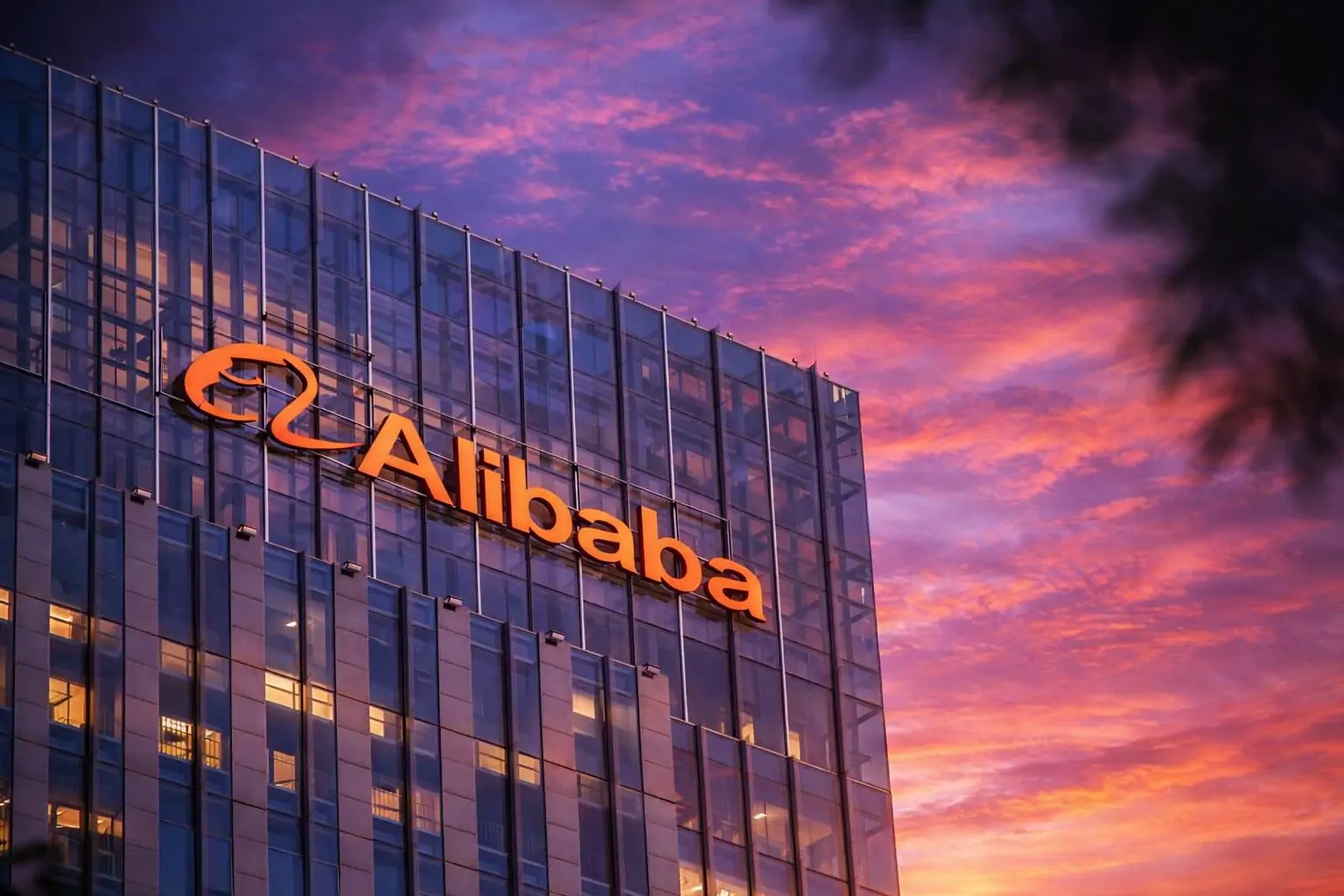
Alibaba Group Holding Ltd. (NYSE: BABA; HKEX: 9988) is set to navigate the U.S. trading session on December 26, 2025, against a backdrop of compelling AI-driven cloud advancements and ongoing hurdles in e-commerce price competition and geopolitical tensions. Investors are keenly focused on the most significant near-term catalysts, which are largely influenced by external headlines rather than internal financial metrics. Key aspects include U.S.-China chip policy dynamics, new regulations on platform pricing in China, and the global appetite for exposure to China’s AI sector amidst concerns of an overheated U.S. AI market.
The U.S. markets will operate as scheduled on December 26, following the Christmas holiday, with core trading on the NYSE running from 9:30 a.m. to 4:00 p.m. ET, and a pre-opening session beginning at 6:30 a.m. ET. In contrast, the Hong Kong Stock Exchange will remain closed on December 25 and 26, reopening on December 29. This lack of trading in Hong Kong means that the U.S.-listed American Depositary Receipts (ADRs) of Alibaba will serve as the primary barometer for market sentiment in the interim.
As of the early close on December 24, 2025, Alibaba’s stock was trading around $150, significantly below its 52-week high of approximately $192.67 reached on October 2, 2025. The recent trading volume has been lower than its 50-day average, indicating that while there have been moments of optimism, investor conviction remains inconsistent. This positions the stock in a valuation debate, with multiple catalysts poised to influence sentiment rapidly.
A pivotal catalyst for Alibaba is the U.S. government’s recent decision to allow exports of Nvidia’s H200, a sophisticated AI chip, to China, albeit with a 25% fee attached. This development is crucial for Alibaba as it faces industry-wide compute constraints that challenge cloud and AI growth. Access to these advanced GPUs would facilitate faster model training, enhance scalability, and improve the competitive landscape of Alibaba’s cloud offerings.
Reports indicate that Alibaba and its competitor, ByteDance, are exploring the possibility of purchasing H200 chips, but concerns about supply limitations and regulatory approvals in China loom large. Nvidia aims to initiate shipments before the Lunar New Year in mid-February 2026, contingent on Chinese government approvals, which may include stipulations requiring domestic chip purchases alongside H200 acquisitions.
Investors will likely be alert to any news regarding licensing approvals, China’s procurement stance, shipment timelines, or new restrictions, which could lead to swift reactions in Alibaba’s stock price, given its heightened sensitivity to these developments.
On December 20, 2025, China’s cyberspace authority announced new regulations governing internet platform pricing practices, effective April 10, 2026. These rules prohibit platform operators from leveraging tactics such as inflated fees or search-ranking manipulation to coerce merchants into lowering prices. While this regulatory framework does not eliminate price competition, it is seen as a potential shift towards more rational competition in the market.
Alibaba’s recent financial performance underscores a contrasting narrative between its cloud and commerce segments. In the July-September 2025 quarter, Alibaba Cloud reported a revenue increase of 34%, driven by rising demand for AI capabilities. However, the overall revenue for Alibaba grew by only 5% year-over-year, with profits pressured by intense competition and price wars in the e-commerce sector.
Alibaba has committed to investing 380 billion yuan over three years into AI and cloud initiatives, with indications that this amount may need to grow in response to accelerating demand. The company also plans to fund growth through a $3.2 billion zero-coupon convertible bond, using the majority of proceeds to bolster its technological infrastructure and cloud services.
On the international front, Alibaba Cloud is actively expanding, with plans for new data centers in Brazil, France, and the Netherlands, among others. This global buildout is crucial for diversifying revenue sources and strengthening its competitive position in the international market.
Despite these advancements, geopolitical risks remain a significant concern for U.S. investors in Alibaba. Recent reports suggest that the Pentagon has proposed adding Alibaba to a list of companies that support China’s military, which could affect its reputation and investor confidence.
Analyst forecasts for Alibaba indicate a generally positive outlook, with price targets suggesting potential upside from the current trading levels. MarketBeat reports a consensus target of $194, while Investing.com lists an average 12-month target around $199. Analysts remain divided, with optimistic views focused on cloud and AI growth, while skeptics highlight ongoing risks from e-commerce competitive dynamics and regulatory challenges.
As the market approaches the opening bell on December 26, 2025, the attention will be on any new developments related to chip exports, platform regulations, and the overall sentiment towards Chinese AI investments. Alibaba’s ability to navigate these complexities while driving growth in its cloud offerings will be critical as it strives to regain investor confidence and reposition itself within the rapidly evolving tech landscape.
See also AI Revolutionizes Tax and Accounting: KPMG’s New Metrics and Key Insights for 2025
 AI Will Reshape Remote Work, DeepMind’s Shane Legg Warns of Job Disruption Ahead
 How the ‘Sparkle’ Symbol Shapes America’s Trust Issues with Generative AI
 IMF Urges Global Regulators to Strengthen AI Oversight Amid Rising Market Risks
 China’s DeepSeek Model Disrupts U.S. AI Dominance, Prompting Policy Shifts and Global Tech Backlash















