






















































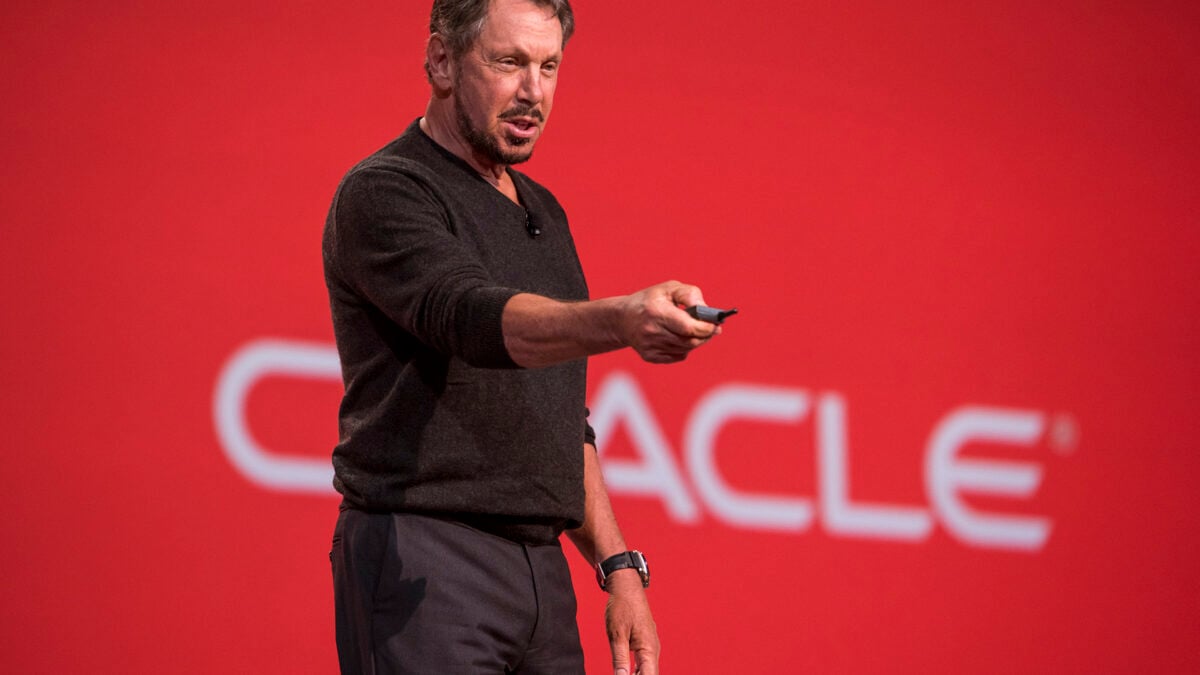
Oracle‘s stock is poised for its worst quarterly performance since the dot-com bubble burst in 2001, dropping approximately 30% this quarter after reaching a peak in September. This decline follows the company’s announcement of new data center projects linked to OpenAI, which initially buoyed investor confidence. However, Wall Street is now increasingly skeptical about the return on Oracle’s substantial investments in artificial intelligence (AI), particularly following delays in key projects and disappointing earnings results.
In September, Oracle shares hit an all-time high when the company unveiled plans to develop additional data centers as part of OpenAI’s ambitious Stargate initiative. This project aims to expand data processing capabilities to nearly 7 gigawatts and involves over $400 billion in investments over the next three years, with Oracle developing three of the data centers. The Stargate project was first revealed in January, during a press conference at the White House attended by Oracle’s executive chairman and chief technology officer, Larry Ellison.
However, a report earlier this month from Bloomberg indicated that Oracle is postponing some of its Stargate-related data center projects by at least a year due to labor and material shortages. This news triggered a sell-off in the company’s stock, compounding existing investor concerns. Furthermore, Oracle’s latest earnings report, released at the end of November, revealed weaker-than-expected revenue alongside a surge in capital expenditures, which further unsettled the market.
During the earnings call, Oracle’s finance chief, Doug Kehring, stated that the company anticipates capital expenditures of $50 billion in fiscal year 2026, nearly double the amount spent the previous year. To support these costly endeavors, Oracle raised $18 billion in a bond sale in September, significantly increasing its overall debt burden. The ambitious revenue target of $225 billion by fiscal year 2030, compared to $57 billion in 2025, relies heavily on AI infrastructure, but the delays raise questions about the feasibility of achieving this goal.
Adding to the challenges, Oracle’s core software business is beginning to show signs of strain, with software revenue declining 3% to $5.88 billion in the third quarter. As the company continues to invest heavily in AI, the pressure mounts from both rising debt and an impatient investor base. The once-promising outlook for Oracle’s AI ambitions is now being scrutinized more closely.
Despite the current difficulties, Oracle remains committed to its AI investments, betting that these expenditures will yield significant returns in the future. However, with project delays, increasing debt levels, and a growing sense of urgency among investors, Oracle’s strategic gamble is starting to appear riskier than in recent months. As the tech landscape evolves and competition intensifies, how Oracle navigates this pivotal period will be crucial in determining its long-term growth trajectory.
See also Cut Financial Risks: Avoid SoundHound, BigBear.ai, and Pony.ai for Retirement Savings
 Adobe Partners with Runway to Launch Gen-4.5 AI Video Tools for Creatives
 Nvidia Strengthens AI Inference with Groq Deal as Big Tech Faces 2026 Profitability Pressures
 Alphabet’s GOOG Near $315 After $4.75B AI Deal Amid Antitrust Pressures Shaping 2026
 Microsoft Reports $35B AI Capex, Azure Revenue Up 40% Amid Investor Debate














